The human question
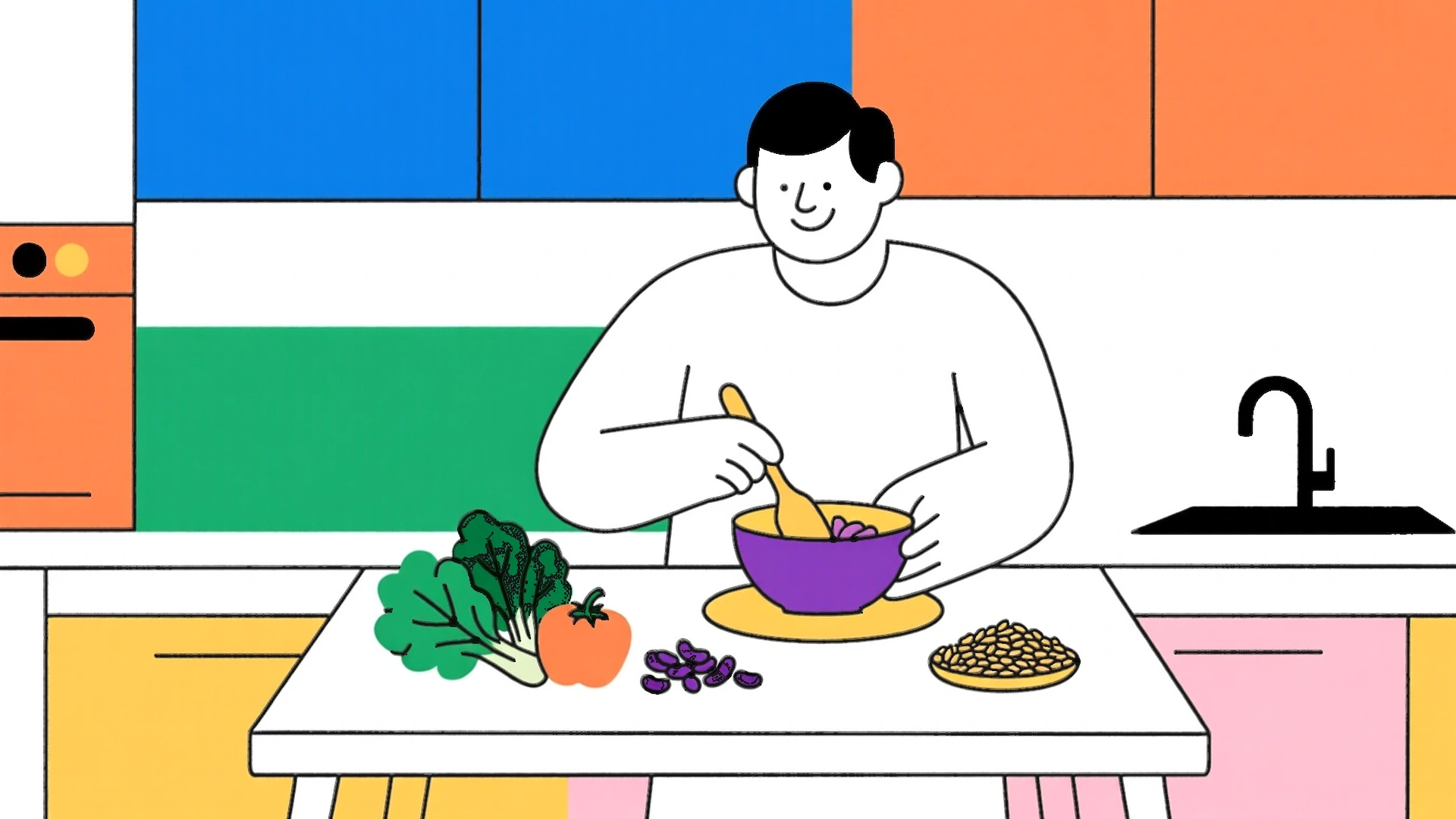
The hardest part of ‘healthy eating’ is often not knowing that vegetables are useful. It is translating broad advice into a plate that fits culture, appetite, budget, time and pleasure. A gentler approach begins with addition: give vegetables, fruit, pulses and whole grains more room, include a satisfying protein or staple, and keep foods you genuinely enjoy. A useful health story separates the outcome people care about from the proxy that is easiest to count. Rules and scores can support observation, but they should not become moral judgments.
What the evidence says
The World Health Organization describes adequacy, balance, moderation and diversity as core principles. That is a pattern, not a universal diagram. Trials of dietary patterns can test outcomes, but they rarely prove that one ingredient works alone. Observational studies can identify useful long-term patterns while remaining vulnerable to income, healthcare access and other confounding factors. We look for convergence across authoritative guidance, trials and systematic reviews rather than presenting one new paper as a final answer. Population, comparison group, duration, absolute effect and harms all shape what a finding can honestly mean.
A gentle experiment
Choose one meal you already eat and add one element rather than rebuilding it: beans beside rice, frozen vegetables in noodles, fruit with breakfast, or nuts on a snack. Frozen and canned foods can count; compare added sugar and sodium when that matters. The useful plate is the one you can afford and repeat. Decide what success would look like in ordinary life, test the smallest viable version and notice both benefit and friction. Culture, cost, disability, caregiving and food or movement access are part of the intervention, not side notes.
Where the advice changes
Allergies, kidney disease, diabetes, digestive disorders, pregnancy and eating-disorder recovery can change both nutrients and timing. A dietitian can adapt evidence without erasing culture or turning meals into a compliance test. New, severe, rapidly worsening or function-limiting symptoms deserve assessment. Online education cannot examine, diagnose or monitor an individual, and it should not silently replace prescribed care.
What real life requires
A composite real-life example: a caregiver with ten minutes to cook may benefit more from canned beans, frozen greens and familiar bread than from an aspirational recipe with twelve ingredients. This is not a testimonial or prescription; it illustrates why access belongs inside nutrition advice. Sustainable care often looks visually unimpressive: repeating an easier option, using an aid, resting before exhaustion, asking for clarification or returning after a disrupted week. That is not a lesser version of health; it is how evidence becomes usable.