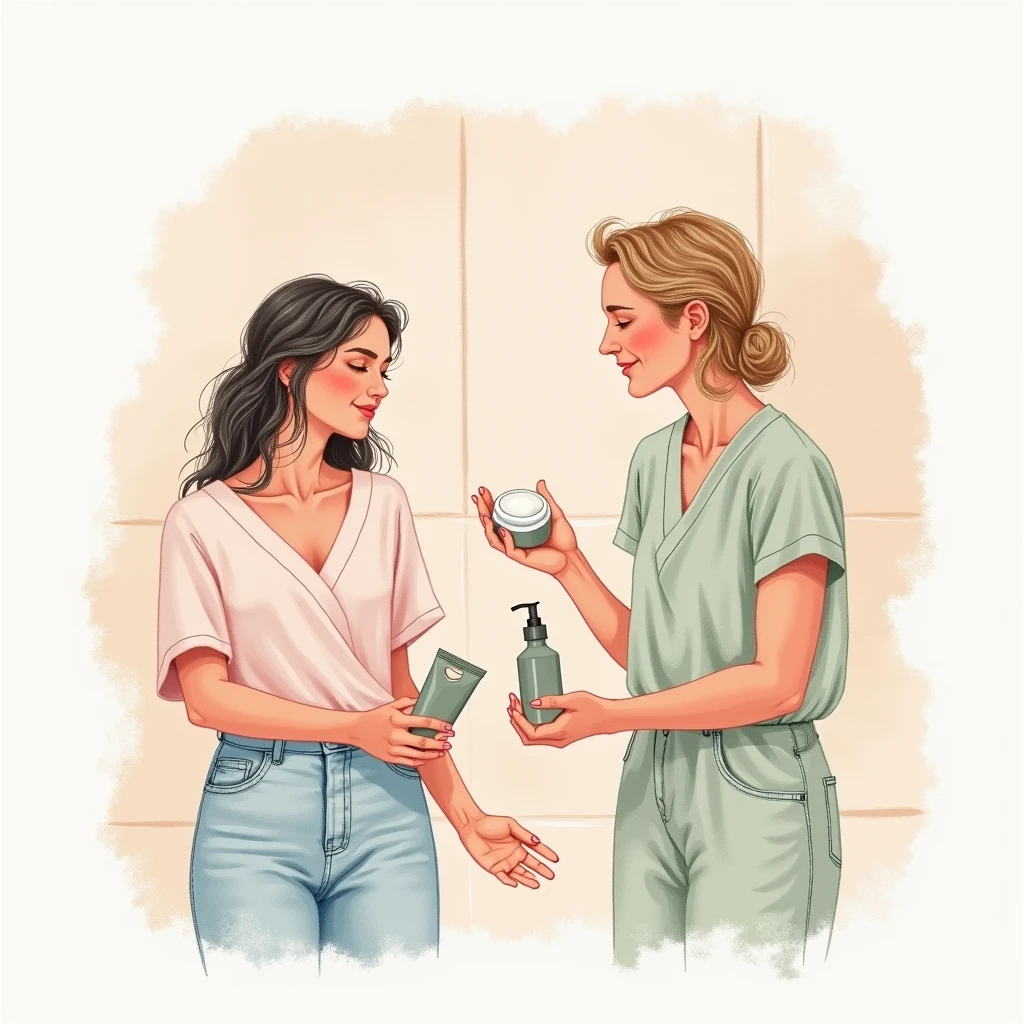
The human question
Eczema is an inflammatory condition, not poor hygiene; fragrance and over-washing can worsen a damaged barrier. The useful question is not whether a health idea sounds impressive, but whether it helps a real person make a safer decision. Culture, disability, cost, care access, medication and the demands of an ordinary week all change what is practical.
What the evidence says
Regular moisturization and trigger reduction can help, while flares may need prescribed anti-inflammatory treatment. That distinction matters because a population average is not a personal forecast. Study design, follow-up, absolute benefit, harms and who was excluded deserve as much attention as a headline result.
A gentle experiment
A gentle experiment: Apply a plain moisturizer after a short lukewarm wash. Decide what you will observe before you start, keep the experiment small, and do not confuse discomfort with virtue. A repeatable step usually teaches more than an ambitious plan abandoned after one difficult day.
Where the advice changes
Where the advice changes: Spreading redness, warmth, pus, fever or painful blisters may signal infection. Symptoms, medicines, pregnancy, disability, eating-disorder history and chronic conditions can all change the safest route. Online education cannot examine or diagnose an individual.
What real life requires
Real life rarely follows a clean before-and-after arc. Improvement may mean fewer hard days, more confidence, a better question for a clinician or the ability to return after a setback. Adaptation is part of good care, not evidence that you failed the plan.