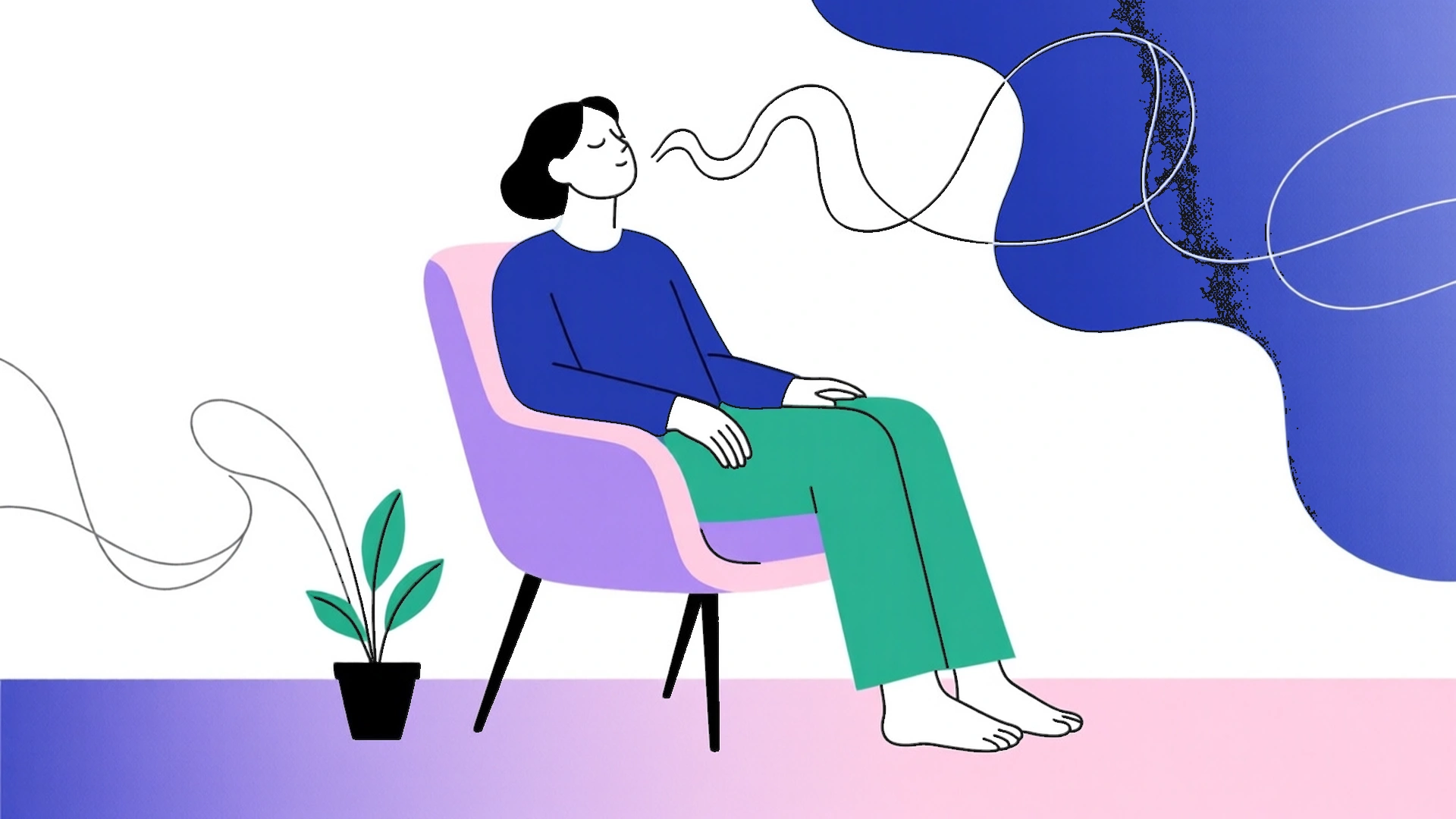
The human question
Meditation is often sold as instant calm. In practice it may involve boredom, wandering, emotion or discomfort. Attention can return to breathing, sound, sensation, an image or a phrase; noticing that the mind wandered is not failure but the basic repetition. A useful health story separates the outcome people care about from the proxy that is easiest to count. Rules and scores can support observation, but they should not become moral judgments.
What the evidence says
Mindfulness programs show small-to-moderate benefits for some symptoms and populations, with wide variation in study quality, instructors and comparison conditions. Research also documents adverse experiences. The evidence supports an option - not a mandate or replacement for mental-health treatment. We look for convergence across authoritative guidance, trials and systematic reviews rather than presenting one new paper as a final answer. Population, comparison group, duration, absolute effect and harms all shape what a finding can honestly mean.
A gentle experiment
Try two comfortable minutes with eyes open if preferred. Use a chair, a slow walk or ordinary background sound. End while the practice still feels manageable and ask a practical question: do I feel more able to meet the next moment? Decide what success would look like in ordinary life, test the smallest viable version and notice both benefit and friction. Culture, cost, disability, caregiving and food or movement access are part of the intervention, not side notes.
Where the advice changes
Stop if breath focus causes panic, dissociation or escalating distress. Trauma-sensitive instruction, movement-based attention or professional support may be more appropriate. Anyone in crisis needs direct care rather than a meditation assignment. New, severe, rapidly worsening or function-limiting symptoms deserve assessment. Online education cannot examine, diagnose or monitor an individual, and it should not silently replace prescribed care.
What real life requires
For a parent, shift worker or person in pain, practice may be thirty seconds of feeling both feet before answering a difficult message. Small, consent-based attention is still practice; serenity is not the admission price. Sustainable care often looks visually unimpressive: repeating an easier option, using an aid, resting before exhaustion, asking for clarification or returning after a disrupted week. That is not a lesser version of health; it is how evidence becomes usable.