The human question
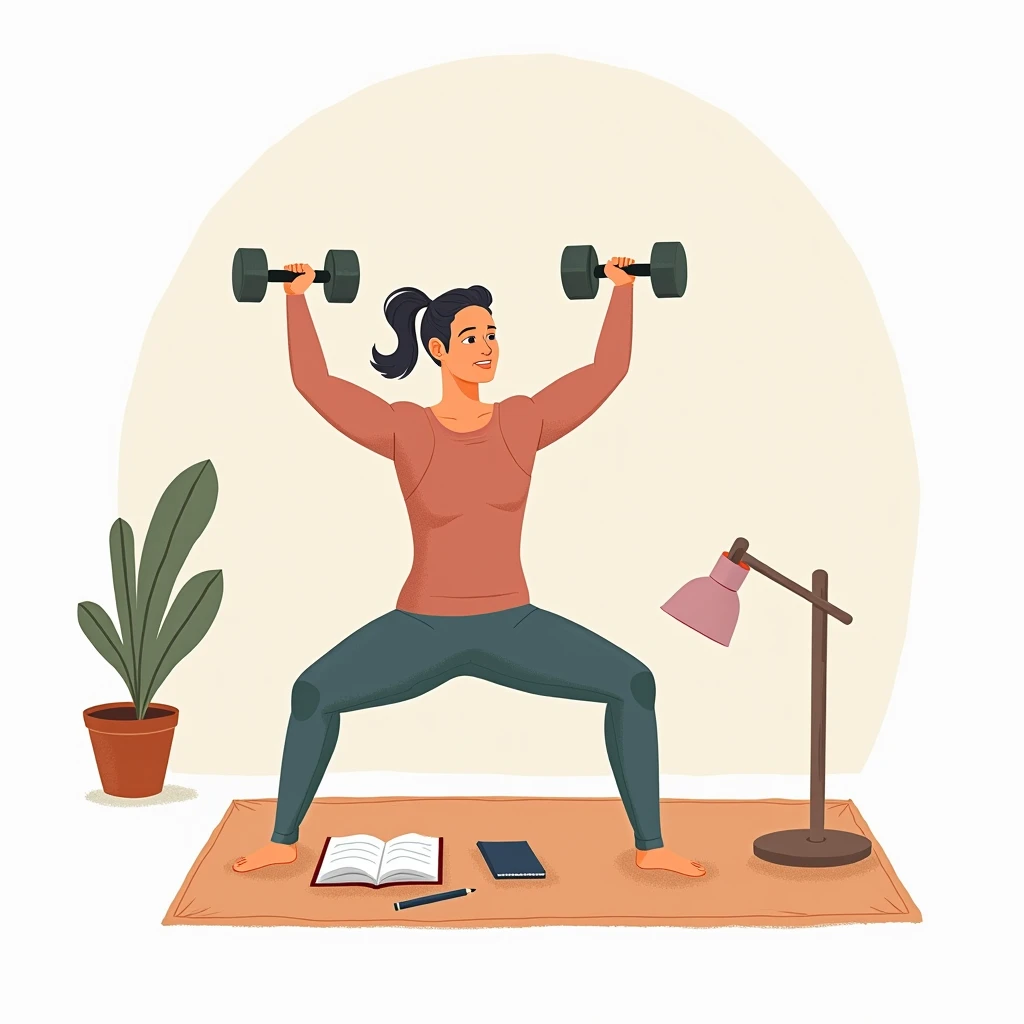
Muscle adapts when training gradually becomes more demanding, but load is only one lever. The useful question is not whether a health idea sounds impressive, but whether it helps a real person make a safer decision. Culture, disability, cost, care access, medication and the demands of an ordinary week all change what is practical.
What the evidence says
Adults benefit from muscle-strengthening activity; repetitions, range, tempo and frequency can progress before heavy weight. That distinction matters because a population average is not a personal forecast. Study design, follow-up, absolute benefit, harms and who was excluded deserve as much attention as a headline result.
A gentle experiment
A gentle experiment: Add one repetition to one exercise this week. Decide what you will observe before you start, keep the experiment small, and do not confuse discomfort with virtue. A repeatable step usually teaches more than an ambitious plan abandoned after one difficult day.
Where the advice changes
Where the advice changes: Persistent joint pain, chest symptoms or neurologic symptoms are reasons to pause and assess. Symptoms, medicines, pregnancy, disability, eating-disorder history and chronic conditions can all change the safest route. Online education cannot examine or diagnose an individual.
What real life requires
Real life rarely follows a clean before-and-after arc. Improvement may mean fewer hard days, more confidence, a better question for a clinician or the ability to return after a setback. Adaptation is part of good care, not evidence that you failed the plan.