The human question
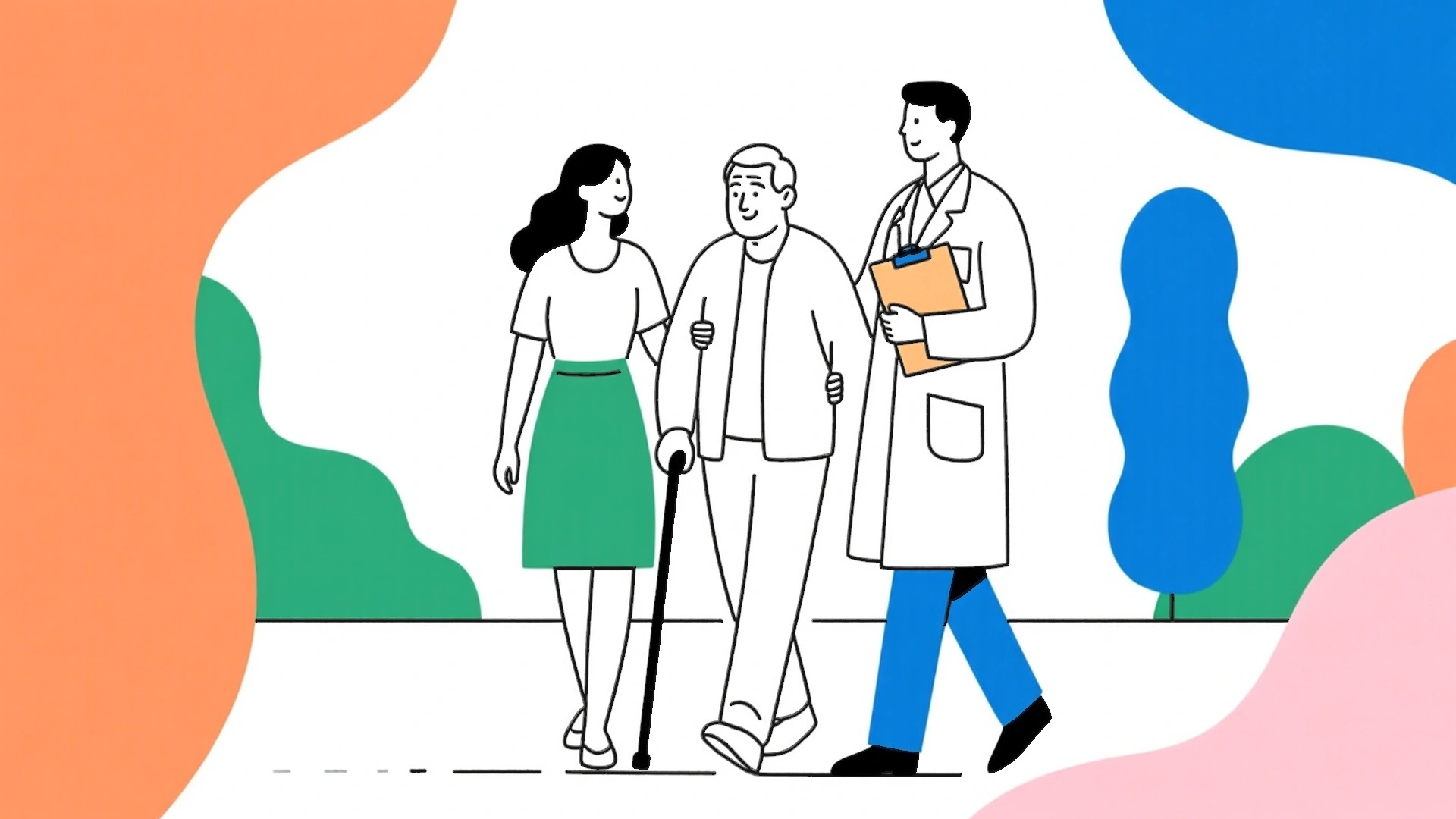
A recovery story can offer companionship, language and hope. It cannot predict another person’s outcome. Responsible storytelling holds courage alongside diagnosis, treatment, rehabilitation, family support, money, access and chance. A useful health story separates the outcome people care about from the proxy that is easiest to count. Rules and scores can support observation, but they should not become moral judgments.
What the evidence says
Anecdotes are powerful because they are concrete, but they cannot establish that a food, supplement, attitude or practice caused recovery. Clinical evidence asks different questions across many people and must account for comparison groups, natural disease course and harms. Both forms of knowledge matter when their roles stay clear. We look for convergence across authoritative guidance, trials and systematic reviews rather than presenting one new paper as a final answer. Population, comparison group, duration, absolute effect and harms all shape what a finding can honestly mean.
A gentle experiment
When reading a story, ask what diagnosis was confirmed, which standard treatments were used, what remains uncertain, and whether the person is selling the intervention credited with success. Look for outcome details and time - not only a dramatic before and after. Decide what success would look like in ordinary life, test the smallest viable version and notice both benefit and friction. Culture, cost, disability, caregiving and food or movement access are part of the intervention, not side notes.
Where the advice changes
Livgently will seek informed consent, allow boundaries, name evidence-based care and avoid blaming people whose illness persists. We will not fabricate testimonials. Composite scenarios will always be labeled, and sponsorship cannot purchase a clinical conclusion. New, severe, rapidly worsening or function-limiting symptoms deserve assessment. Online education cannot examine, diagnose or monitor an individual, and it should not silently replace prescribed care.
What real life requires
The most valuable question is rarely ‘What miracle did this person discover?’ It is ‘What helped this person endure, adapt and make informed decisions?’ Hope becomes more trustworthy when it includes the whole system around a life. Sustainable care often looks visually unimpressive: repeating an easier option, using an aid, resting before exhaustion, asking for clarification or returning after a disrupted week. That is not a lesser version of health; it is how evidence becomes usable.