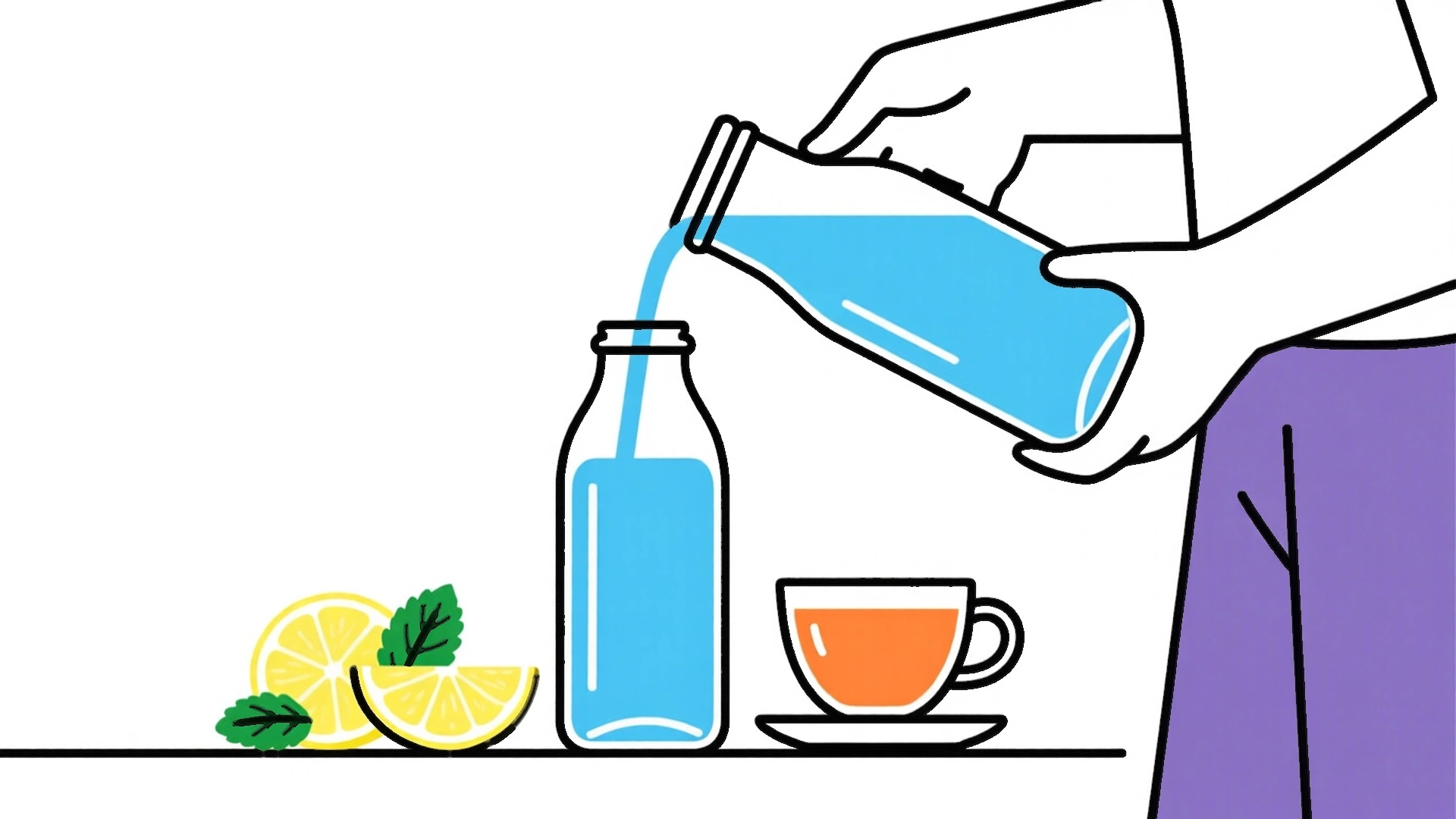
 Hydration
What Should You Drink Most Days?
By Livgently Editors
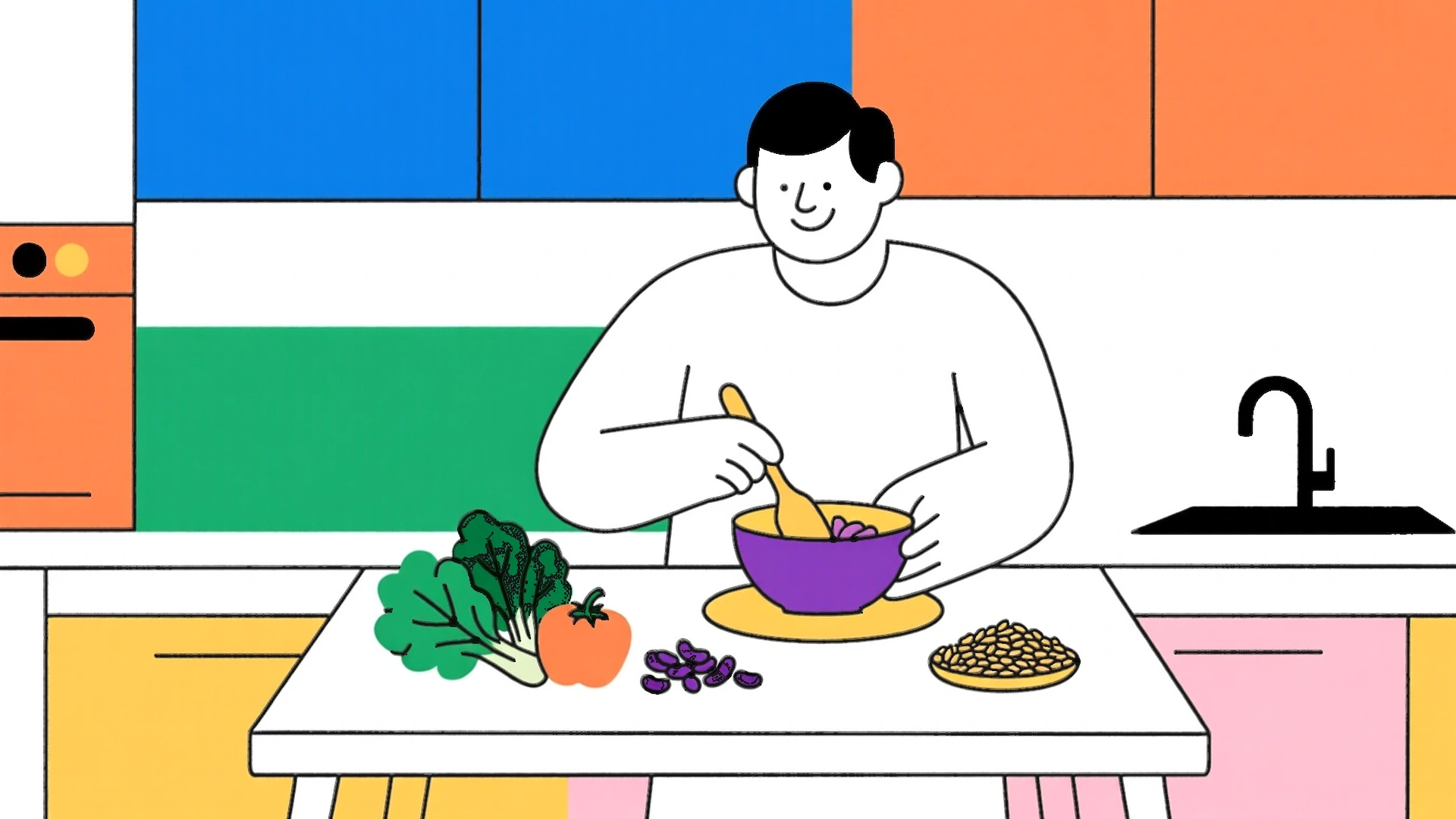
A colorful, flexible way to add variety, fibre and satisfying foods without turning meals into a test.
Read the story →READ
FoodA colorful, flexible way to add variety, fibre and satisfying foods without turning meals into a test.
HydrationWater is the dependable default. Here is where tea, coffee, milk and juice can fit without hydration mythology.
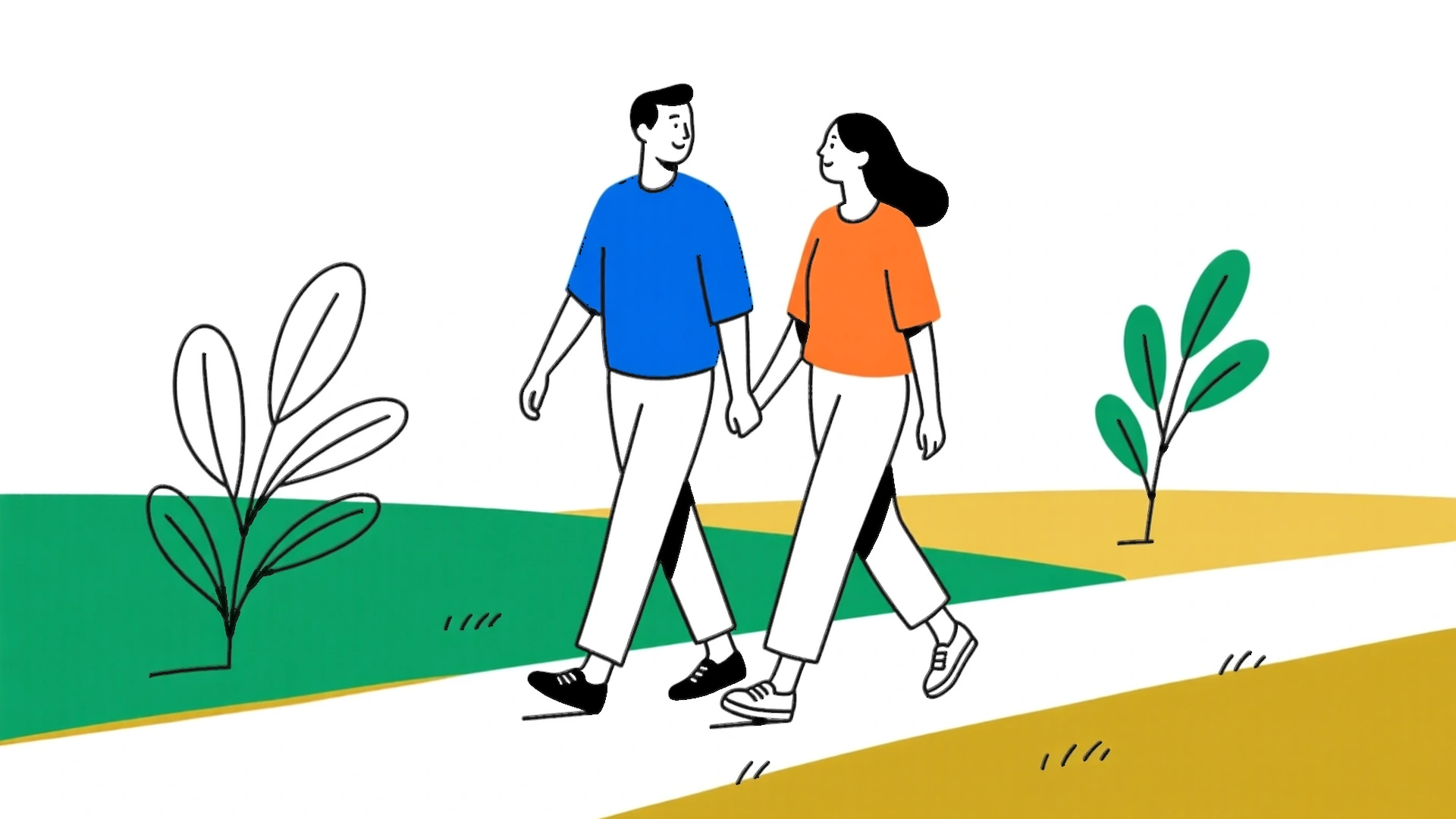 Movement
A compassionate starting point for aerobic activity: manageable minutes, conversational effort and gradual progress.
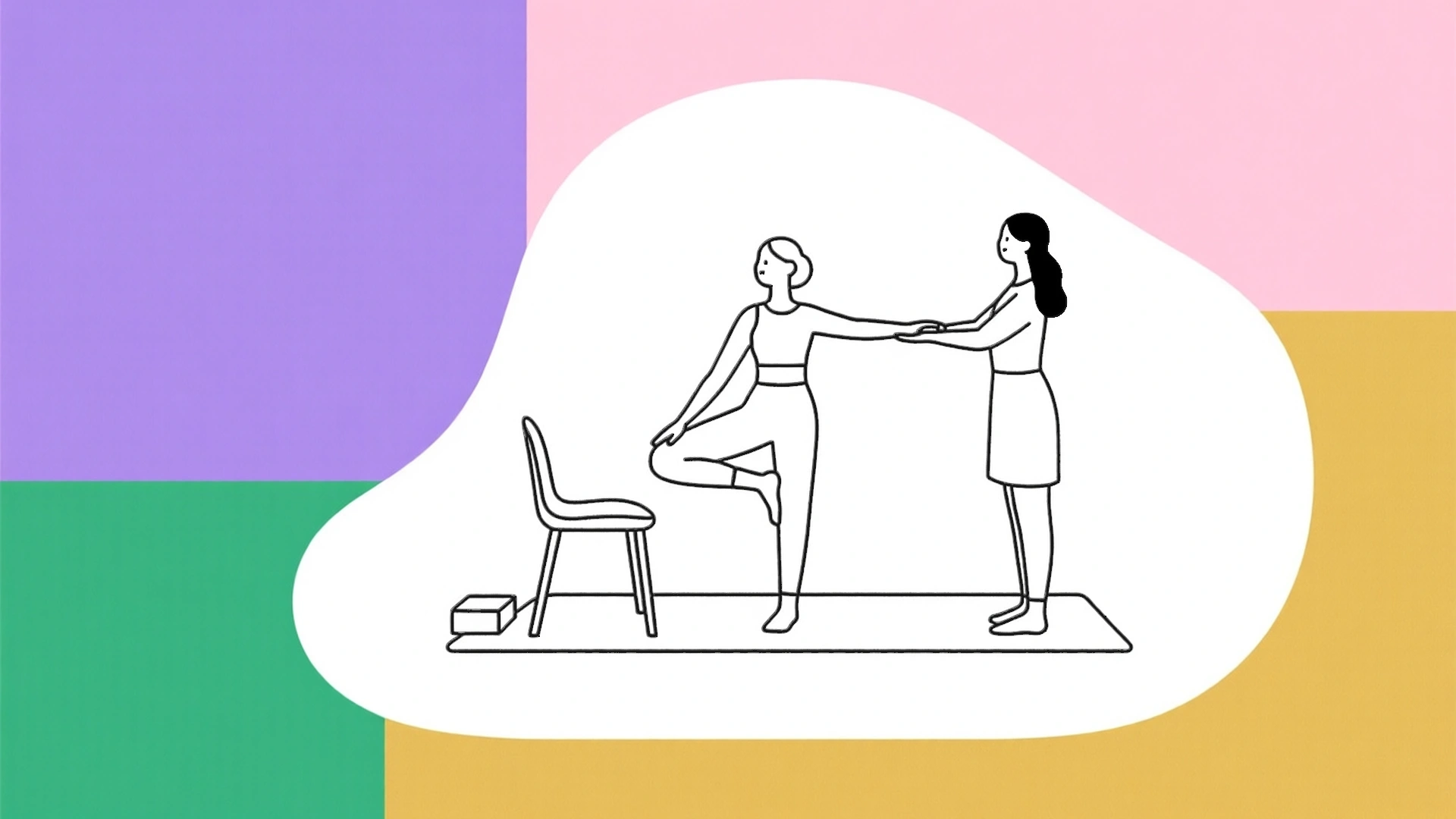 Yoga
YogaChoose a qualified teacher, skip extreme poses and let modification be part of the practice - not a failure.
 Meditation
Attention can be practiced without pretending every session is peaceful - or ignoring when a practice feels worse.
 Recovery Stories
Personal courage matters. So do treatment, access, uncertainty and the difference between inspiration and medical evidence.
 Food
FoodFiber supports bowel function and is associated with better cardiometabolic health, but a sudden increase can cause bloating. Variety and gradual change matter more than chasing a perfect number.
 Food
FoodProtein supports tissue repair and muscle, while source, total diet and kidney health shape what is appropriate. More is not automatically better.
 Food
FoodProcessing is a spectrum. Population studies link high intake of many ultra-processed products with poorer outcomes, but the category also combines foods with very different nutrition and functions.
 Food
FoodThe strongest evidence concerns an overall pattern rich in plants, legumes, whole grains, nuts and unsaturated fats - not one imported meal plan.
 Food
FoodFermented foods may contain live microbes, but not every fermented product is a probiotic and benefits are strain- and product-specific.
 Food
FoodLabels help compare serving size, sodium, added sugars, fiber and nutrients. They cannot summarize culture, pleasure, affordability or an entire eating pattern.
 Food
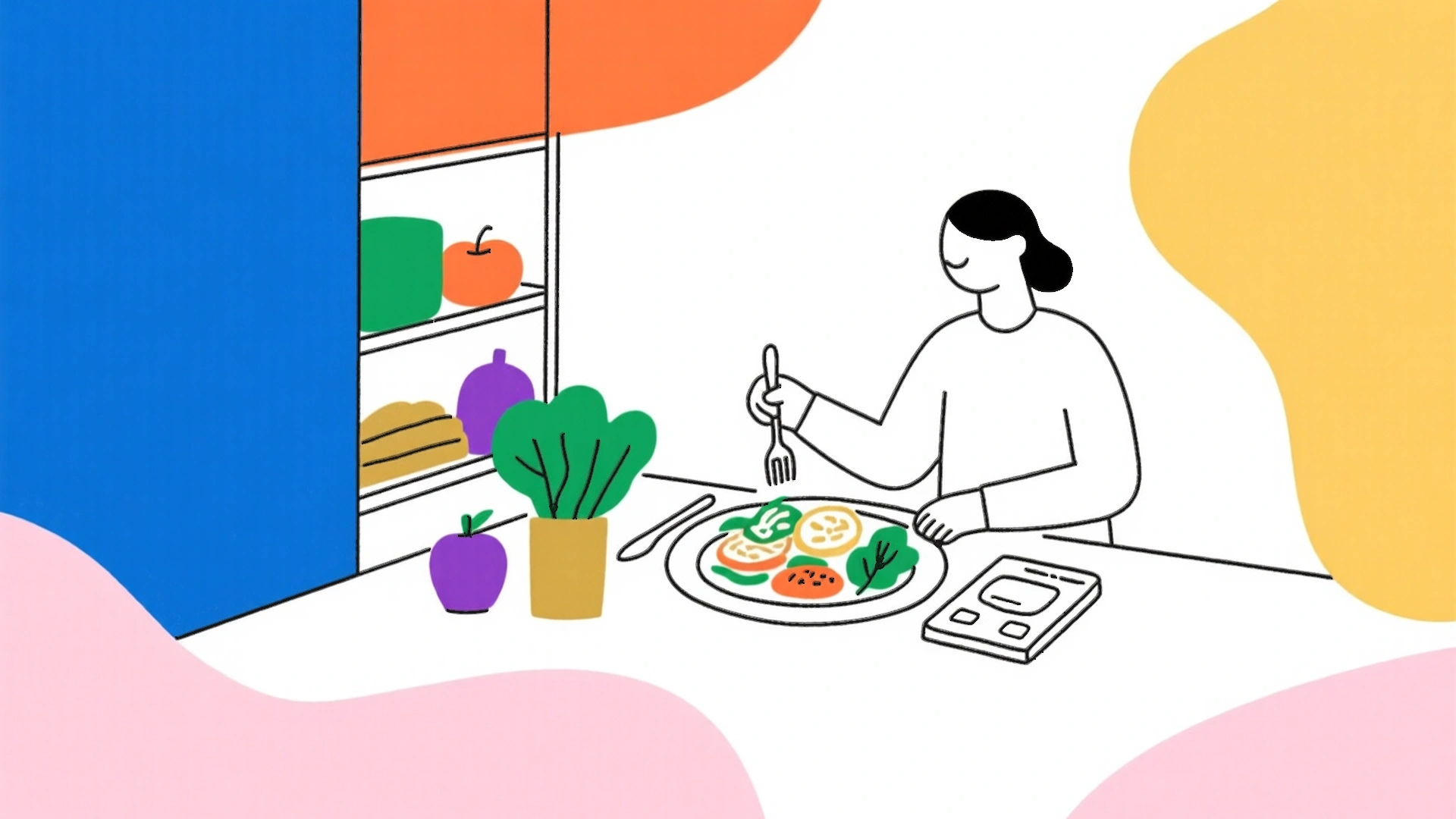
FoodNutritious eating can cost more in some settings, yet frozen produce, dried or canned legumes, eggs and staple grains can reduce waste and cost per serving.
 Food
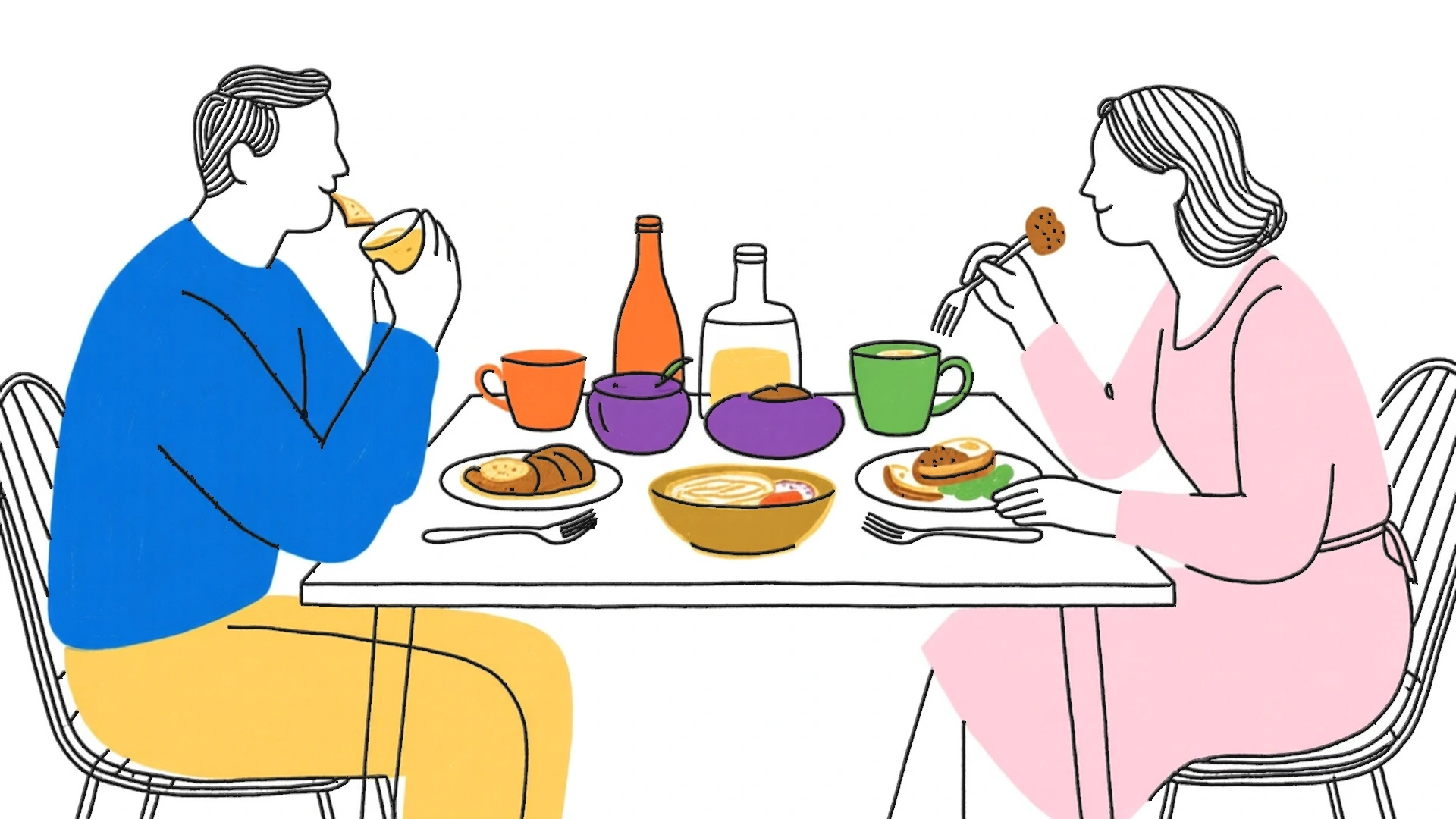
FoodBreakfast can help some people meet nutrition or energy needs, but evidence does not support a universal rule that everyone must eat immediately after waking.
 Sleep
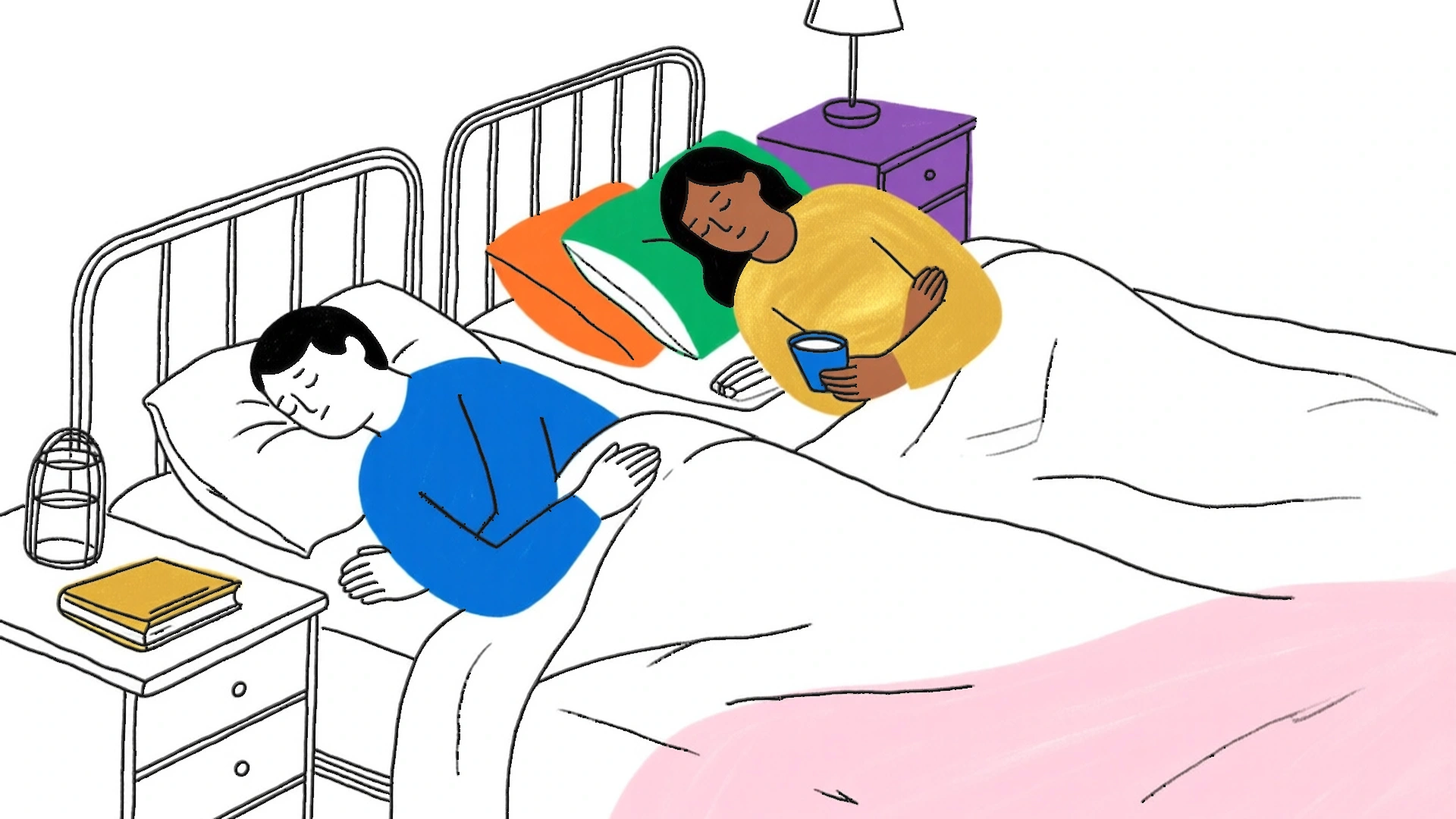
SleepSleep duration matters, and growing evidence suggests regular timing matters too. A stable wake time can anchor circadian rhythms even when bedtime varies.
 Sleep
SleepInsomnia often involves learned arousal and worry, not a lack of effort. Cognitive behavioral therapy for insomnia has stronger evidence than generic sleep-hygiene lists alone.
 Sleep
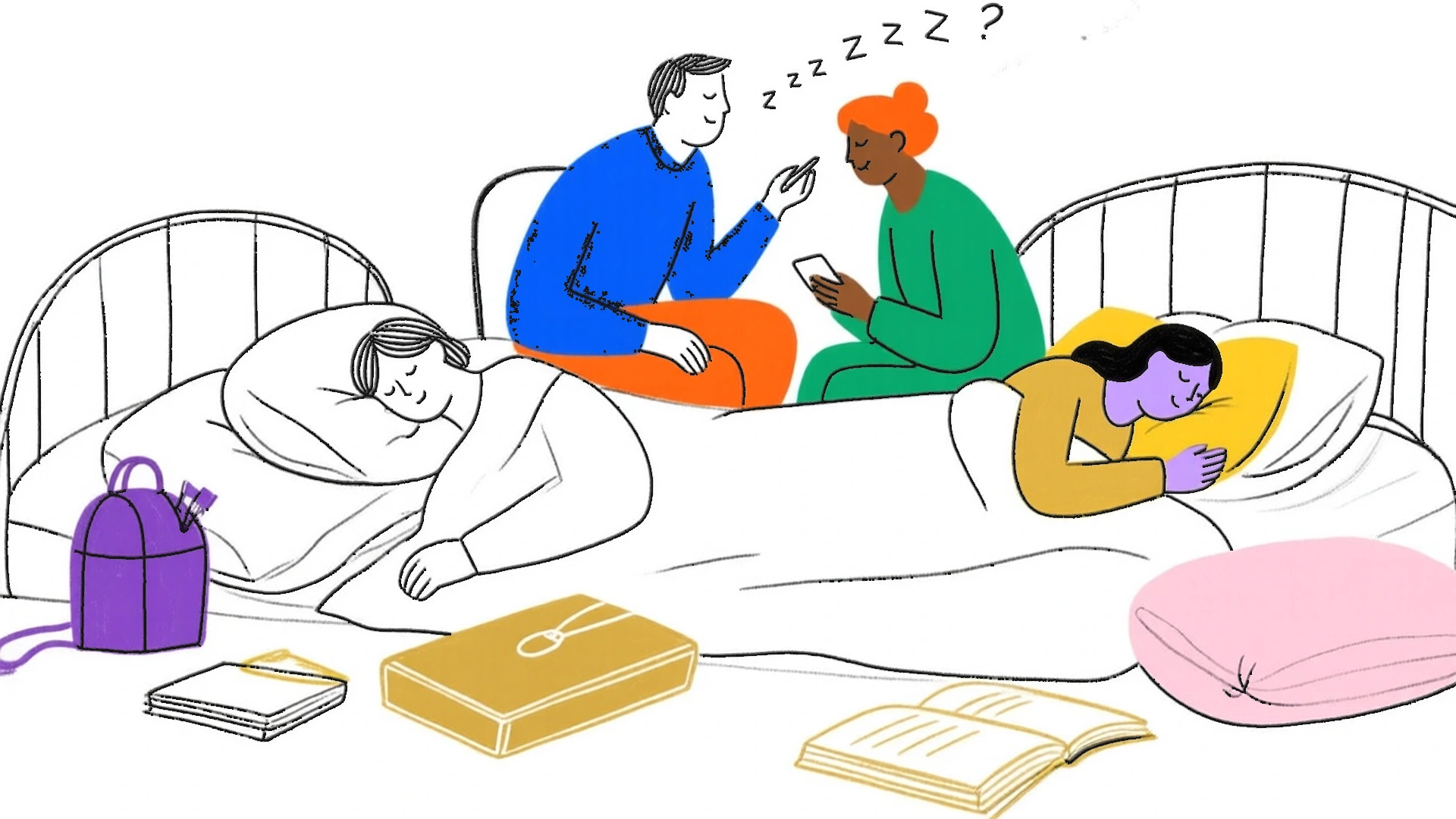
SleepShort naps can restore alertness, while long or late naps may reduce sleep pressure and make nighttime sleep harder for some people.
 Sleep
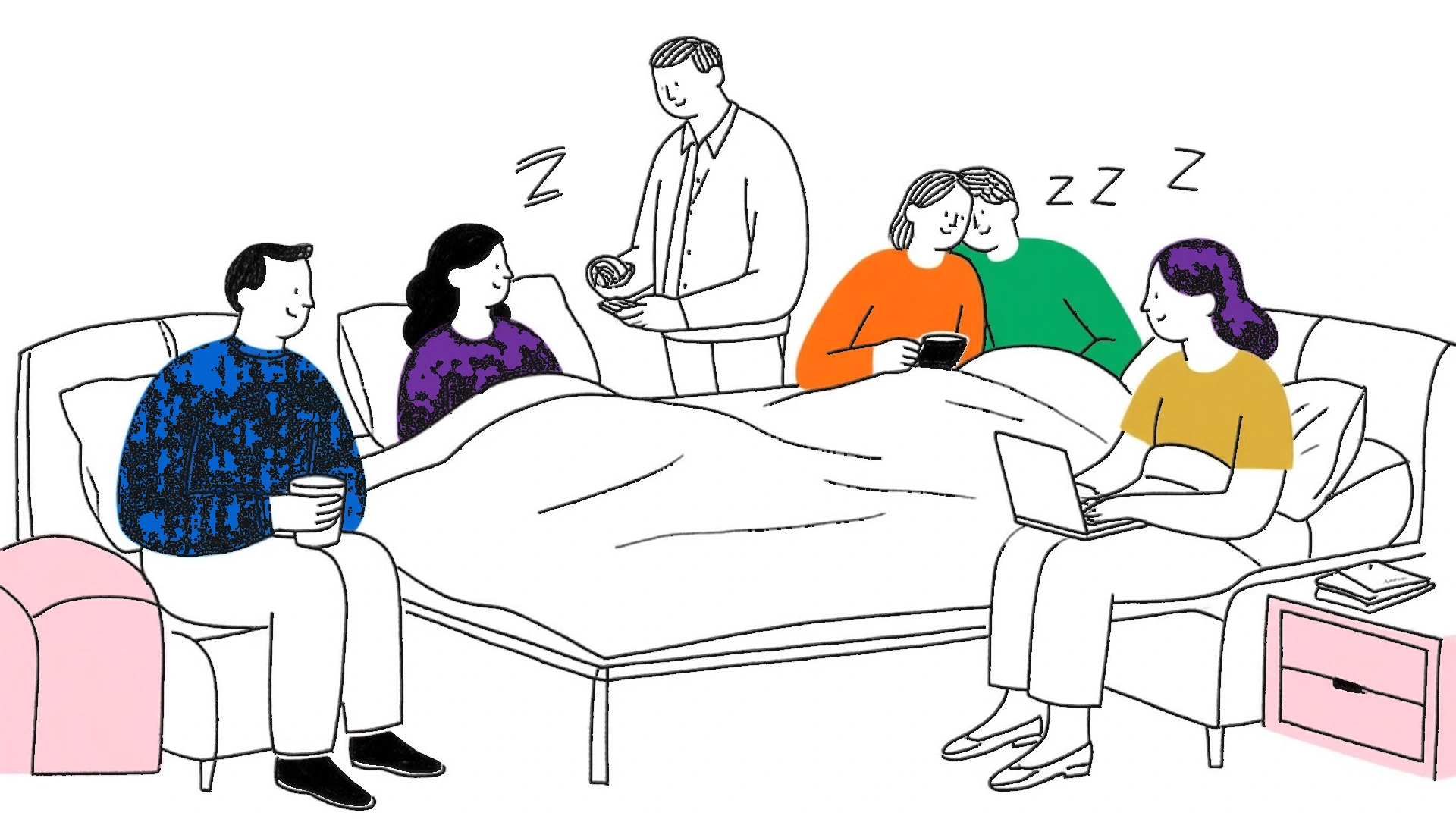
SleepConsumer devices estimate sleep from movement and heart-rate signals; they are better for trends than diagnosing stages or disorders.
 Sleep
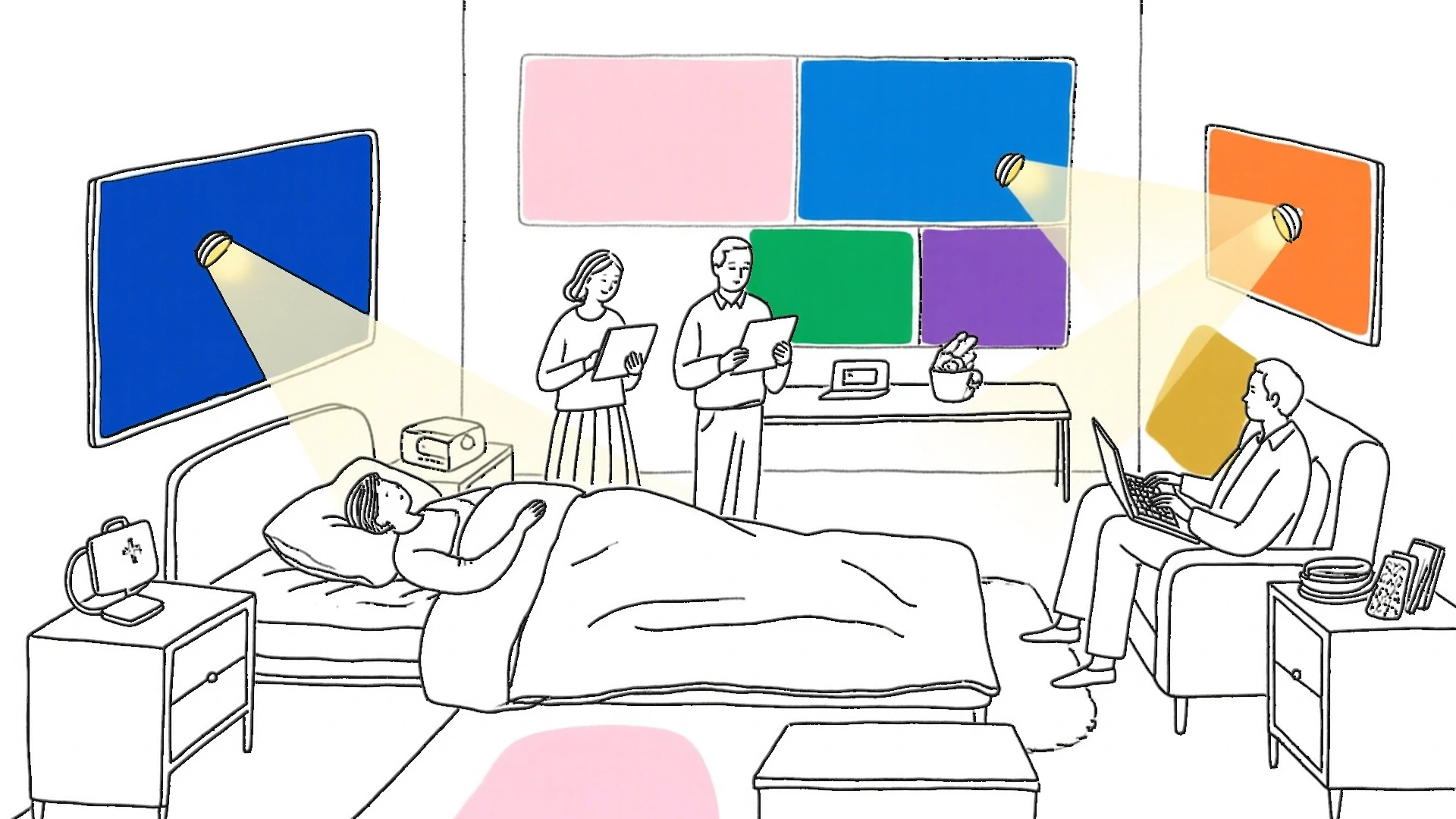
SleepEvening light can delay circadian timing, but stimulating content, work and lost time can matter as much as blue wavelengths.
 Sleep
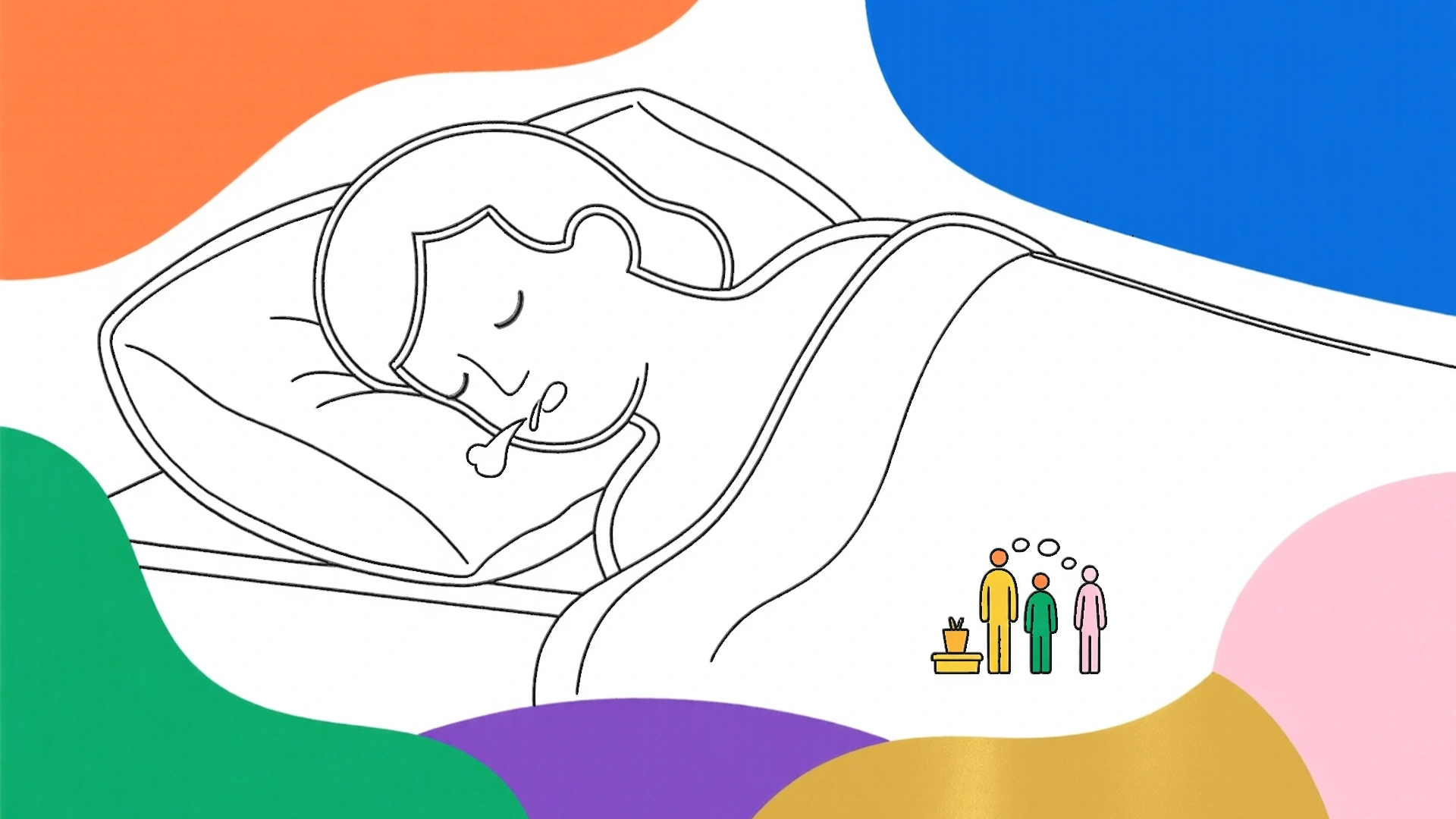
SleepLoud snoring with pauses, gasping, morning headaches or daytime sleepiness can point to obstructive sleep apnea, which is treatable.
 Sleep
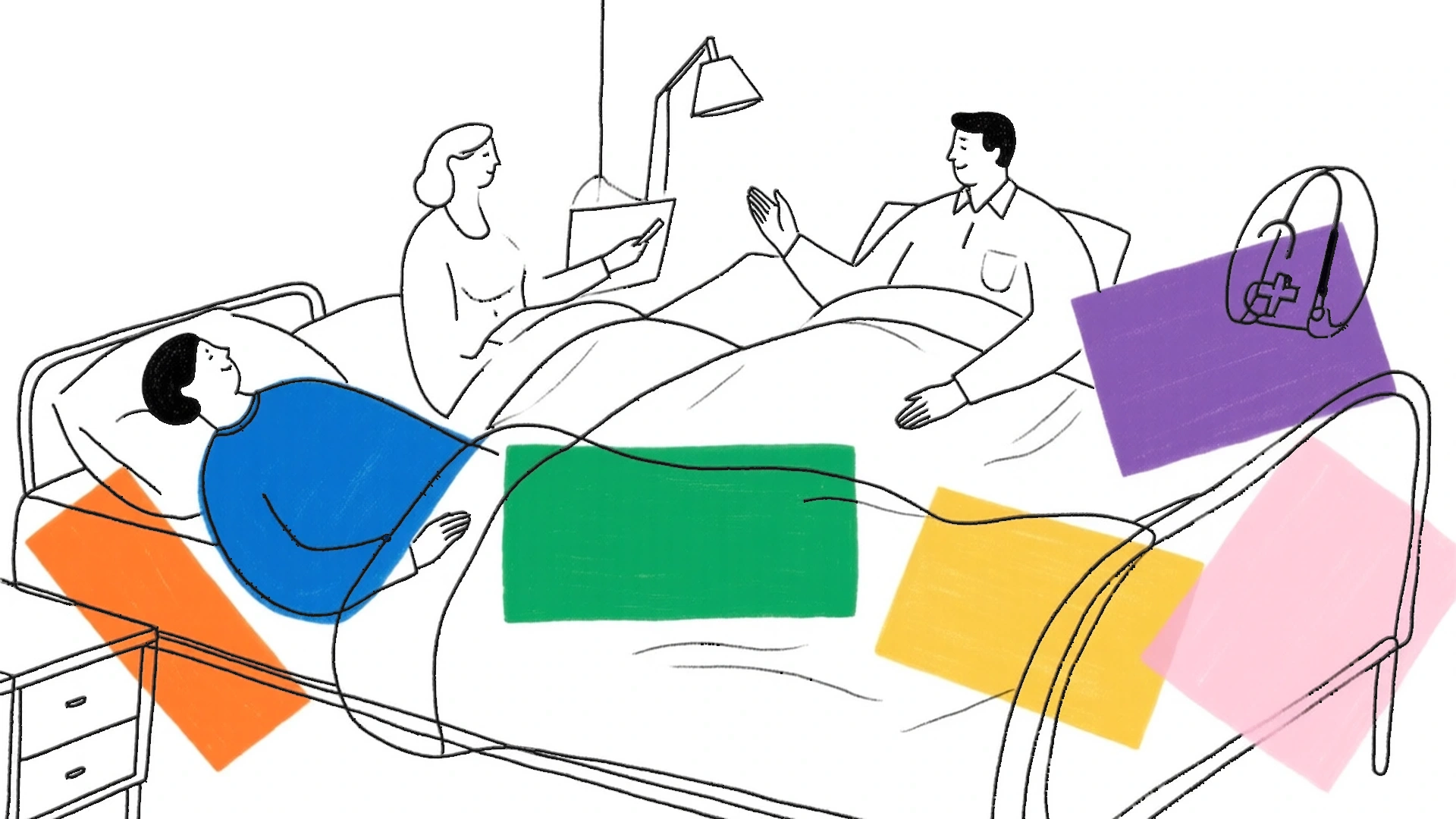
SleepExtra sleep may improve alertness after a short week, but it does not reliably erase every metabolic, mood or safety effect of chronic sleep restriction.
 Movement
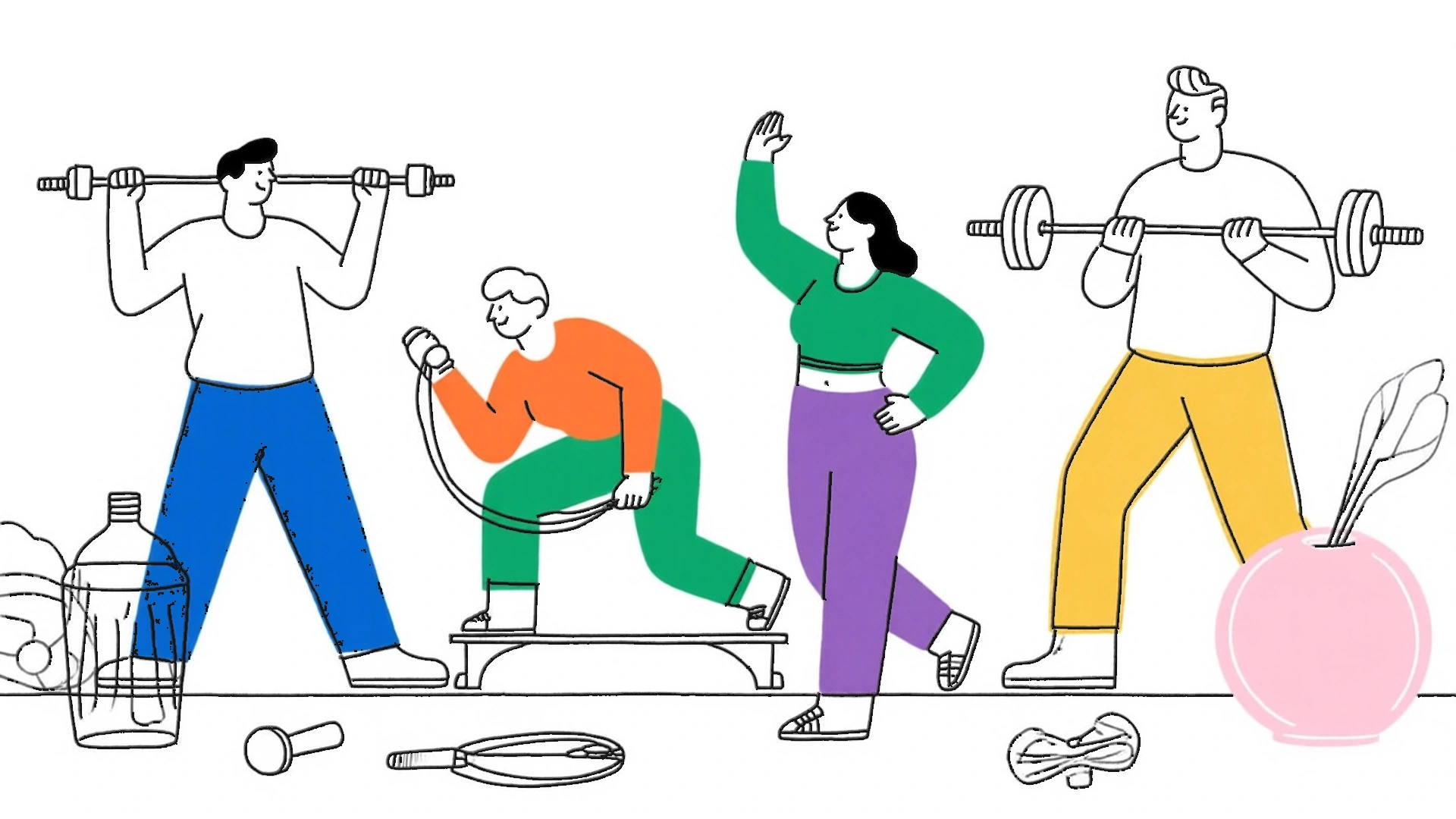
Progressive resistance training supports strength, function, bone and metabolic health across adulthood. It can begin with modest loads and simple movements.
 Movement
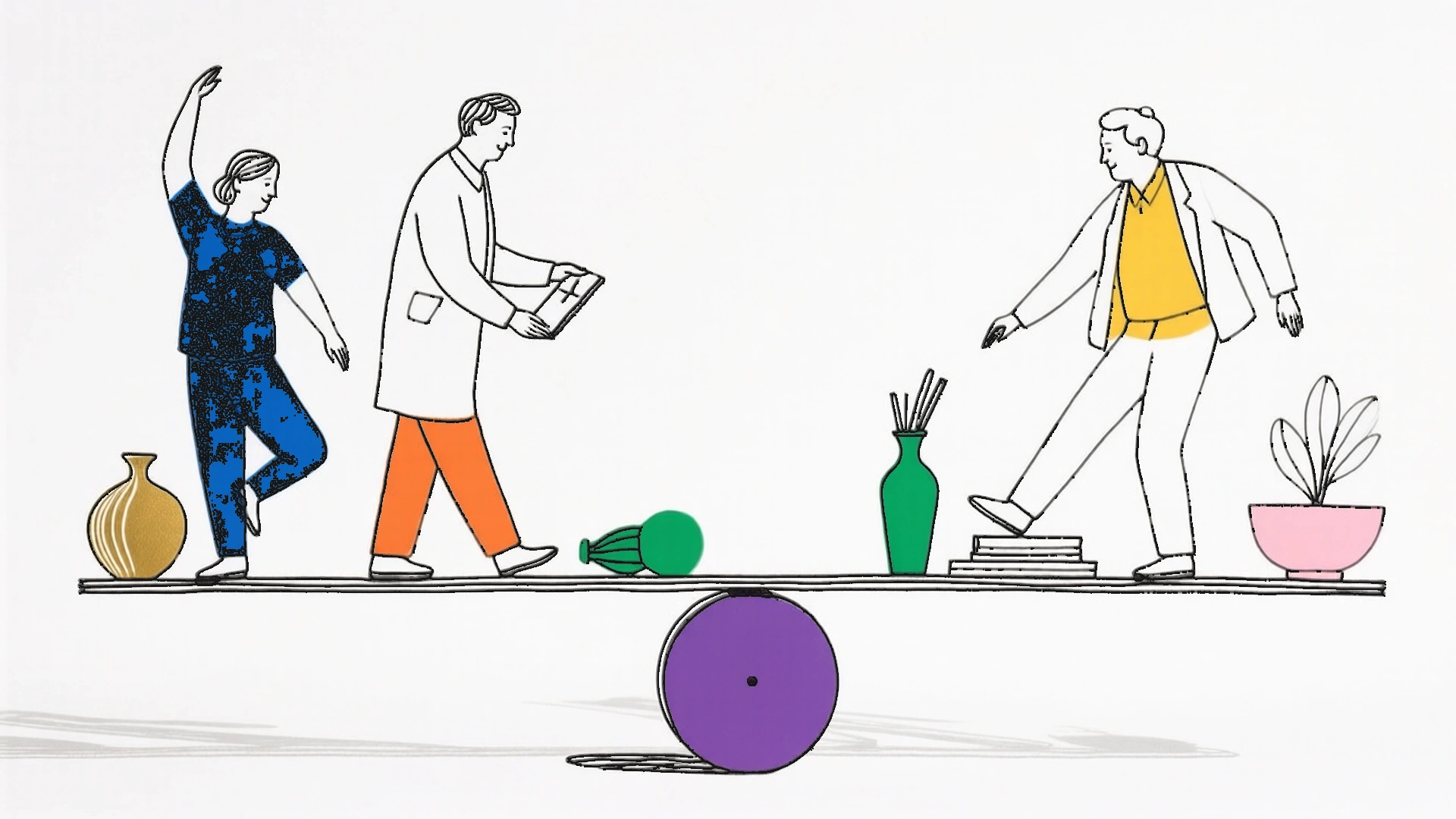
Balance practice can reduce falls when it is sufficiently challenging and repeated, especially when combined with strength work.
 Movement
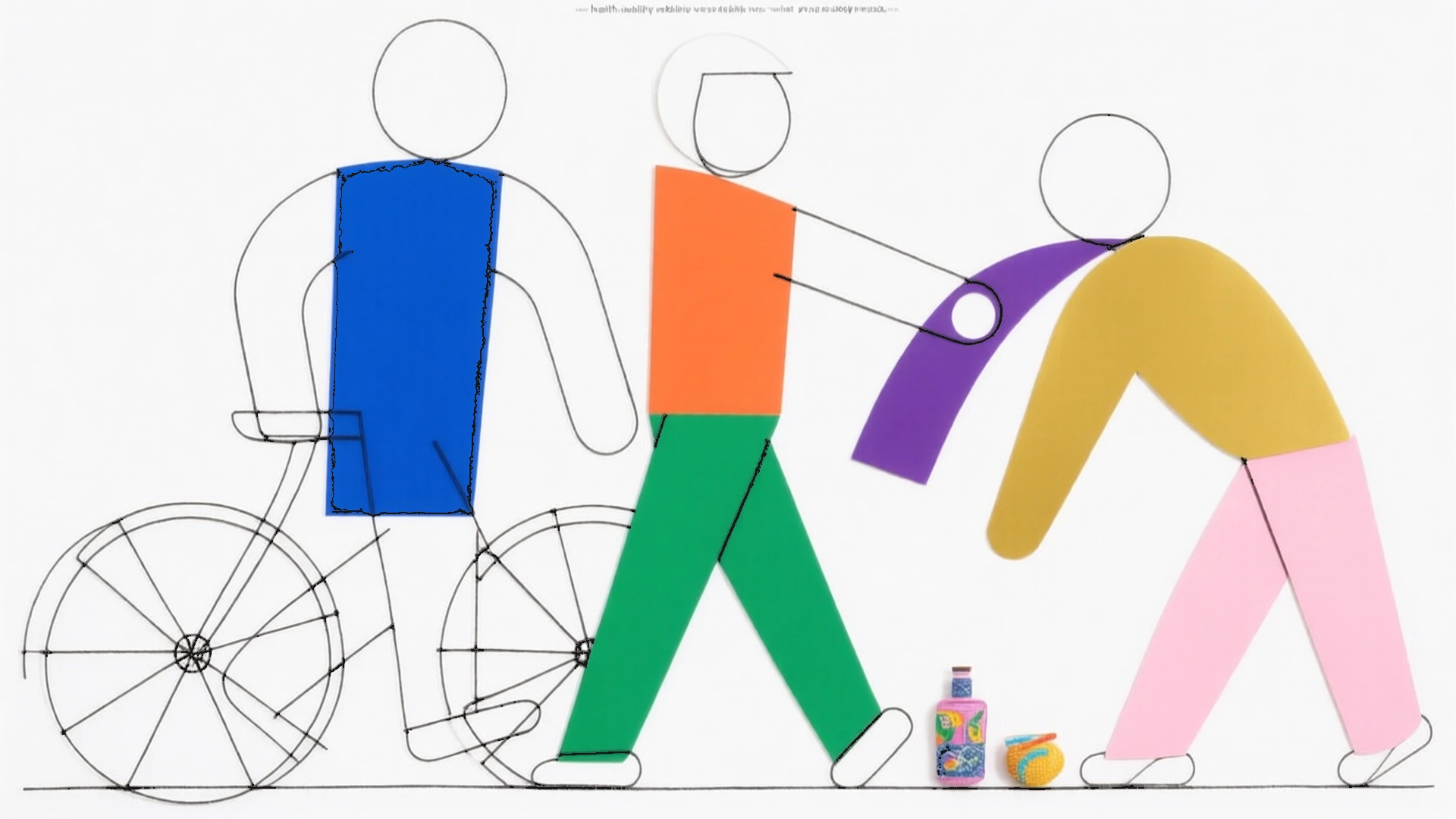
Flexibility describes available range; mobility adds active control and strength through that range. Stretching alone is not the only route to easier movement.
 Movement
Guidelines no longer require activity to occur in ten-minute blocks. Short bouts accumulate and can improve fitness and cardiometabolic markers.
 Movement
The talk test is a practical intensity gauge: moderate effort usually allows conversation but not singing, while vigorous effort makes speech harder.
 Movement
Adaptation happens between sessions. Sleep, adequate food and easier days help manage fatigue; constant soreness is not proof of progress.
 Movement
Long sitting is associated with health risk, and short activity breaks can improve post-meal glucose and reduce stiffness without requiring a workout.
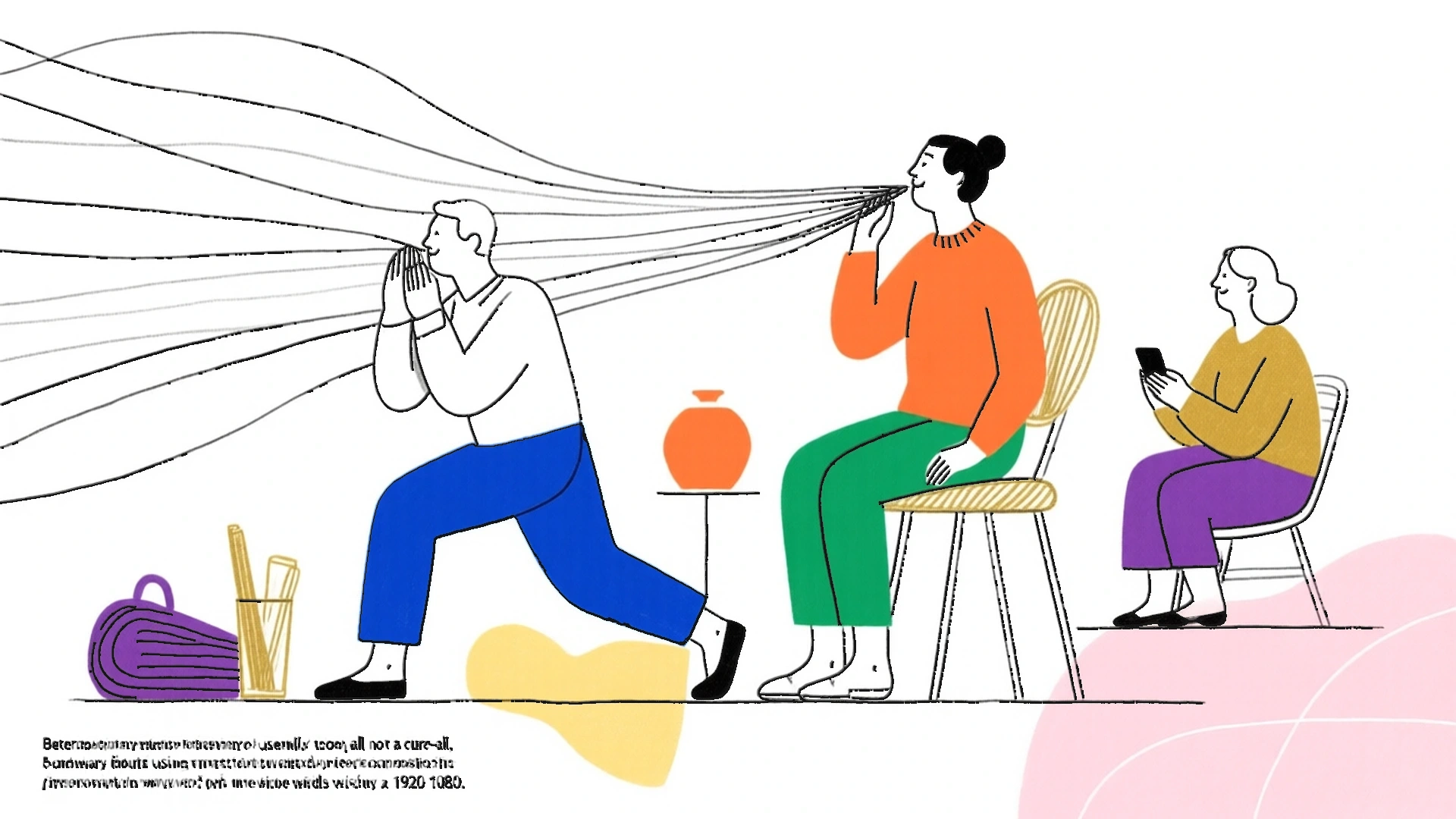 Mind
MindSlow breathing can influence arousal and may reduce short-term stress for some people. It is a skill, not a substitute for treatment or safer circumstances.
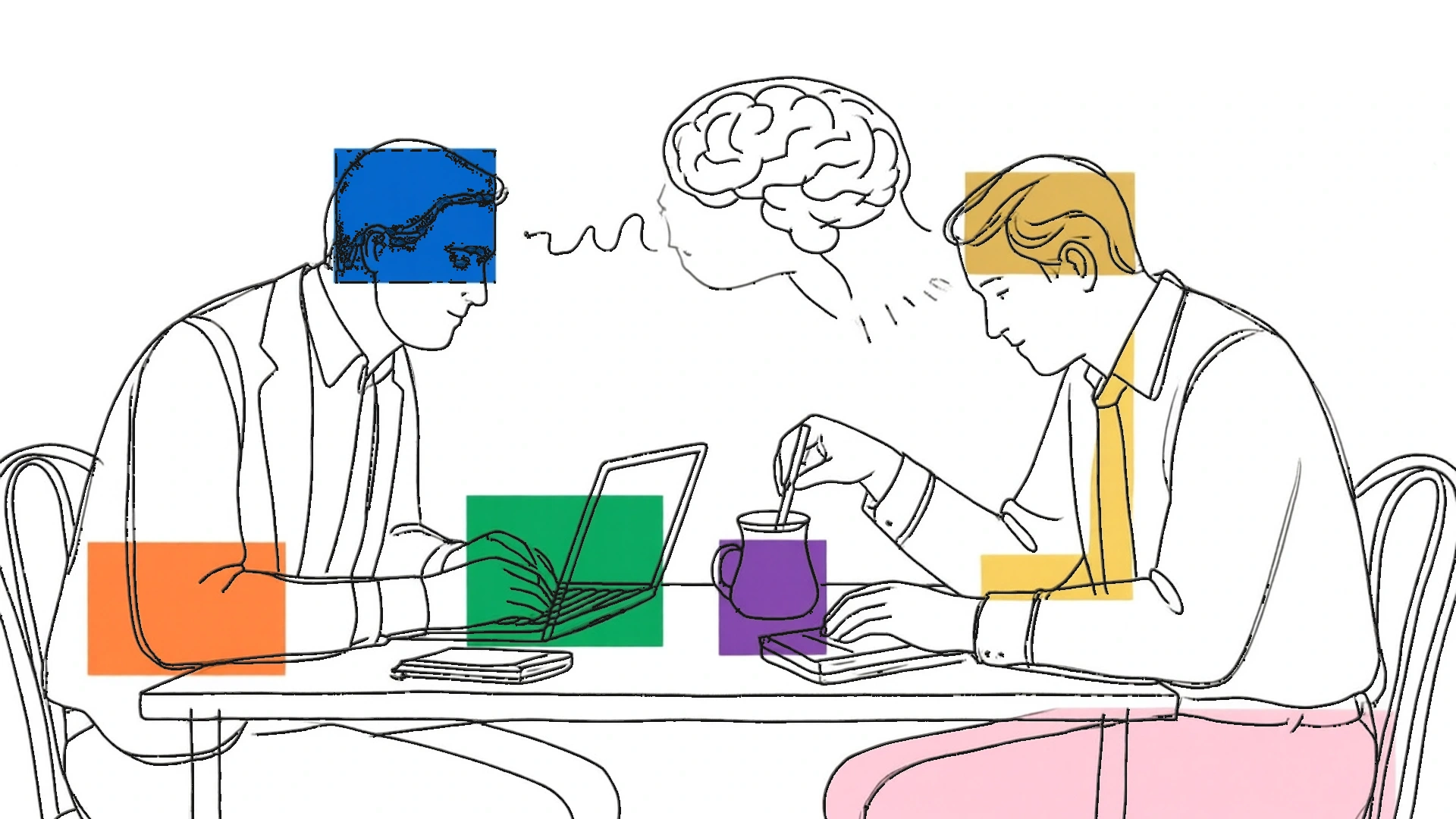 Mind
MindRepetitive thinking can feel productive while keeping attention locked on threat and self-criticism. Structured problem-solving has a clear endpoint and next action.
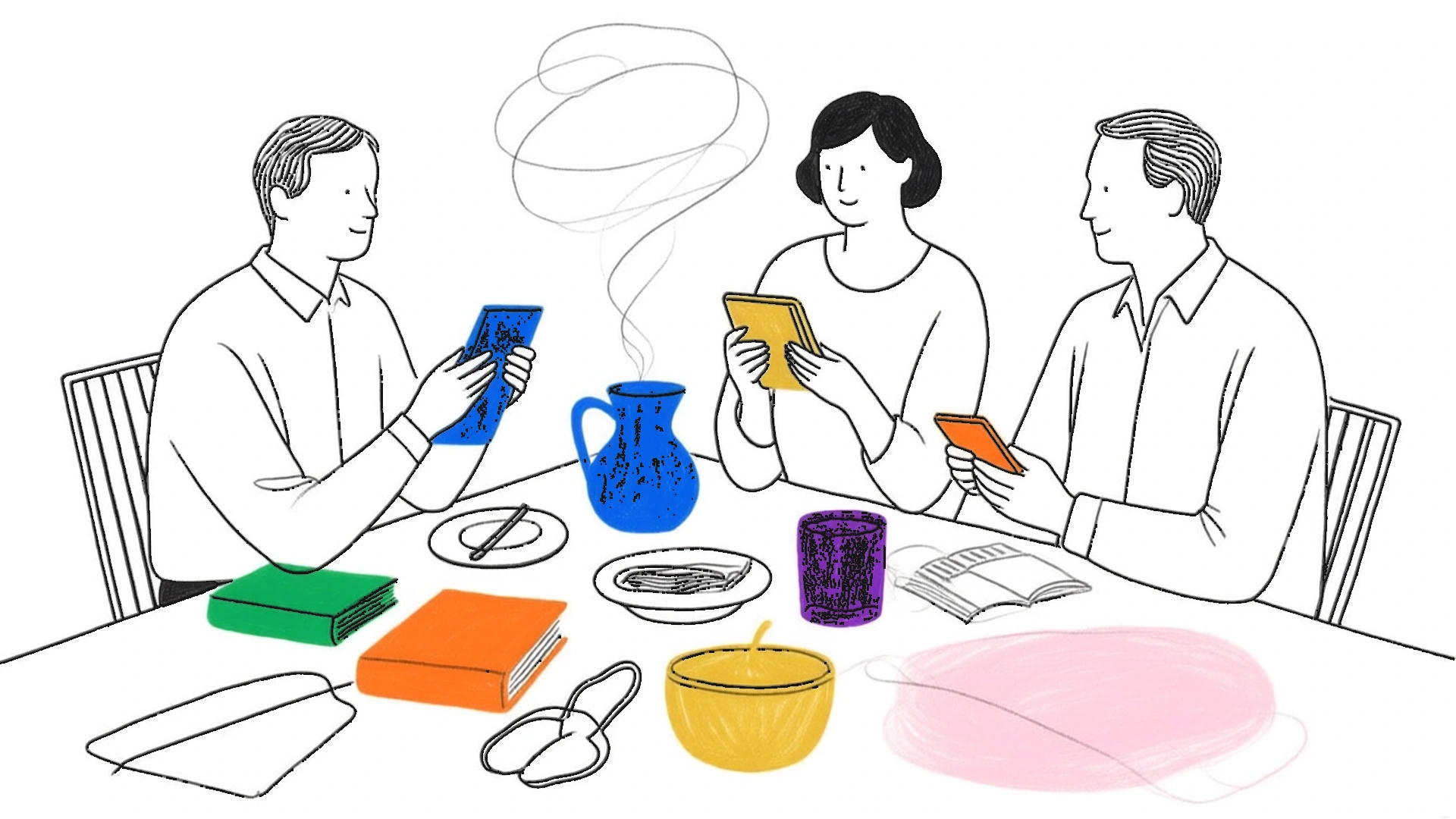 Mind
MindSelf-compassion is associated with wellbeing and can support behavior change by reducing shame. It combines kindness with honest responsibility.
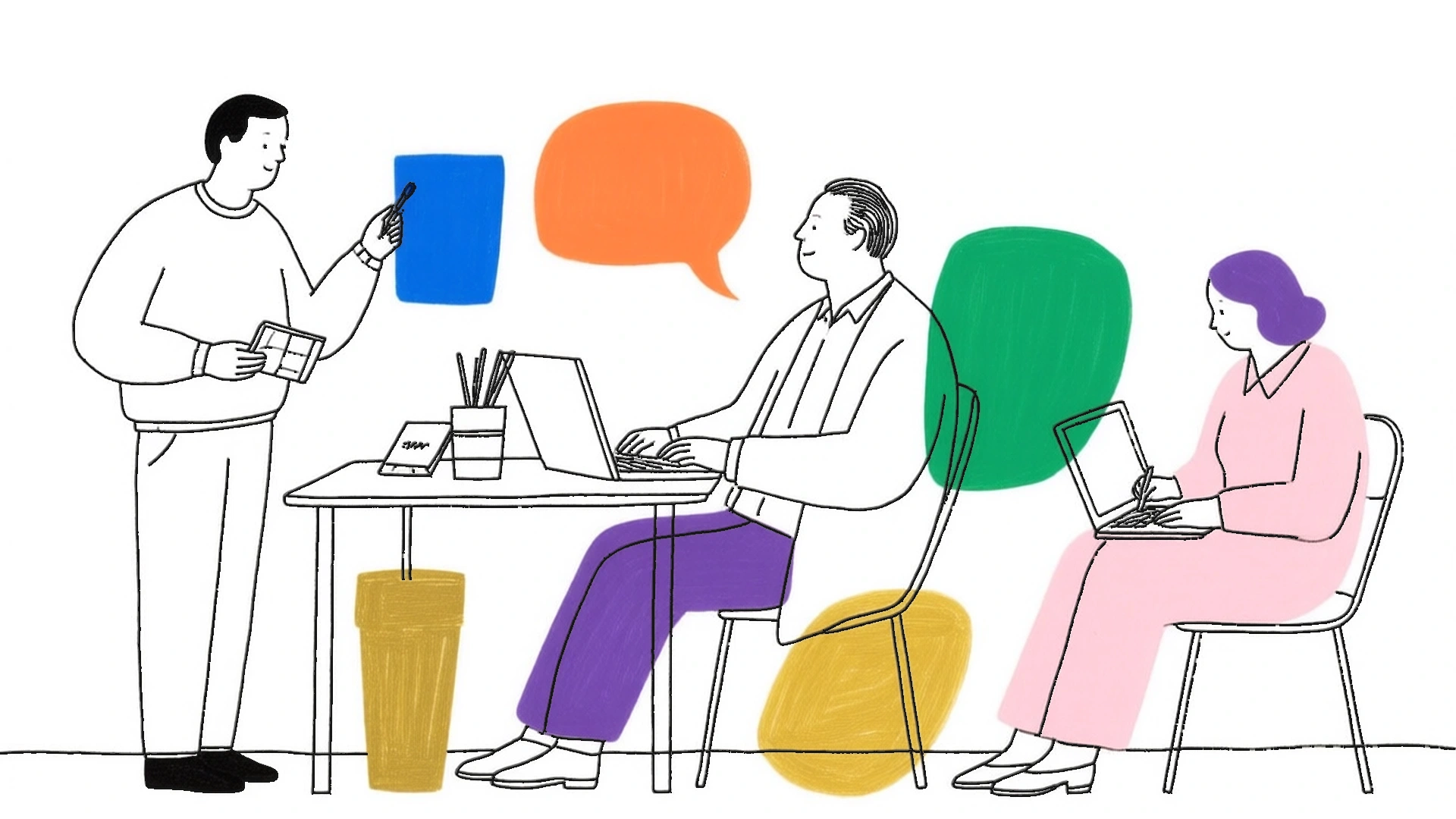 Mind
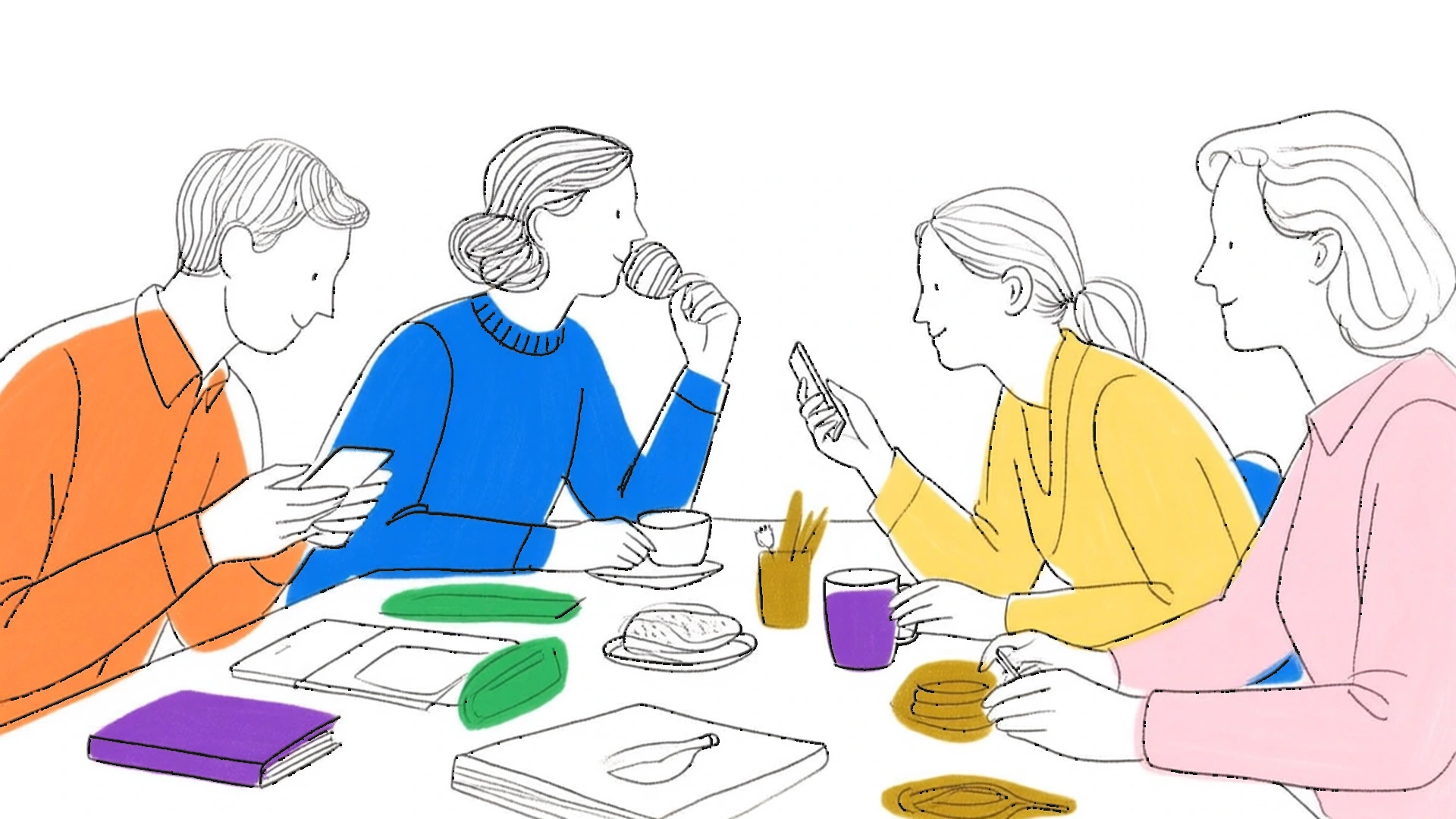
MindSocial disconnection is associated with poorer mental and physical health. Quality, belonging and reciprocal support matter more than a large contact list.
 Mind
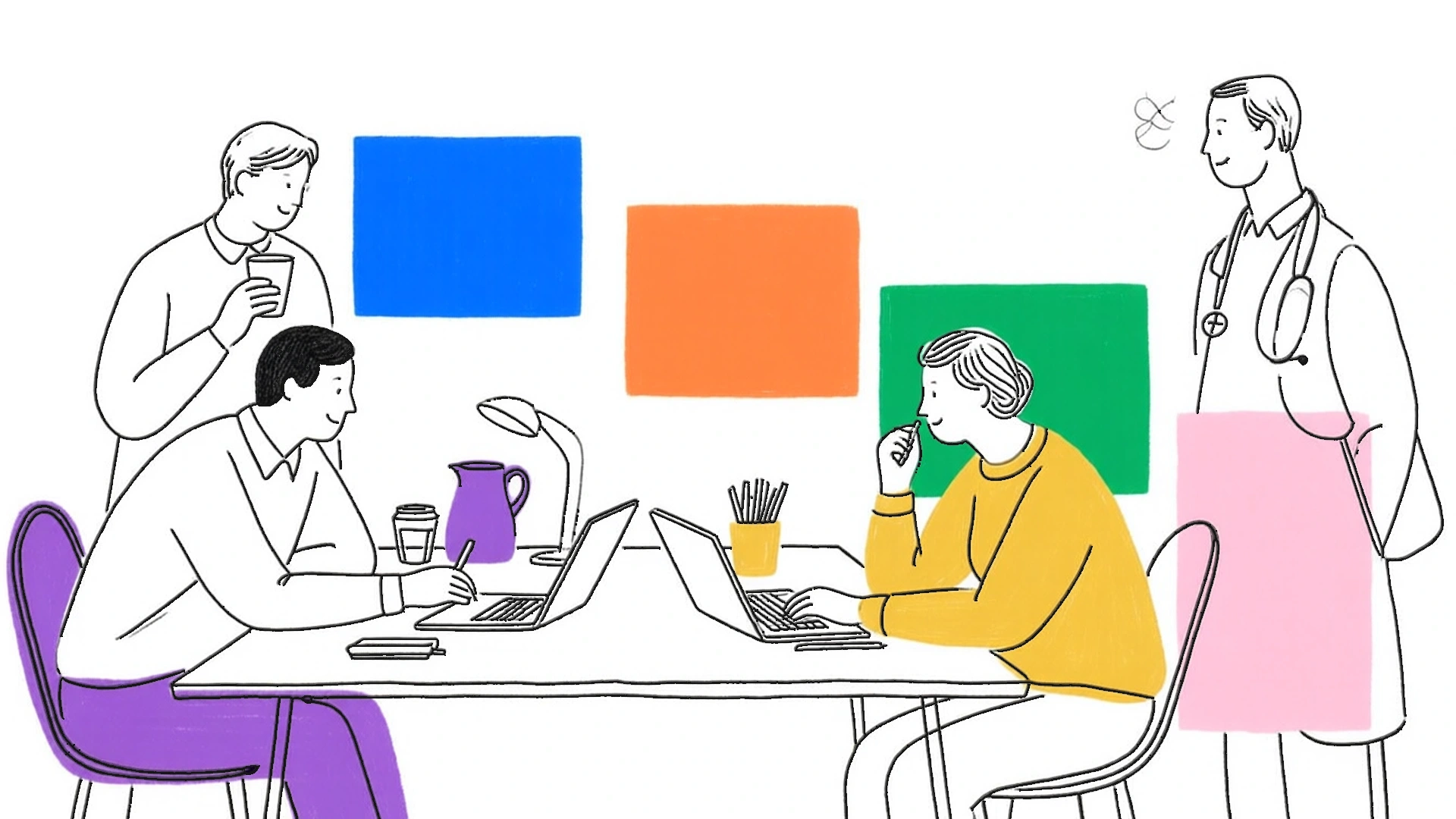
MindExpressive writing has small, variable benefits. It can organize experience, but forced disclosure or endless analysis may intensify distress.
 Mind
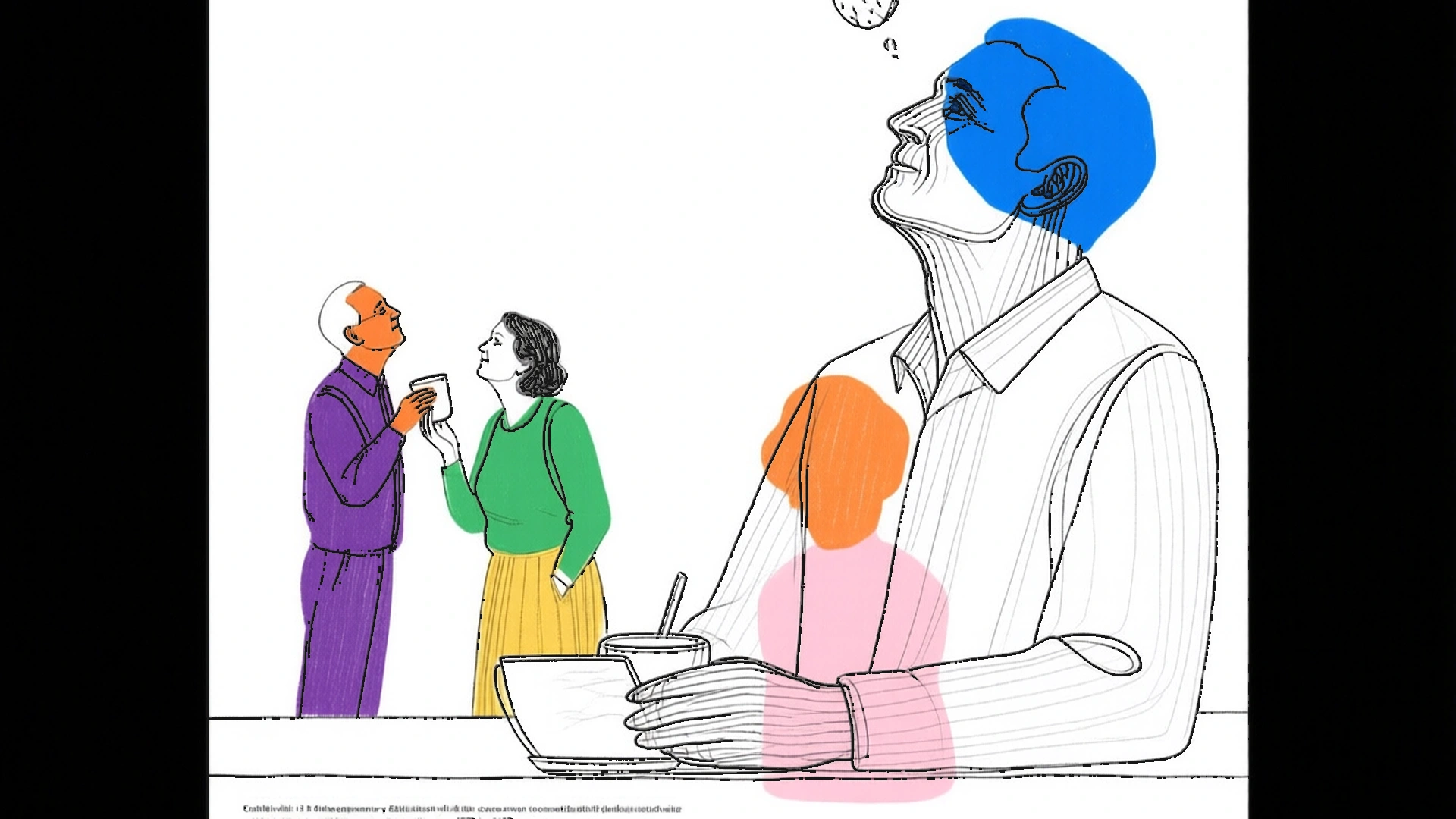
MindExperiences of awe can shift attention beyond the self and are linked with positive emotion and connection, though the evidence is still developing.
 Mind
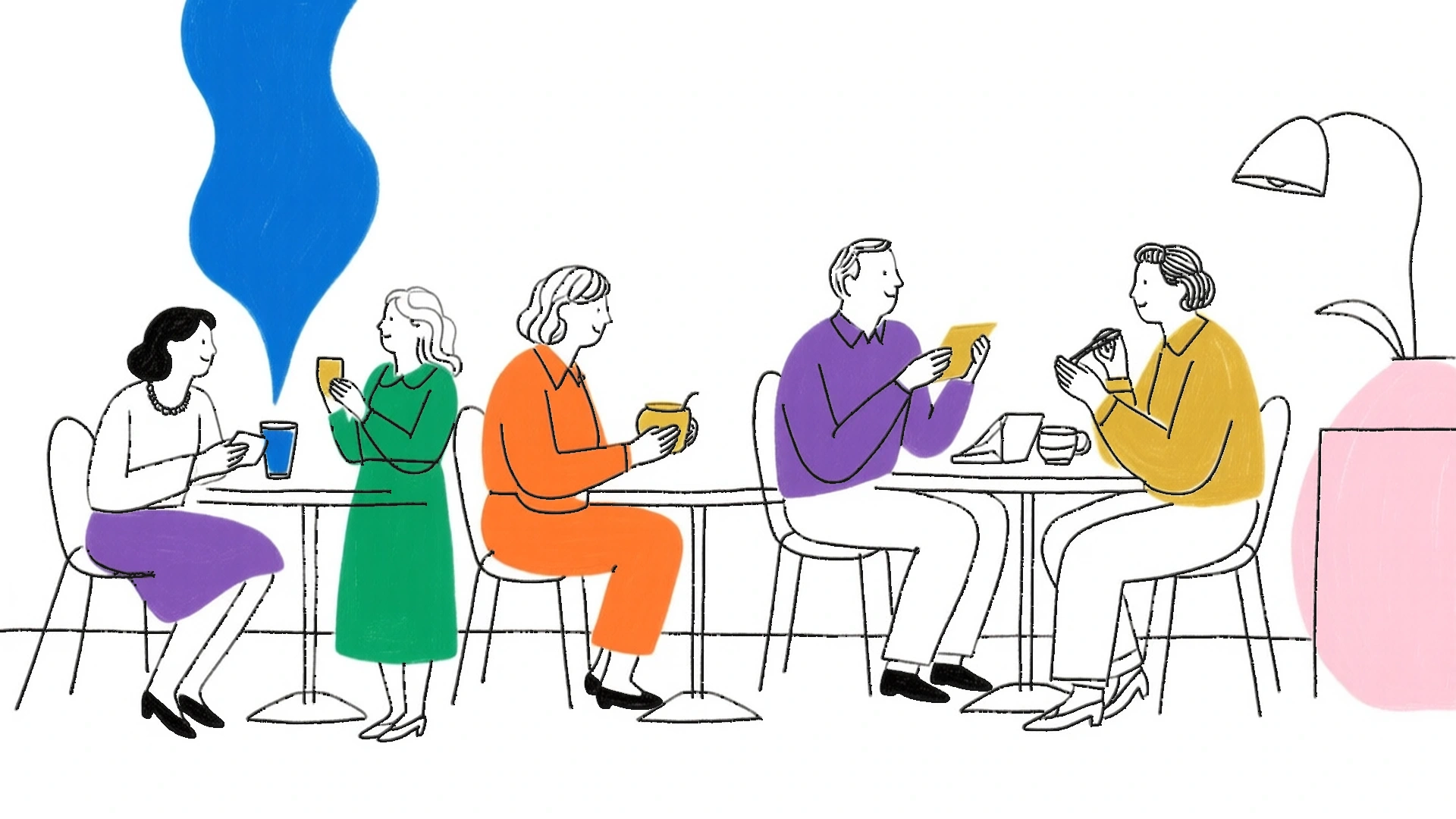
MindDigital media can connect or drain us depending on content, timing and vulnerability. Targeted boundaries are more realistic than declaring technology bad.
 Women's Health
Perimenopause can affect cycles, sleep, mood, cognition and temperature regulation. Symptoms are real, variable and treatable.
 Women's Health
Heavy menstrual bleeding can cause iron deficiency and may reflect fibroids, bleeding disorders or other conditions. Effective treatments exist.
 Women's Health
Pelvic floor symptoms can involve weakness, overactivity or coordination problems. More squeezing is not always the answer.
 Women's Health
Bone health reflects age, hormones, nutrition, loading, medications and genetics. Resistance and impact exercise can help when appropriate.
 Women's Health
Iron deficiency may cause fatigue, weakness, headaches or reduced exercise capacity, and can exist before anemia becomes obvious.
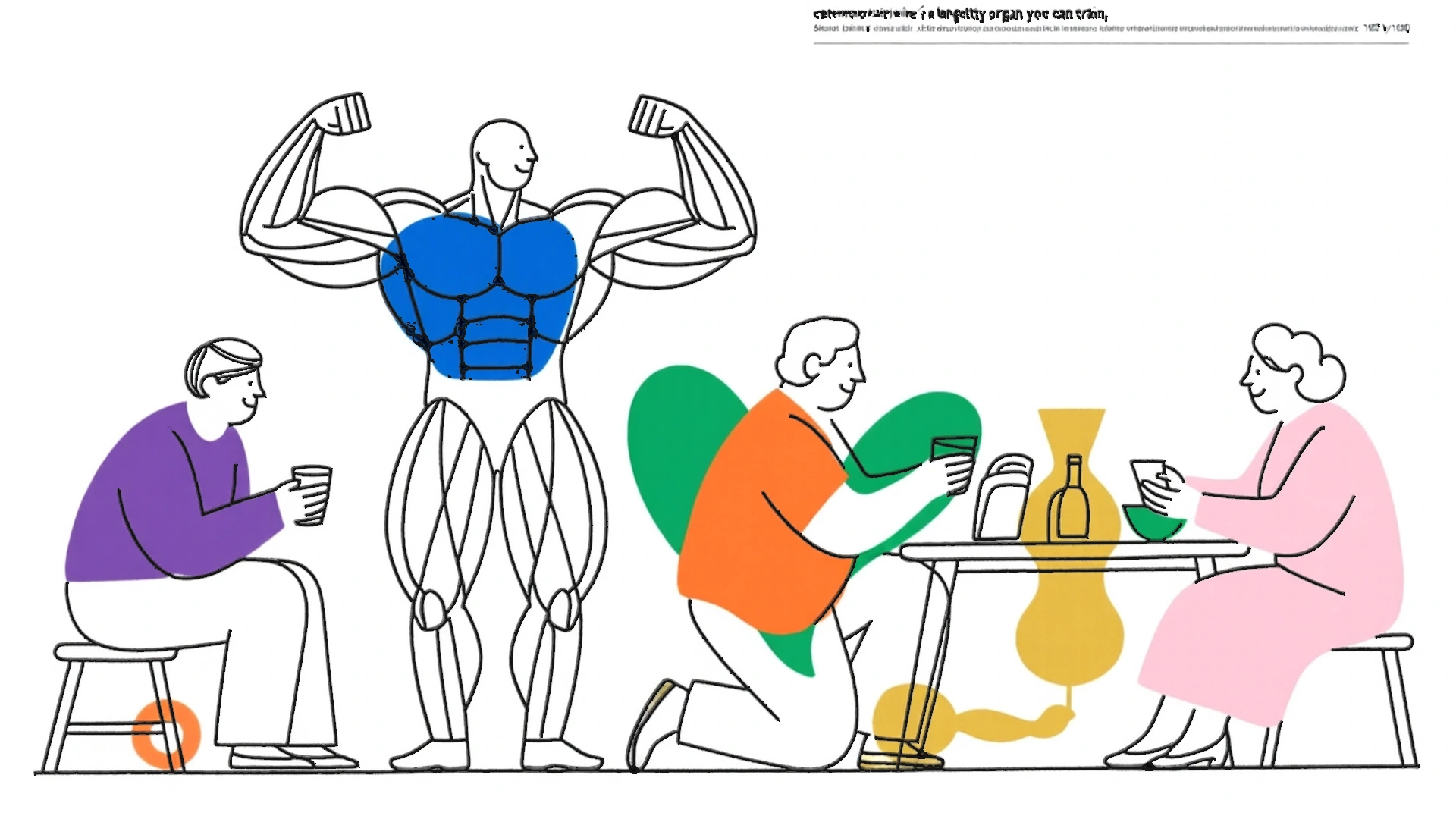 Healthy Aging
Strength helps preserve mobility, glucose handling and independence. Gains remain possible in later life with progressive, supported training.
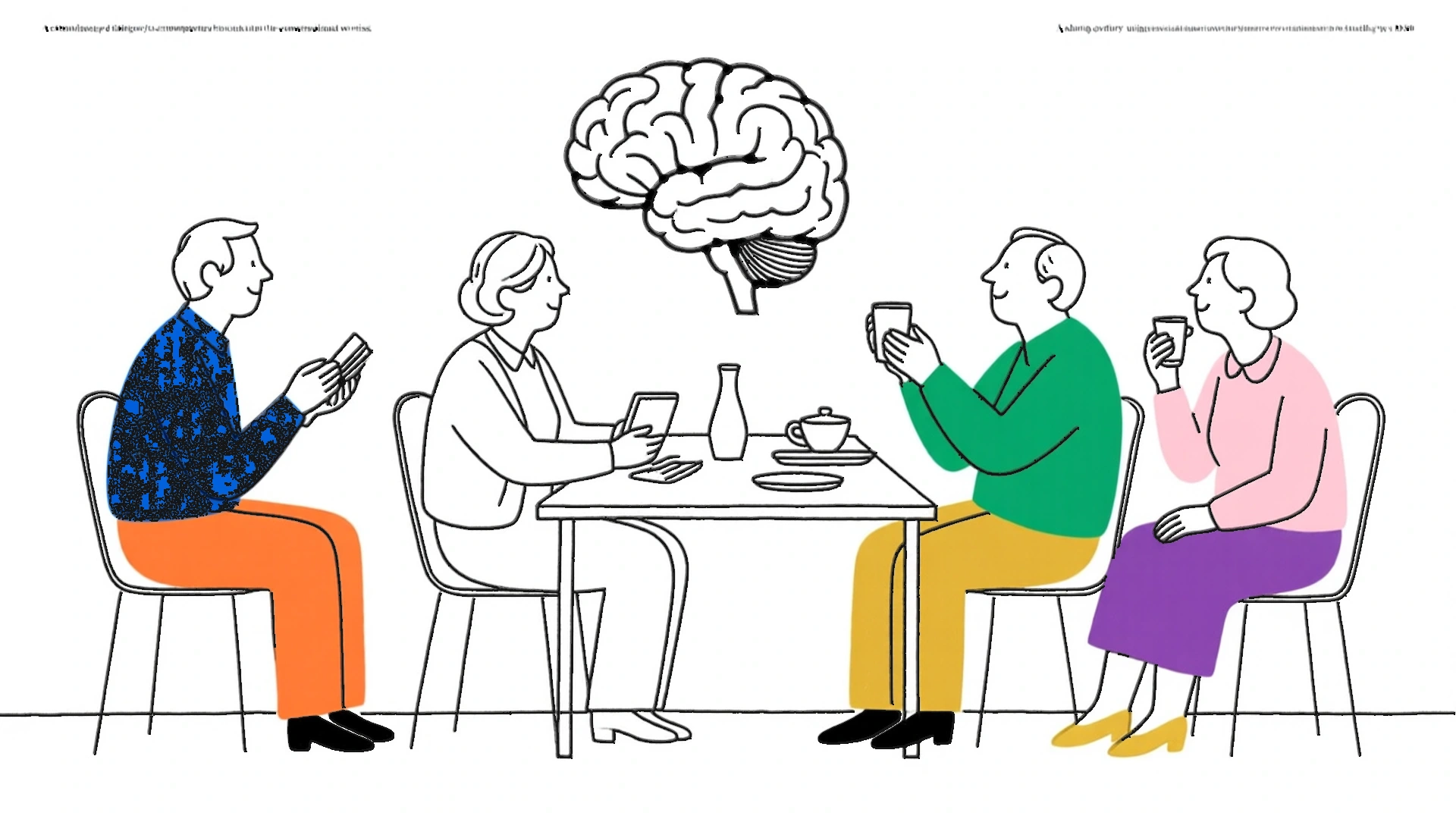 Healthy Aging
Hearing loss can increase communication effort and isolation. Treatment improves communication, and a major trial suggests cognitive benefit in some higher-risk older adults.
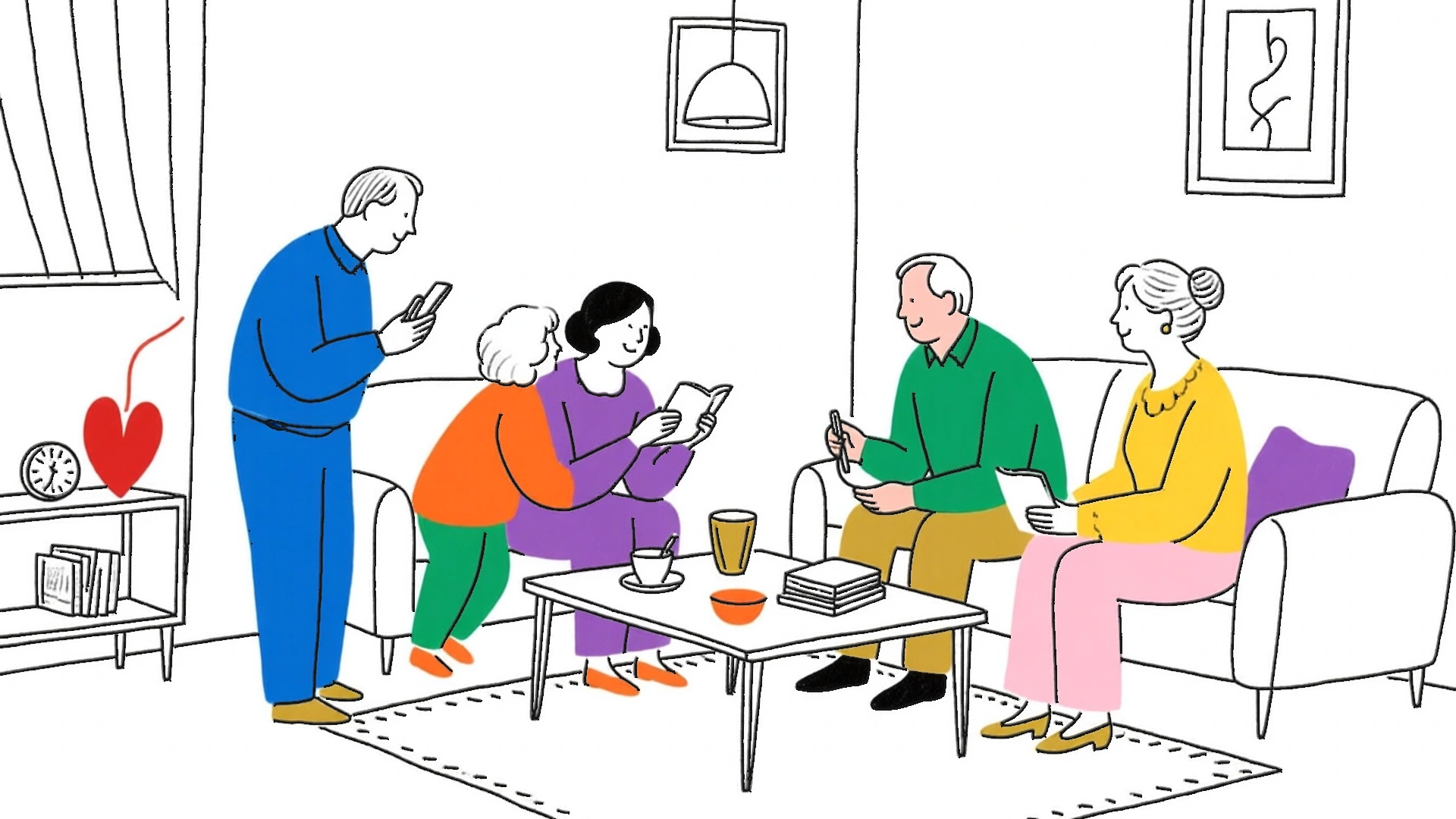 Healthy Aging
Home readings can reveal patterns missed in clinic, but cuff fit, posture and technique strongly influence the result.
 Healthy Aging
Vaccination needs continue through adulthood and change with age, pregnancy, travel, health conditions and prior doses.
 Healthy Aging
A sense of purpose is associated with healthier aging, but it need not be grand. Roles, routines and contribution can create daily meaning.
 Heart & Metabolism
LDL, HDL and triglycerides carry different information, and overall cardiovascular risk includes blood pressure, diabetes, smoking, age and family history.
 Heart & Metabolism
Prediabetes signals increased risk, not inevitable disease. Sleep, activity, food access, medications, stress and genetics all contribute.
 Heart & Metabolism
Light walking after meals can reduce post-meal glucose compared with remaining seated, especially when repeated consistently.
 Heart & Metabolism
Lower sodium reduces blood pressure on average, but response varies and much intake comes from packaged and restaurant foods rather than the salt shaker.
 Heart & Metabolism
Stress hormones can affect glucose, sleep, appetite and self-care. Stress reduction can support care, but it is not a substitute for medication or monitoring.
 Heart & Metabolism
Resting heart rate reflects fitness, stress, temperature, hydration, medications and illness. A personal trend is usually more useful than comparison with others.
 Gut Health
Bloating can reflect meal size, constipation, swallowed air, food intolerance or gut-brain interaction. Restrictive diets are not the automatic first step.
 Gut Health
Constipation involves frequency, stool form, straining and incomplete emptying. Fiber, fluids, activity and toileting conditions help differently across people.
 Gut Health
The nervous system, immune signals and microbial metabolites connect gut and brain. This does not mean every mood symptom begins in the microbiome.
 Gut Health
Meal timing, trigger foods, body position and weight changes can influence reflux, but triggers are individual and effective medicines exist.
 Gut Health
Food allergy involves immune reactions and can be life-threatening; intolerance usually causes digestive symptoms and has different testing and management.
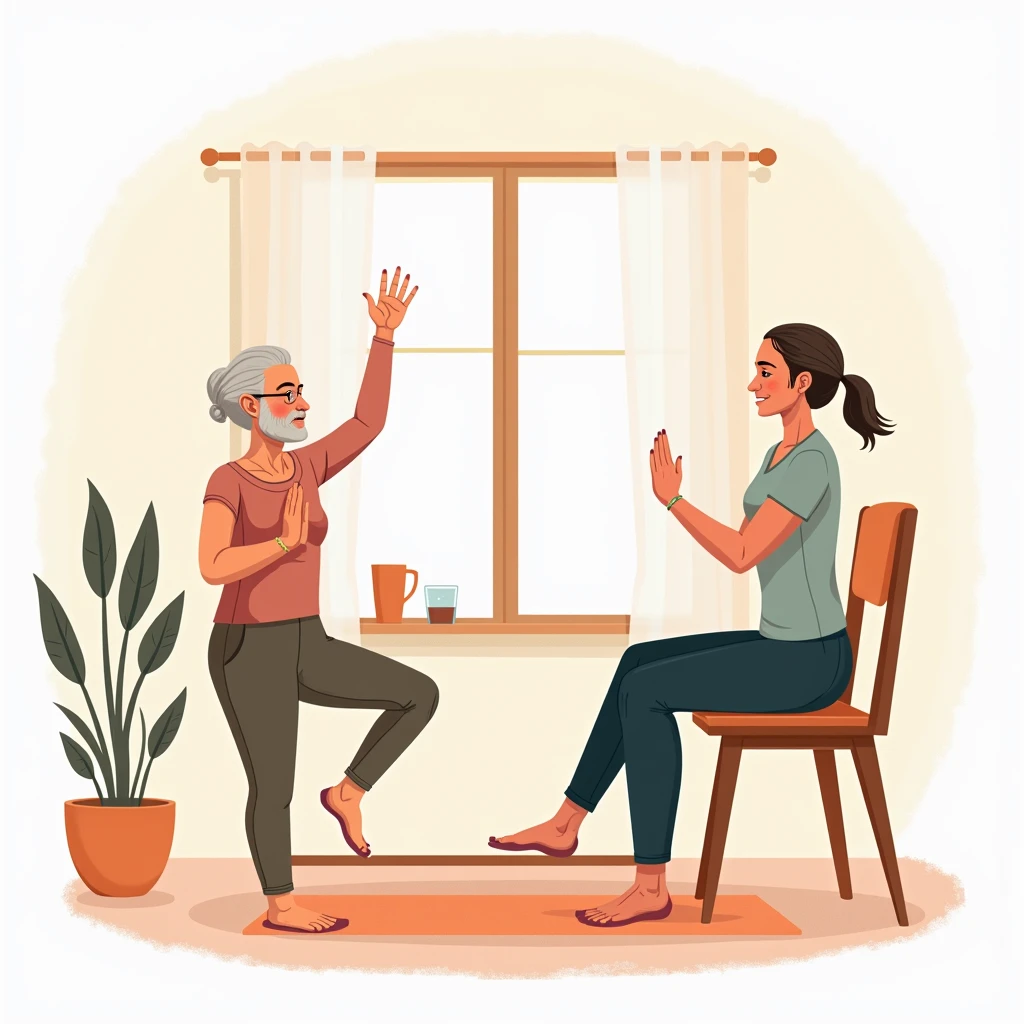 Yoga
YogaA chair can make balance, mobility and breathing practice more accessible without making the session less meaningful.
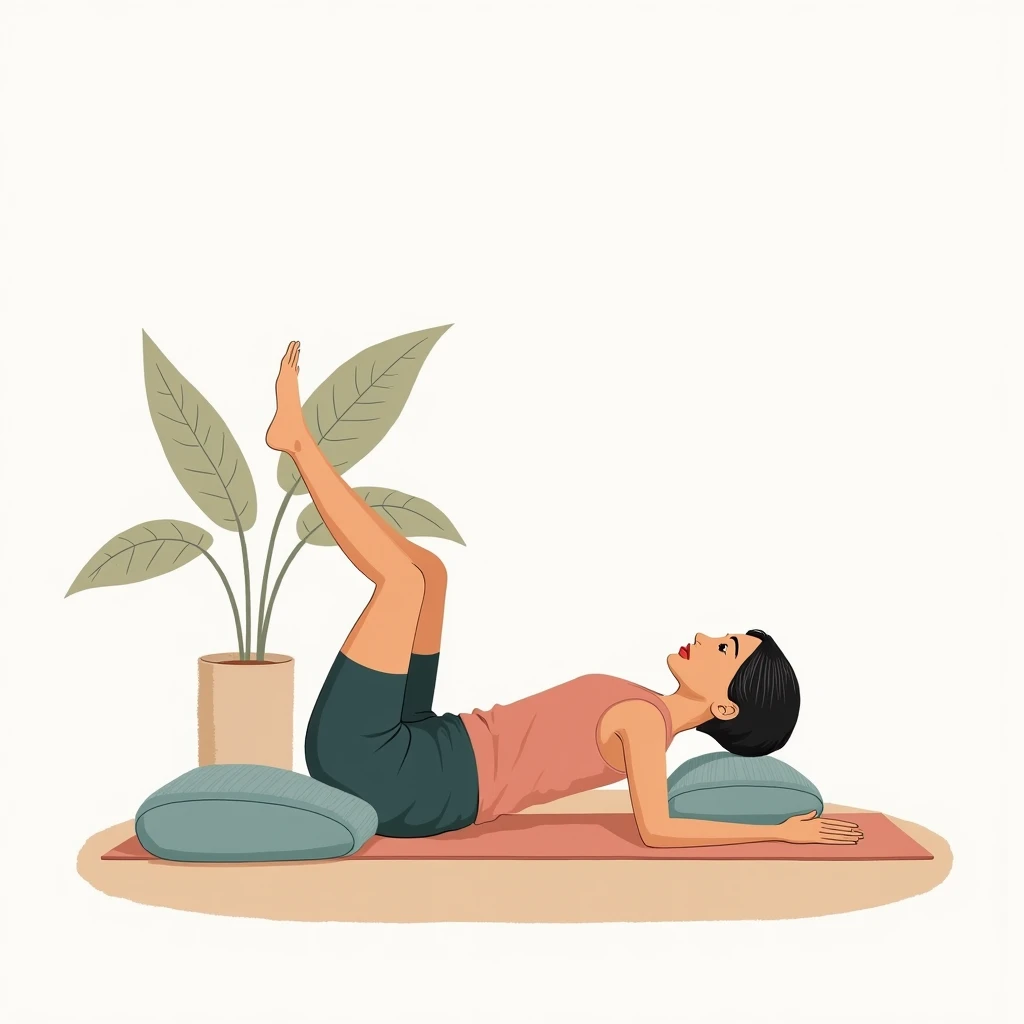 Yoga
YogaGentle, adapted yoga may modestly improve chronic low-back pain and function, but forcing range is not the point.
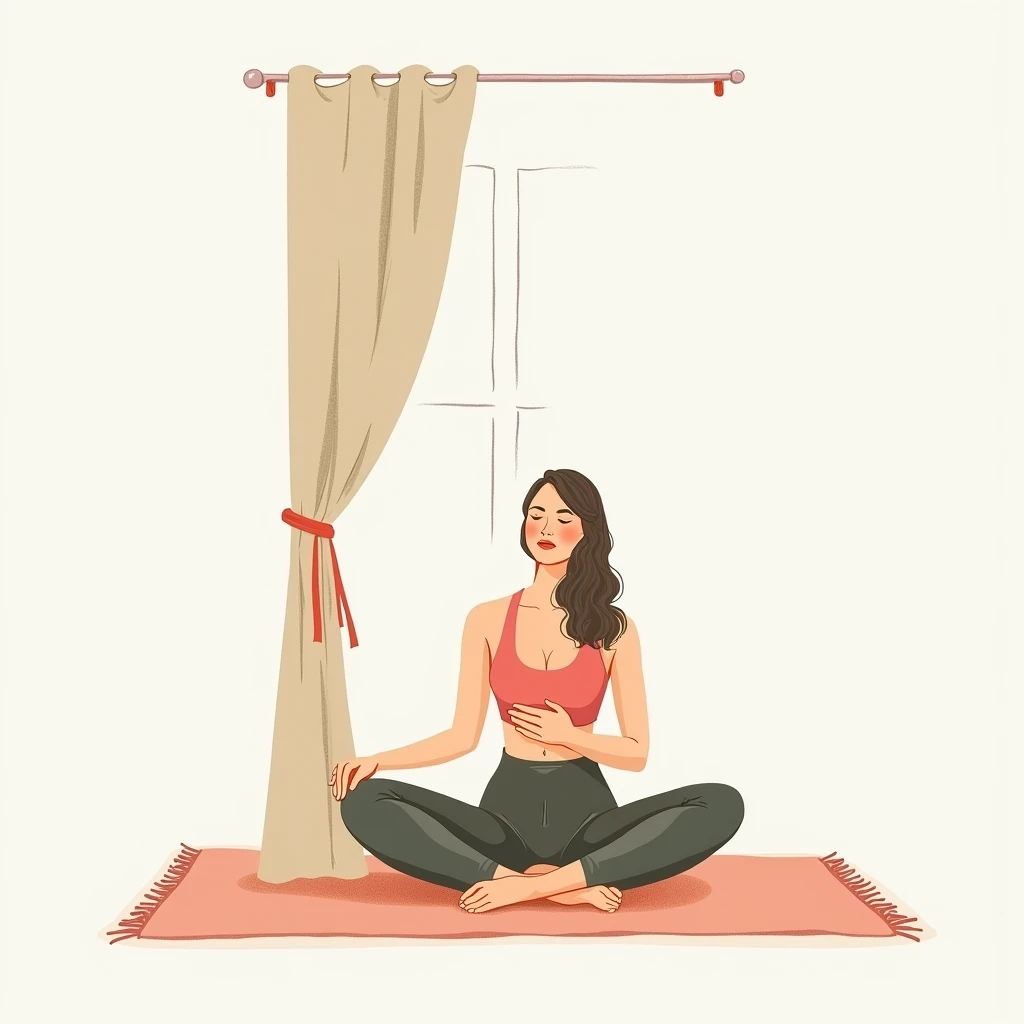 Yoga
YogaSlow breathing can be grounding, while long holds or forceful breathing may cause dizziness or distress.
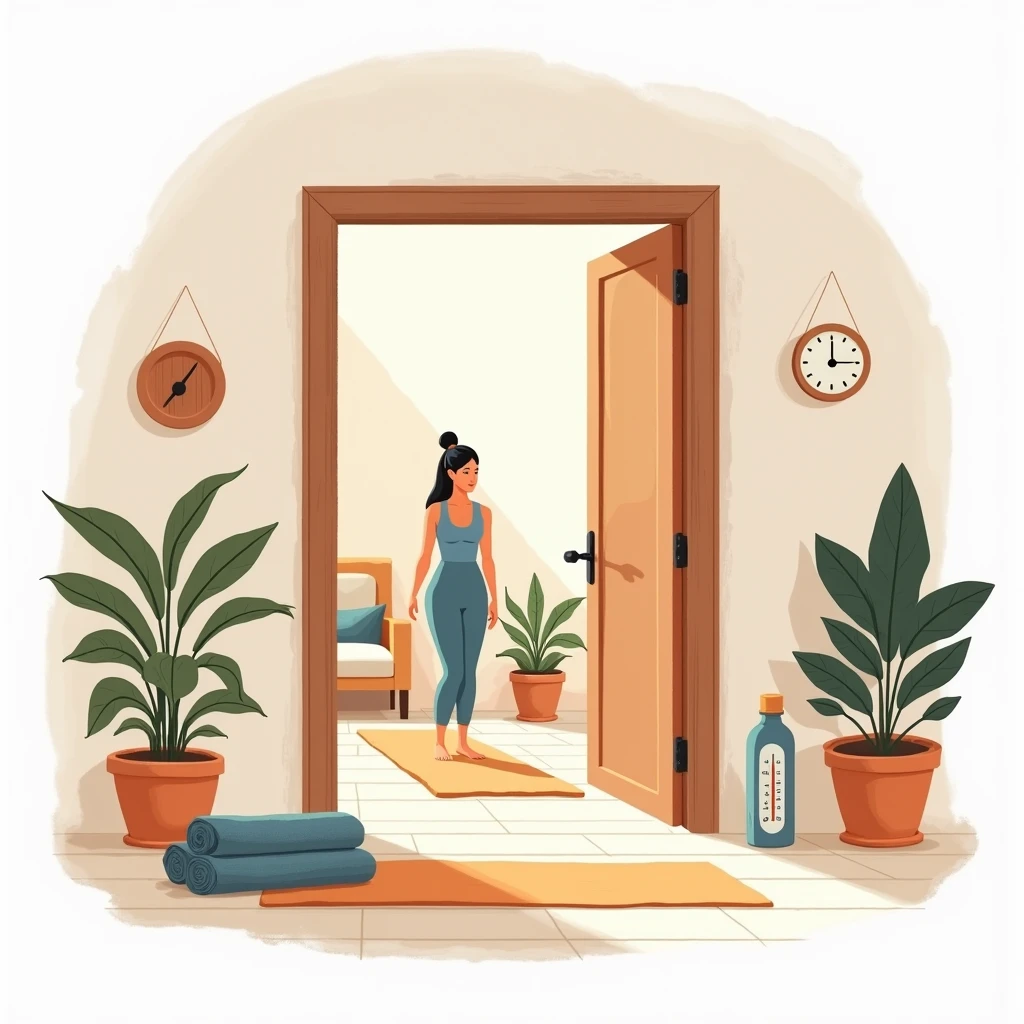 Yoga
YogaA heated room changes hydration and heat-strain risk; sweat is cooling, not proof that toxins are leaving.
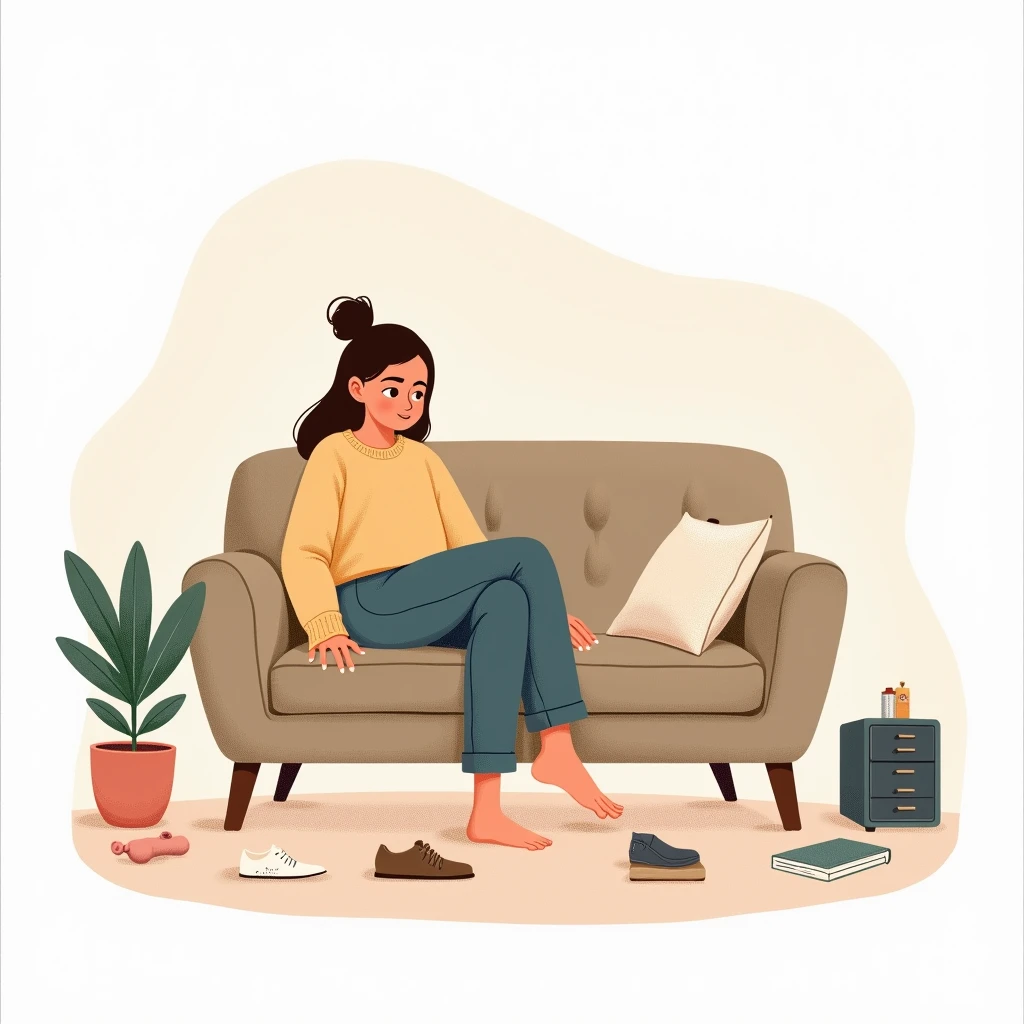 Mind
MindA panic attack can feel medically dangerous even when it is not; a simple plan can reduce the fear of the fear.
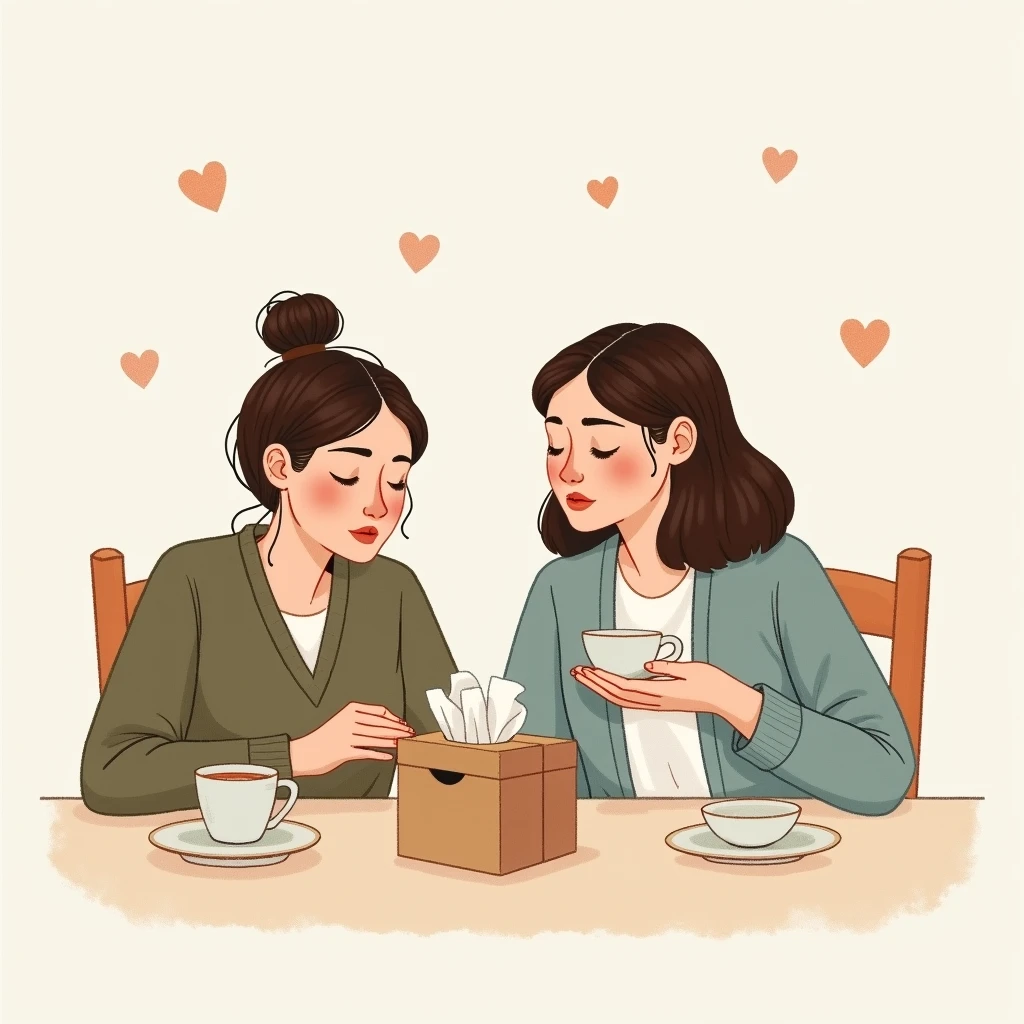 Mind
MindGrief shifts rather than moving through a universal set of stages; culture, relationship and circumstance matter.
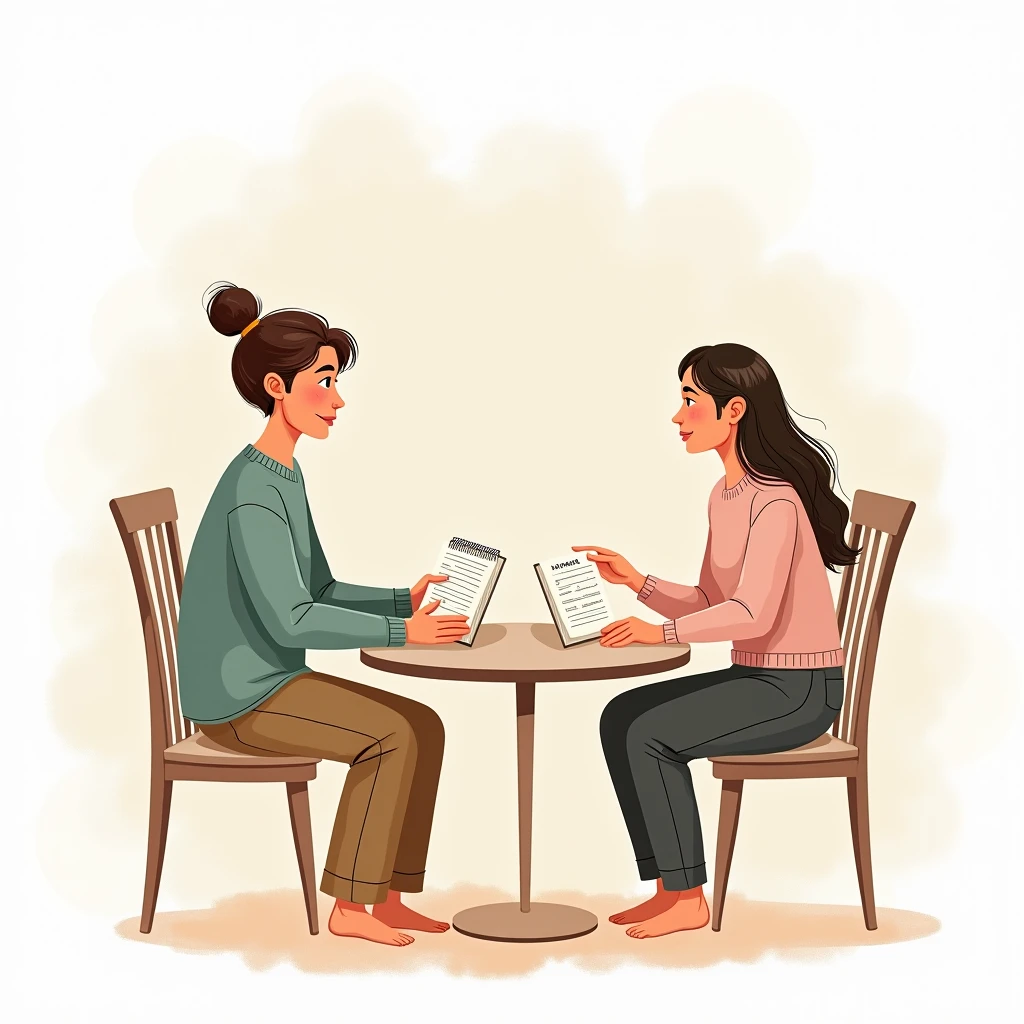 Mind
MindExhaustion can reflect too much responsibility and too little support, not a failure to be loving enough.
 Mind
MindFrequent switching has a cognitive cost, and attention is affected by sleep, stress, pain, mood and environment.
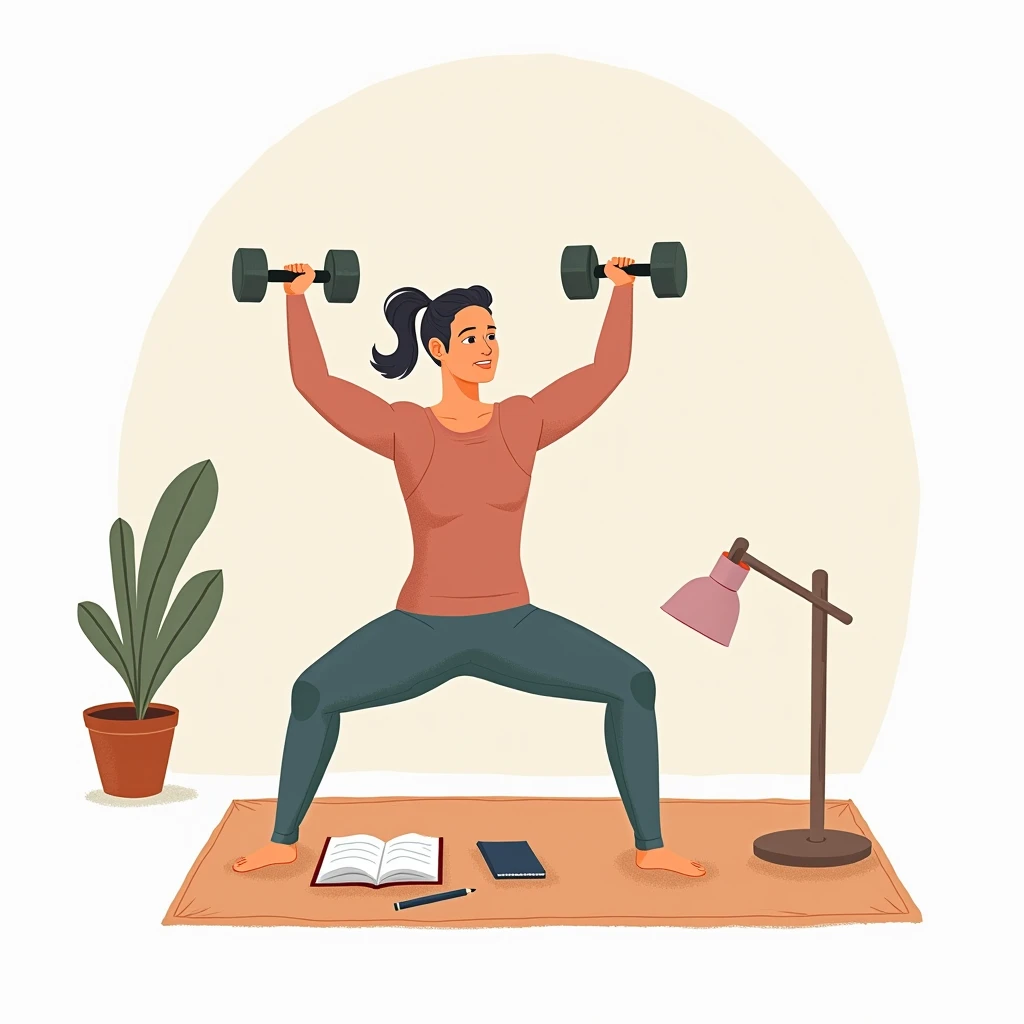 Exercise
Muscle adapts when training gradually becomes more demanding, but load is only one lever.
 Exercise
Easy-to-moderate aerobic work can build endurance, but wearable zones are estimates and definitions differ.
 Exercise
Grip strength correlates with health outcomes in populations, but it is not a stand-alone diagnosis or life-expectancy score.
 Exercise
Delayed soreness often follows unfamiliar exercise, but soreness is not required for progress.
 Exercise
Recovery is not a switch; energy, breathing, sleep and symptoms can lag behind the end of an infection.
 Food
FoodBerries offer fiber and varied plant compounds, but no berry prevents or cures disease on its own.
 Food
FoodLeafy greens provide folate, vitamin K and other nutrients, while variety matters more than worshipping one leaf.
 Food
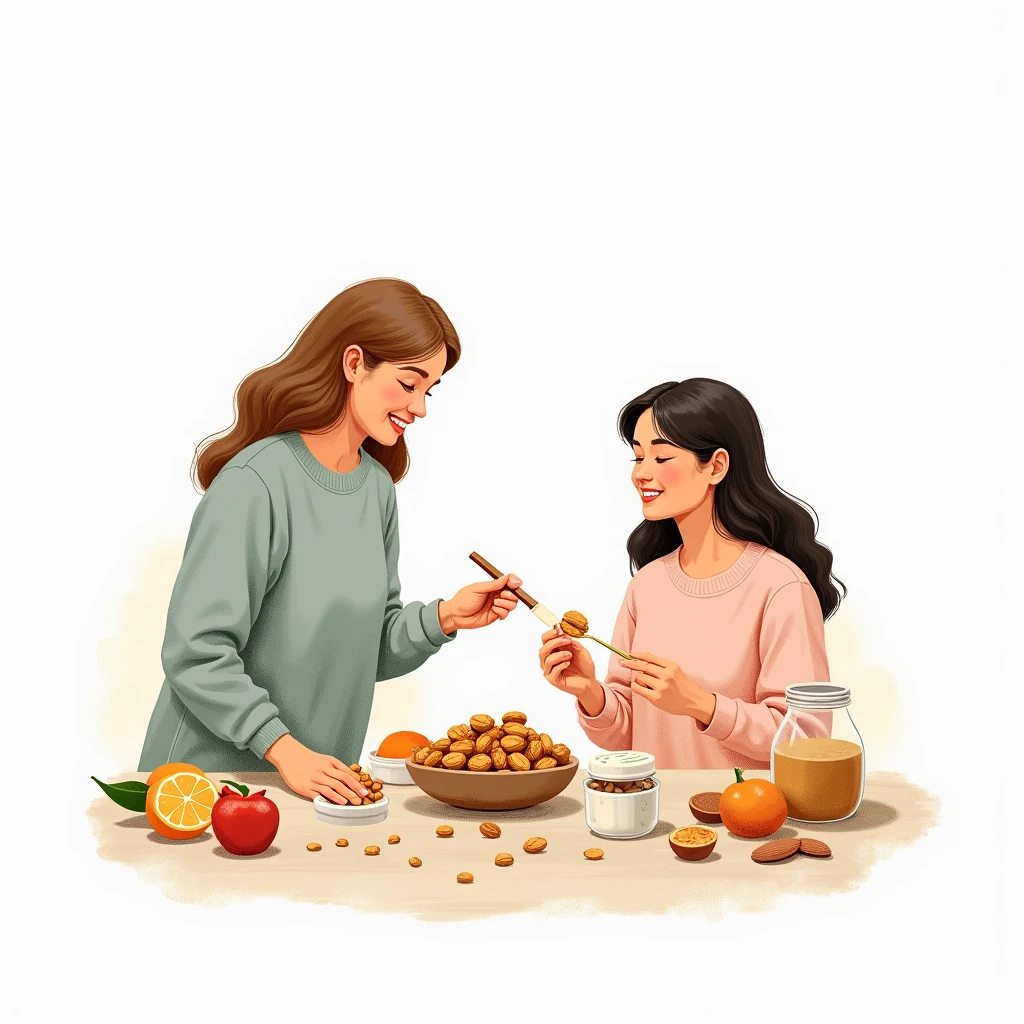
FoodNuts provide unsaturated fats, protein and fiber, but portions, allergies and cost matter.
 Food
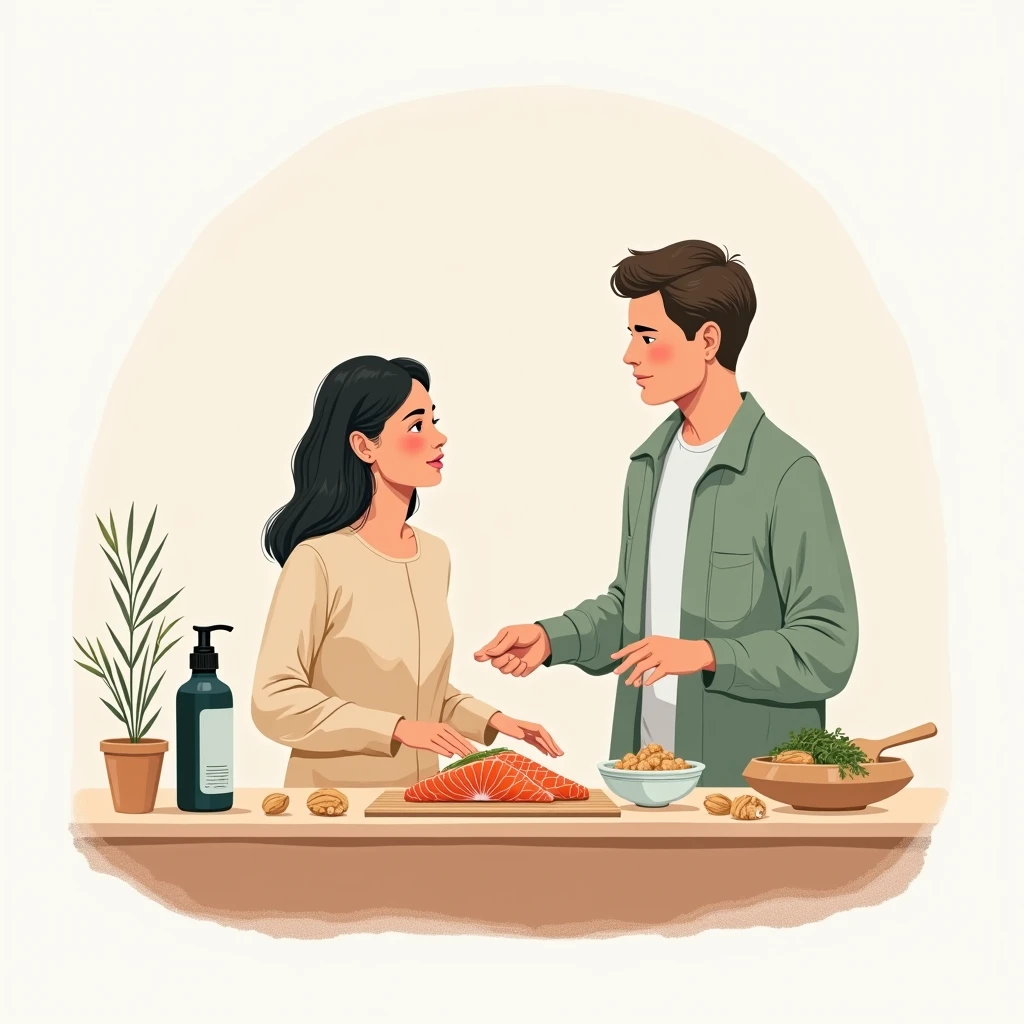
FoodOmega-3 fats come in different forms, and benefits depend on source, dose and the outcome being studied.
 Food
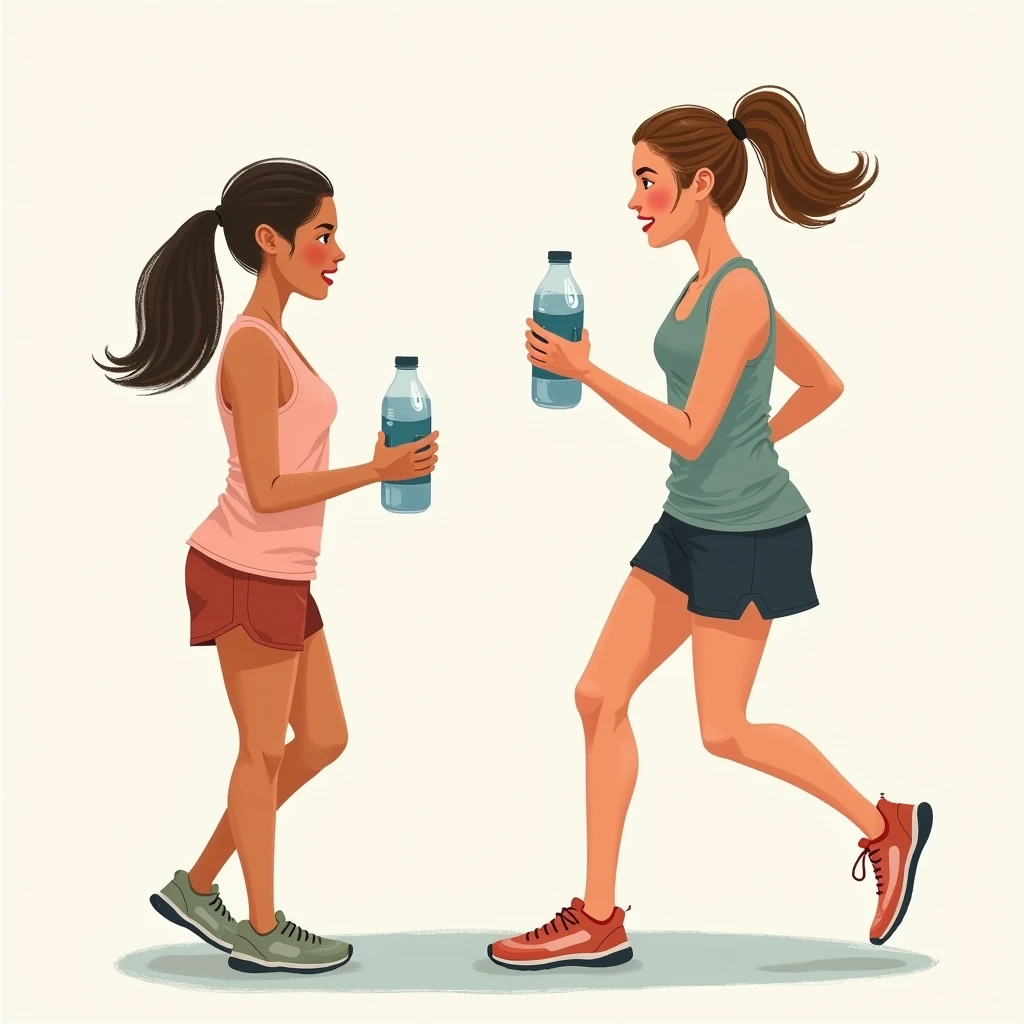
FoodMost ordinary days do not require a special electrolyte drink; prolonged sweat, vomiting or diarrhea can change needs.
 Men's Health
PSA screening can find some cancers earlier and can also lead to false alarms, biopsies and treatment harms.
 Men's Health
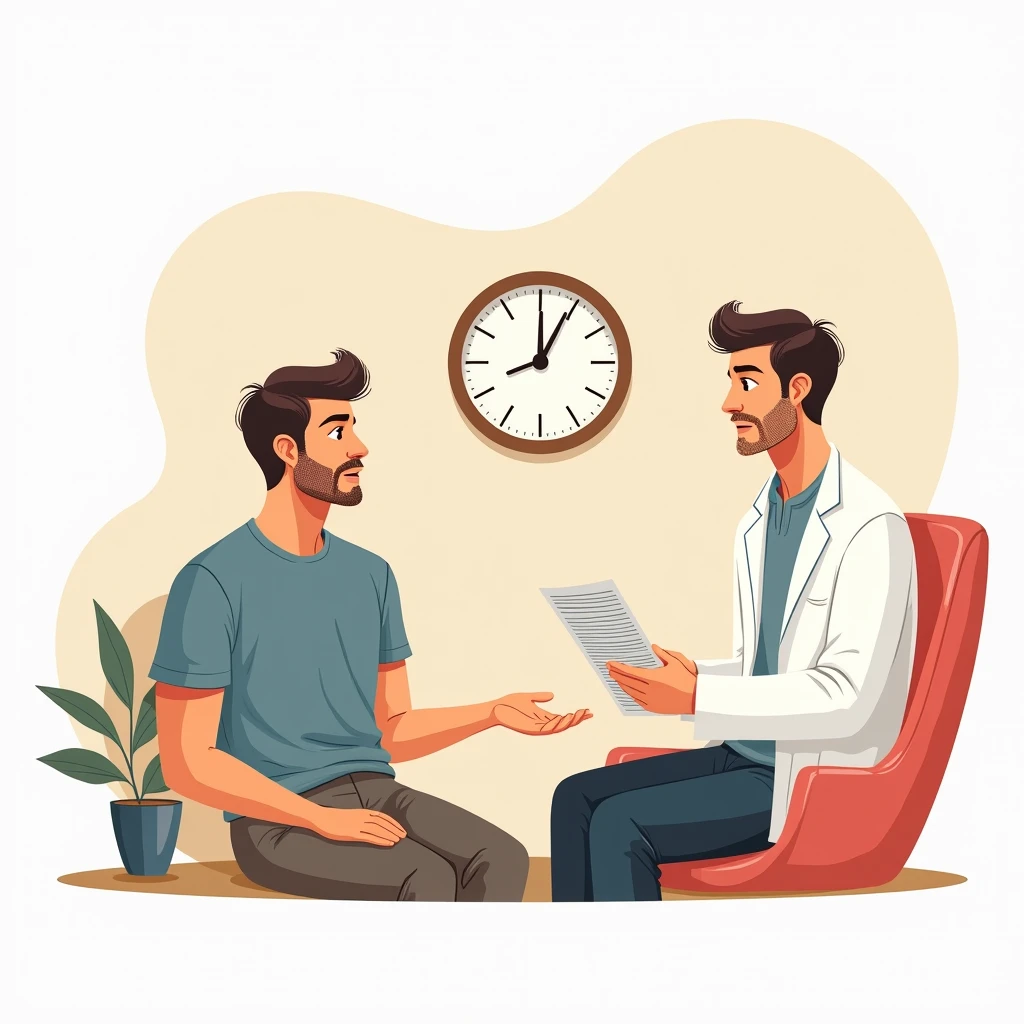
Fatigue, mood change and low libido have many possible causes; a single un-timed test cannot settle the question.
 Men's Health
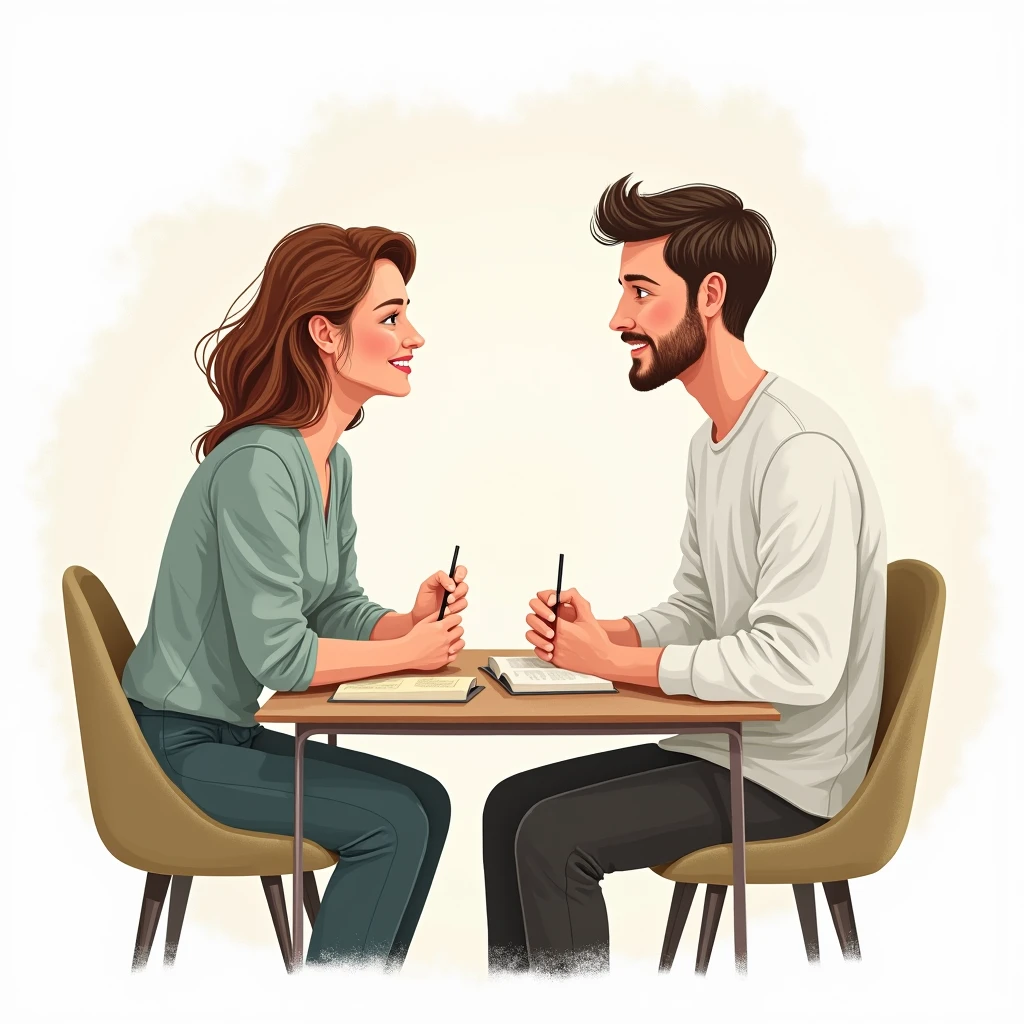
Erection difficulties can involve blood vessels, nerves, hormones, medicines, stress and relationships.
 Men's Health
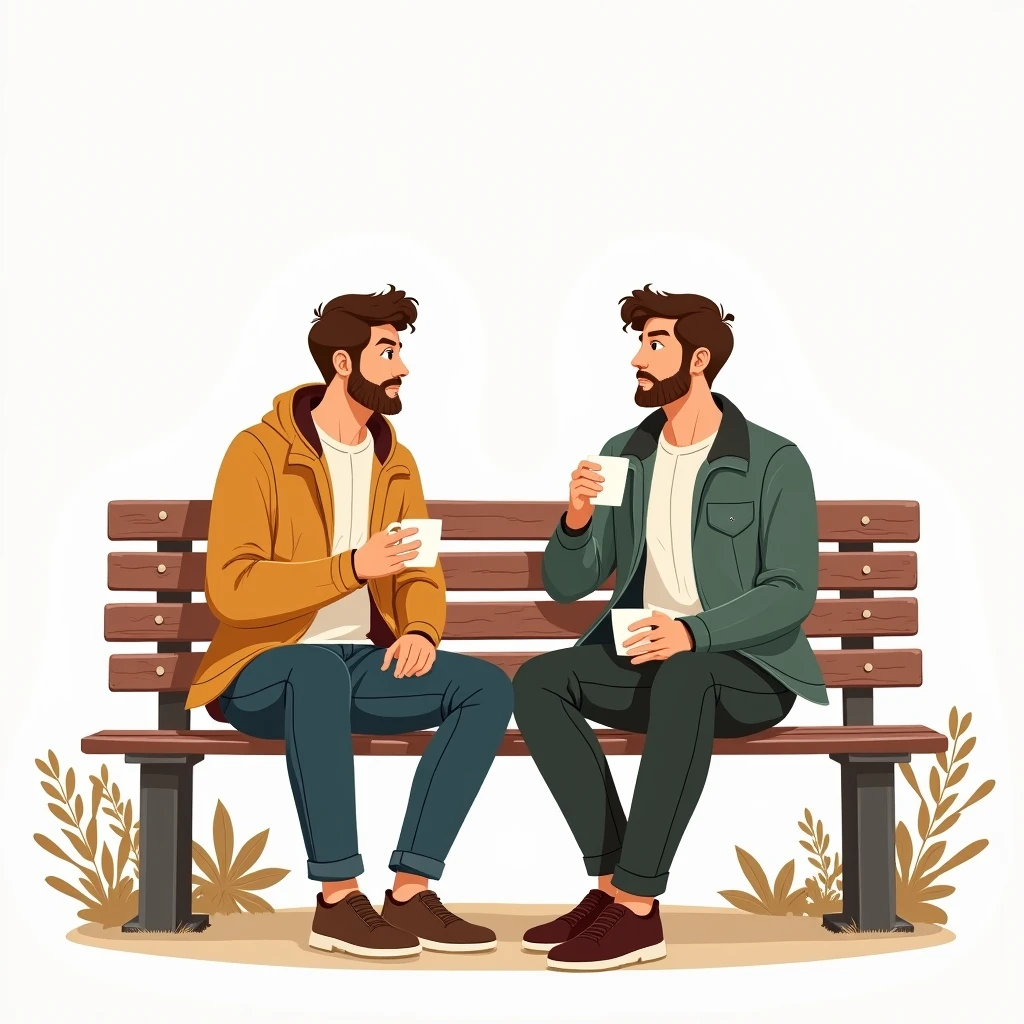
Distress may show up as irritability, withdrawal, risky behavior or substance use rather than obvious sadness.
 Women's Health
Polycystic ovary syndrome can affect cycles, skin, hair, metabolism and mental wellbeing across life stages.
 Women's Health
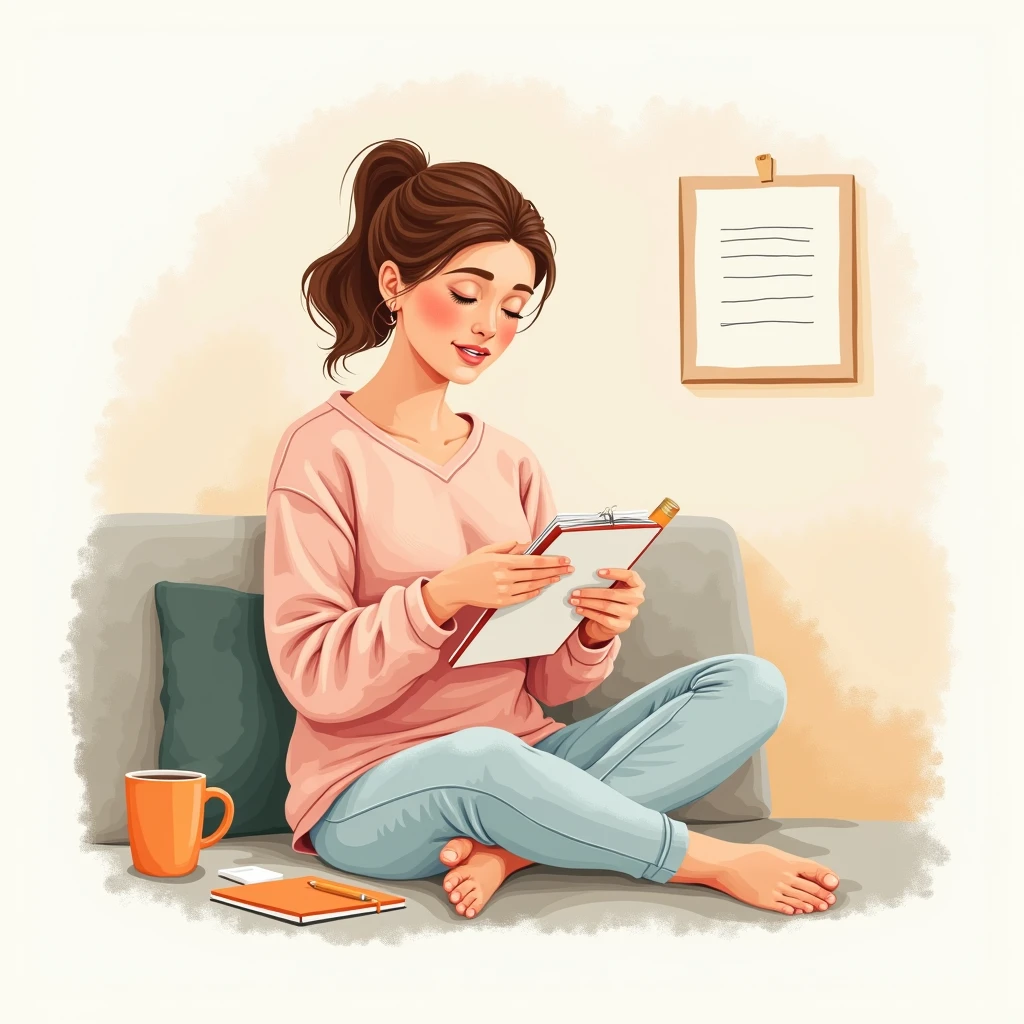
Severe period pain is not automatically normal, and symptom intensity does not always match disease extent.
 Women's Health
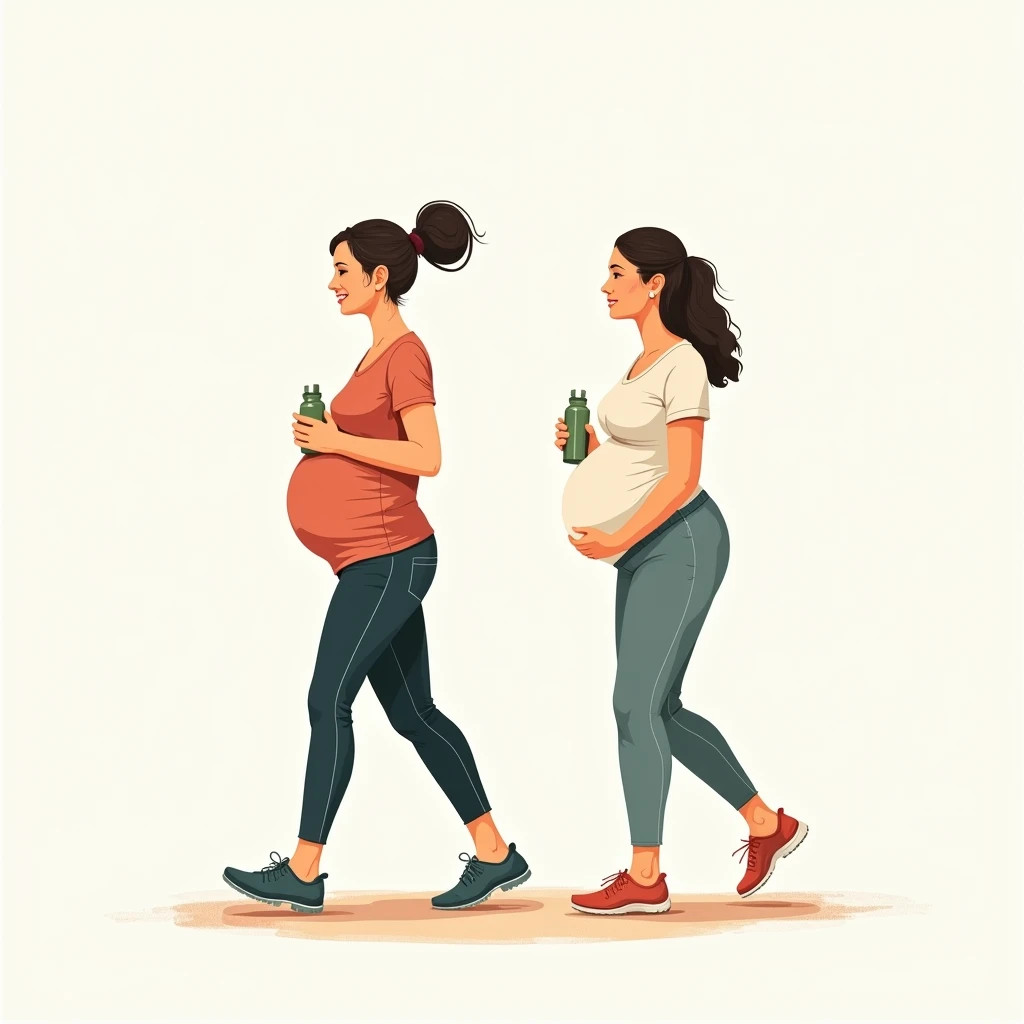
For many uncomplicated pregnancies, physical activity is encouraged and can be adapted as the body changes.
 Women's Health
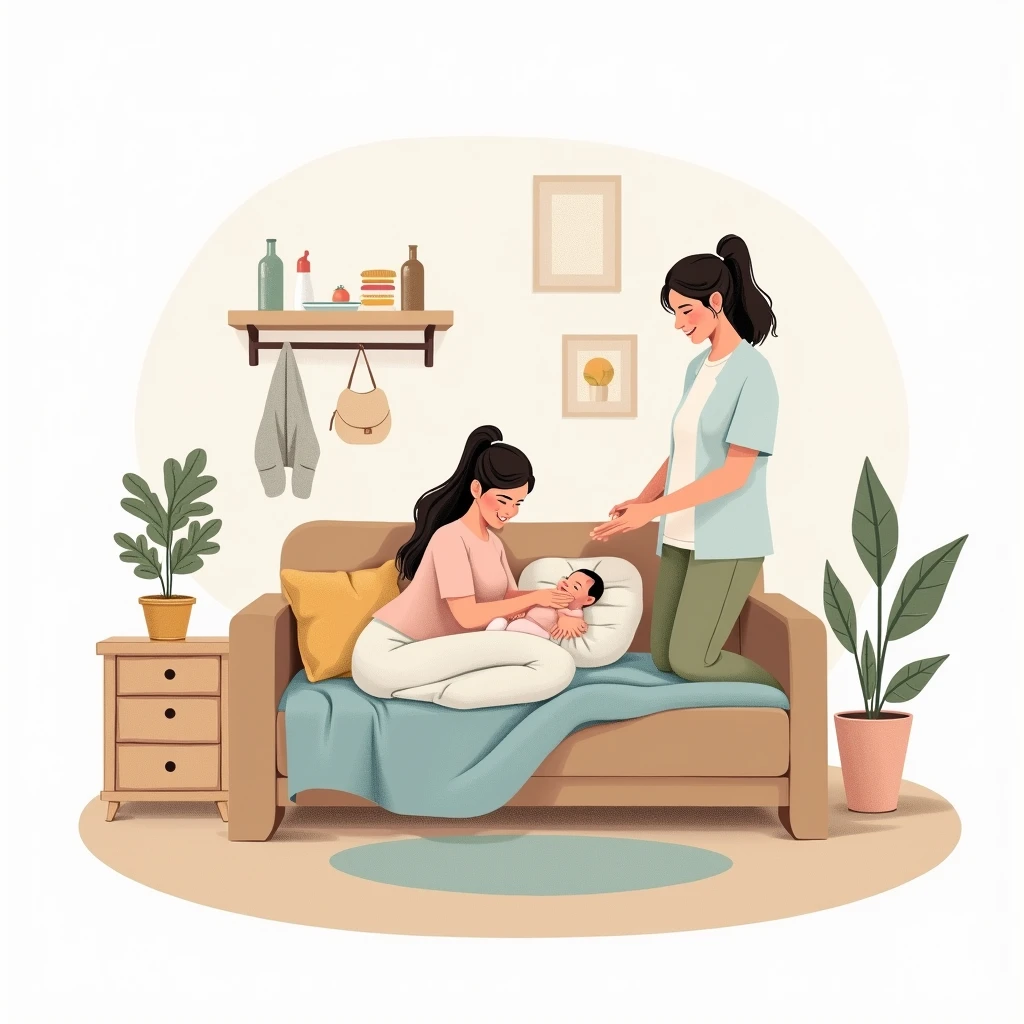
Healing, sleep, feeding, pelvic health and mood recover on different schedules after birth.
 Recovery
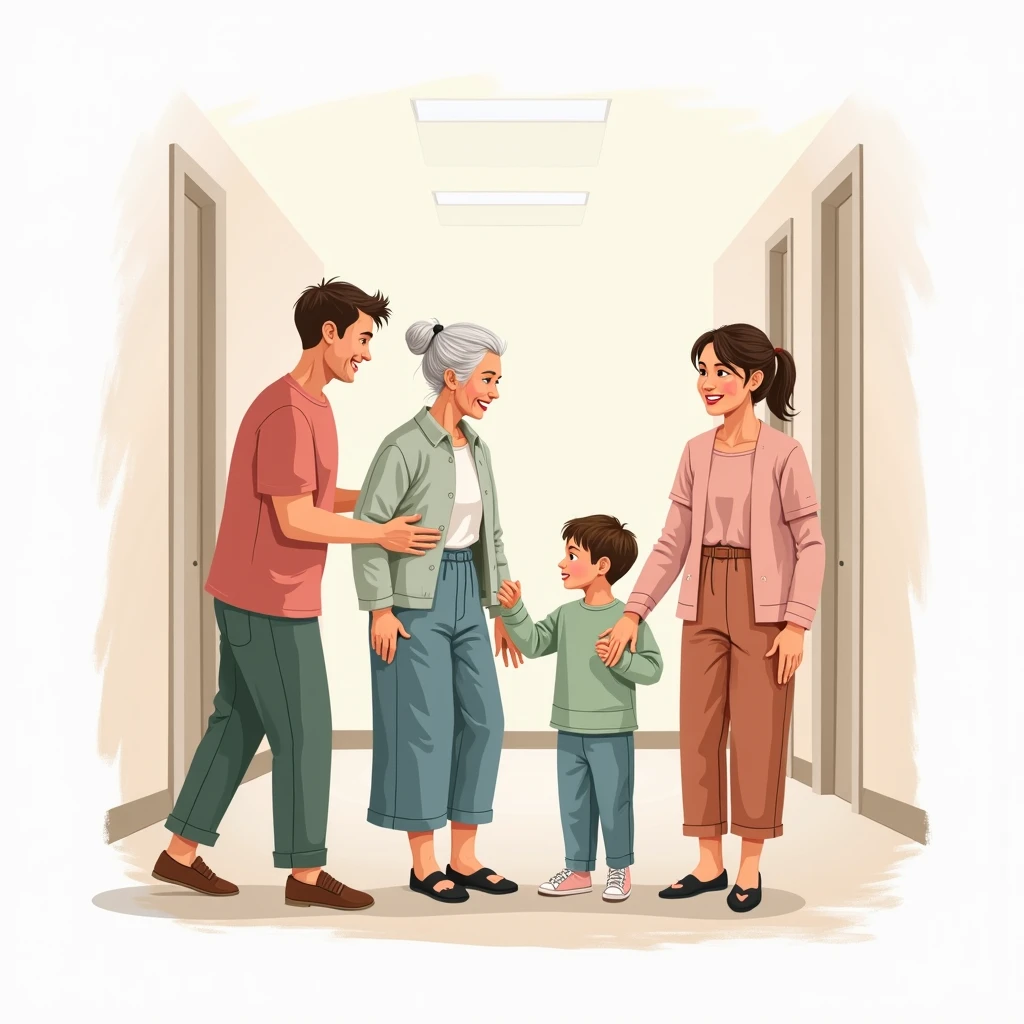
Discharge is a handoff, not proof that recovery is complete; medication, equipment and follow-up gaps are common.
 Recovery
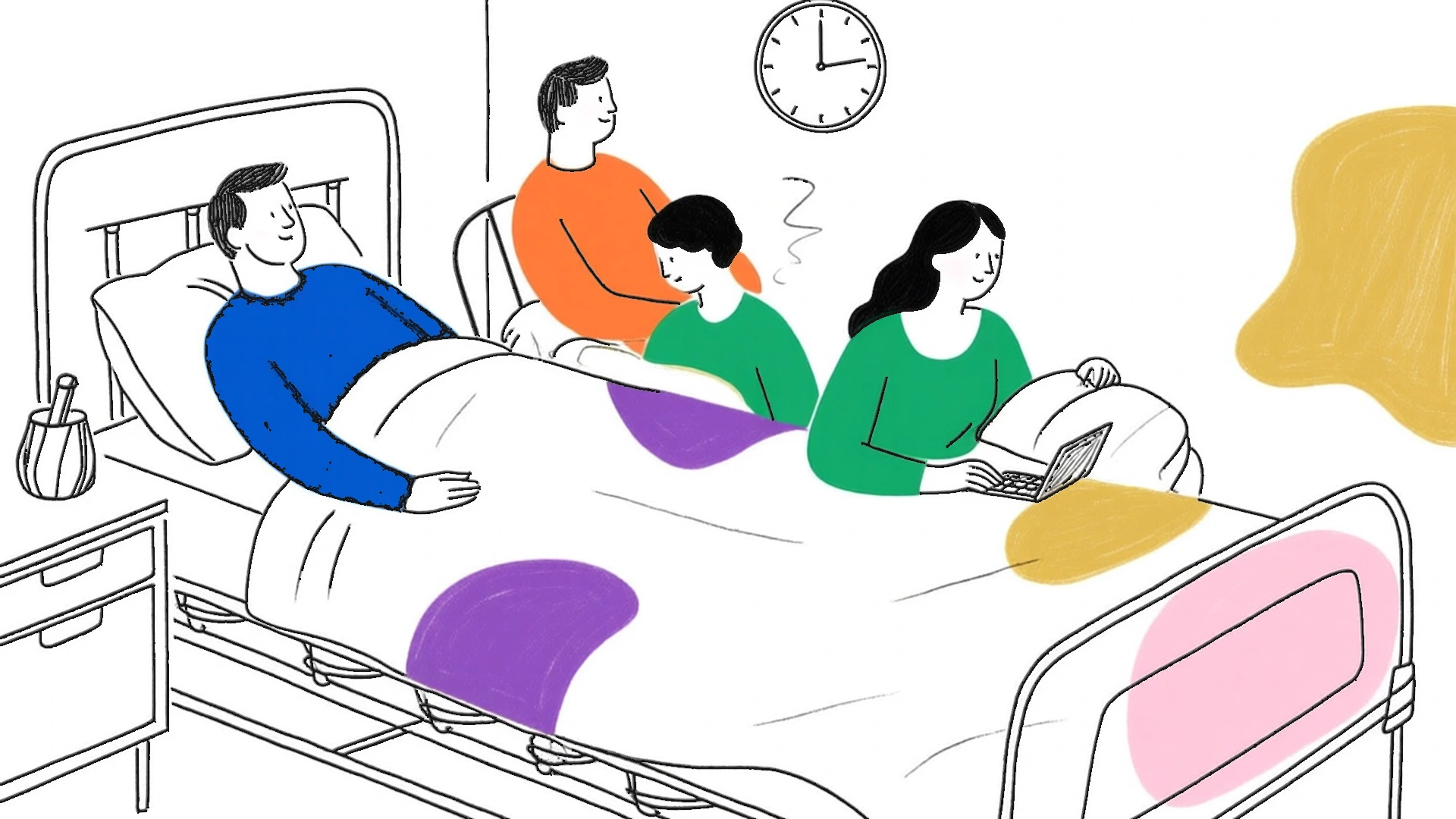
Bed rest, illness and poor intake can reduce strength and confidence surprisingly quickly, especially in older adults.
 Recovery
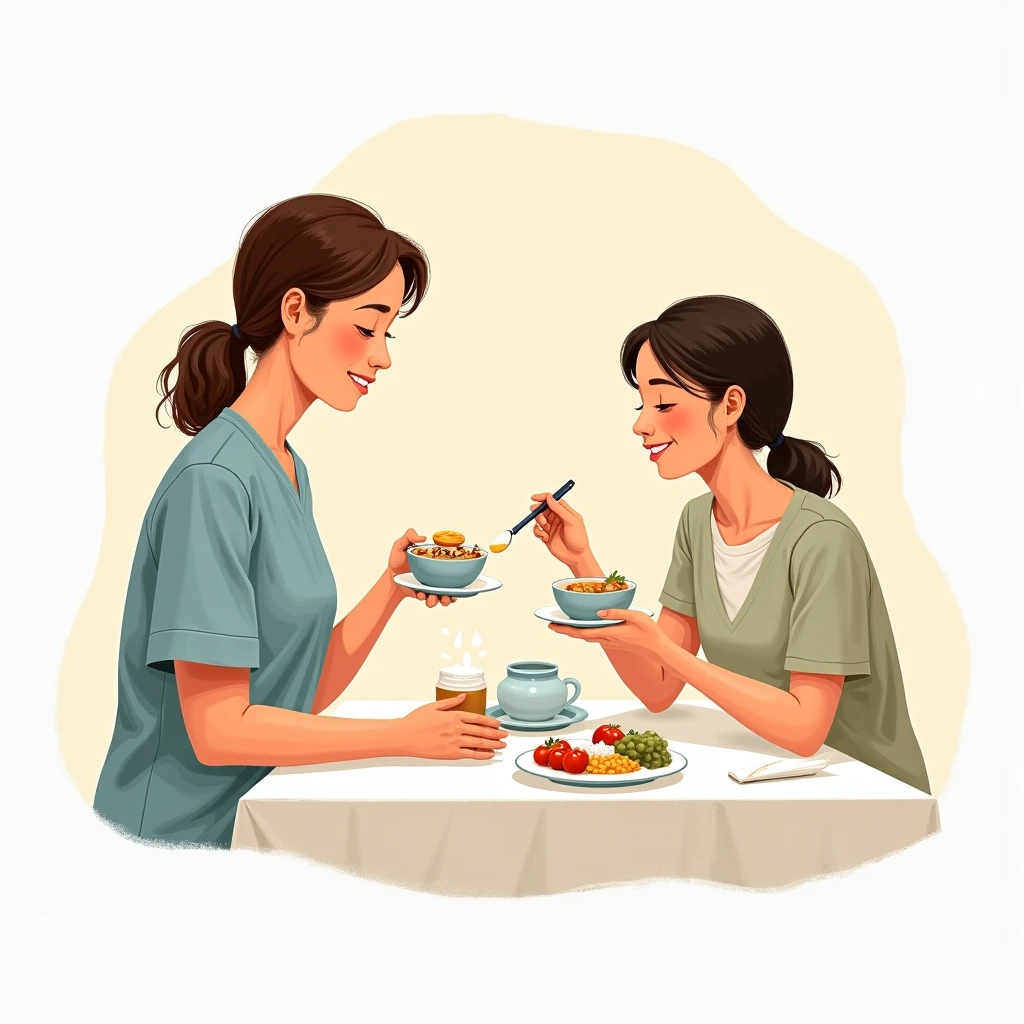
Healing needs energy and protein, while nausea, taste changes, swallowing problems and fatigue can make meals difficult.
 Recovery
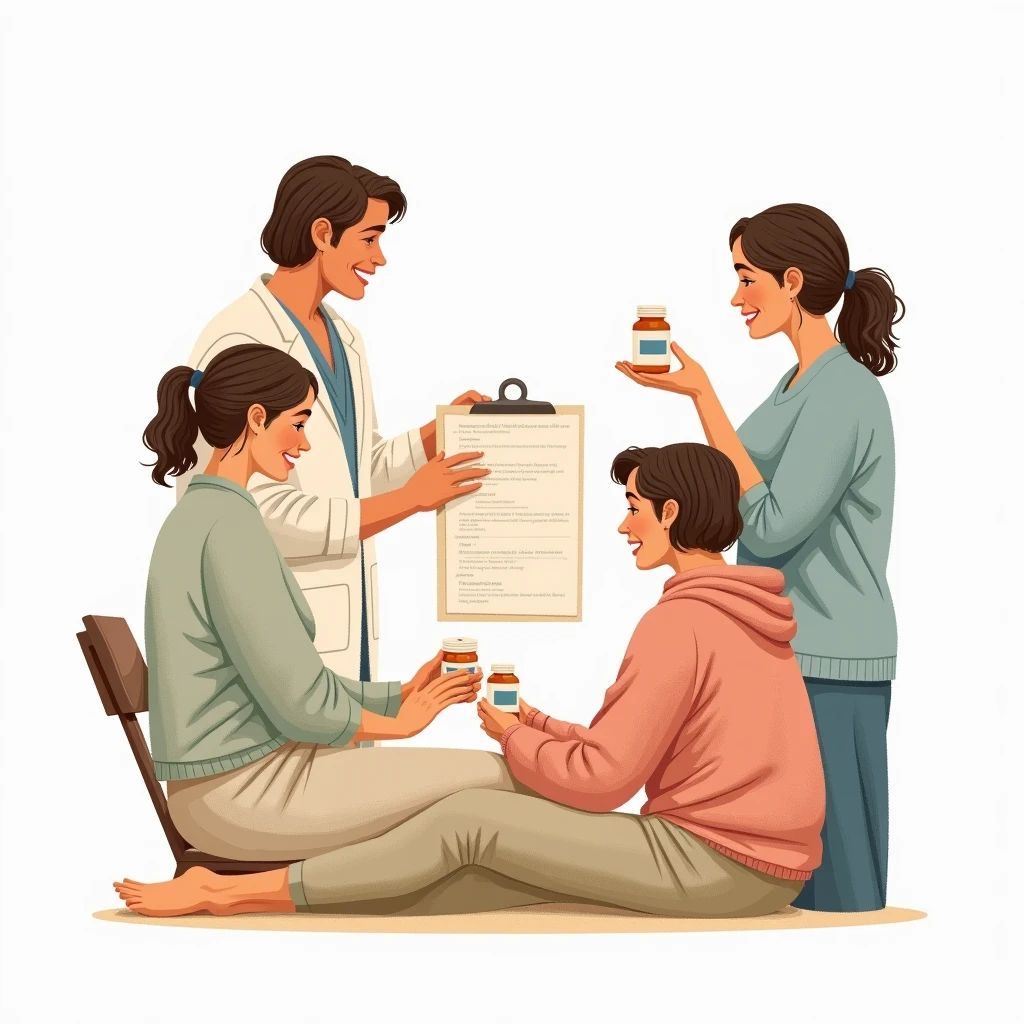
Hospital changes can leave duplicates, stopped drugs or unclear doses across several bottles and portals.
 Recovery
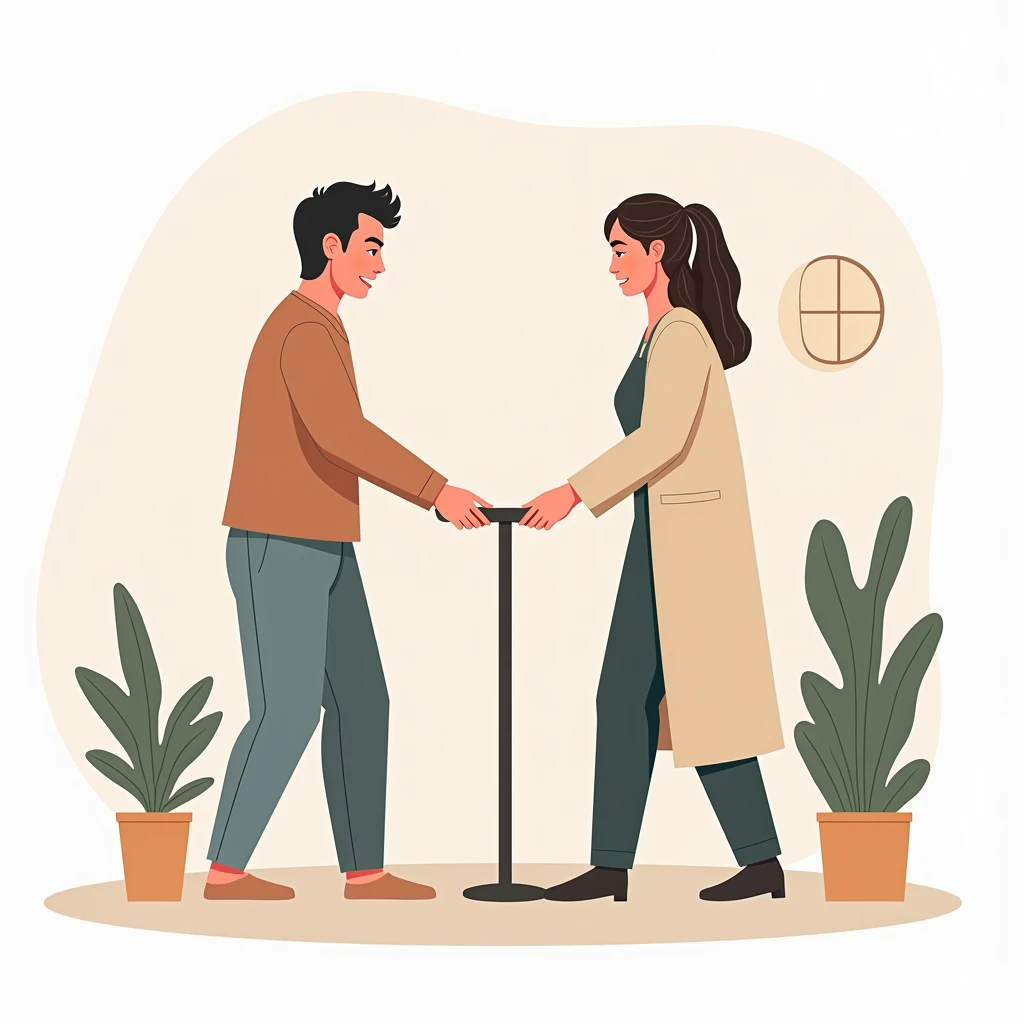
Physical therapy often targets movement and mobility, while occupational therapy focuses on daily activities and participation; the overlap is useful.
 Recovery
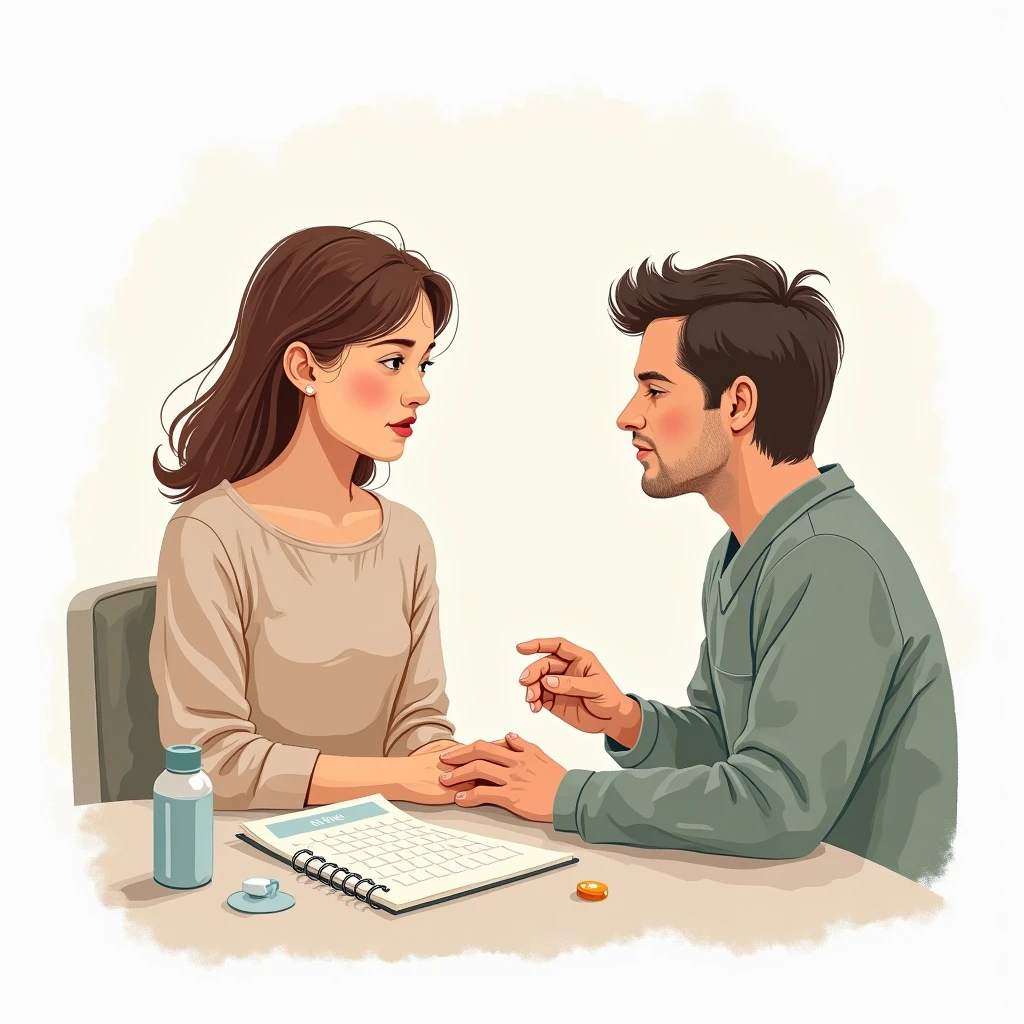
Buprenorphine, methadone and naltrexone are evidence-based treatments, not substitutions for a moral failure.
 Recovery
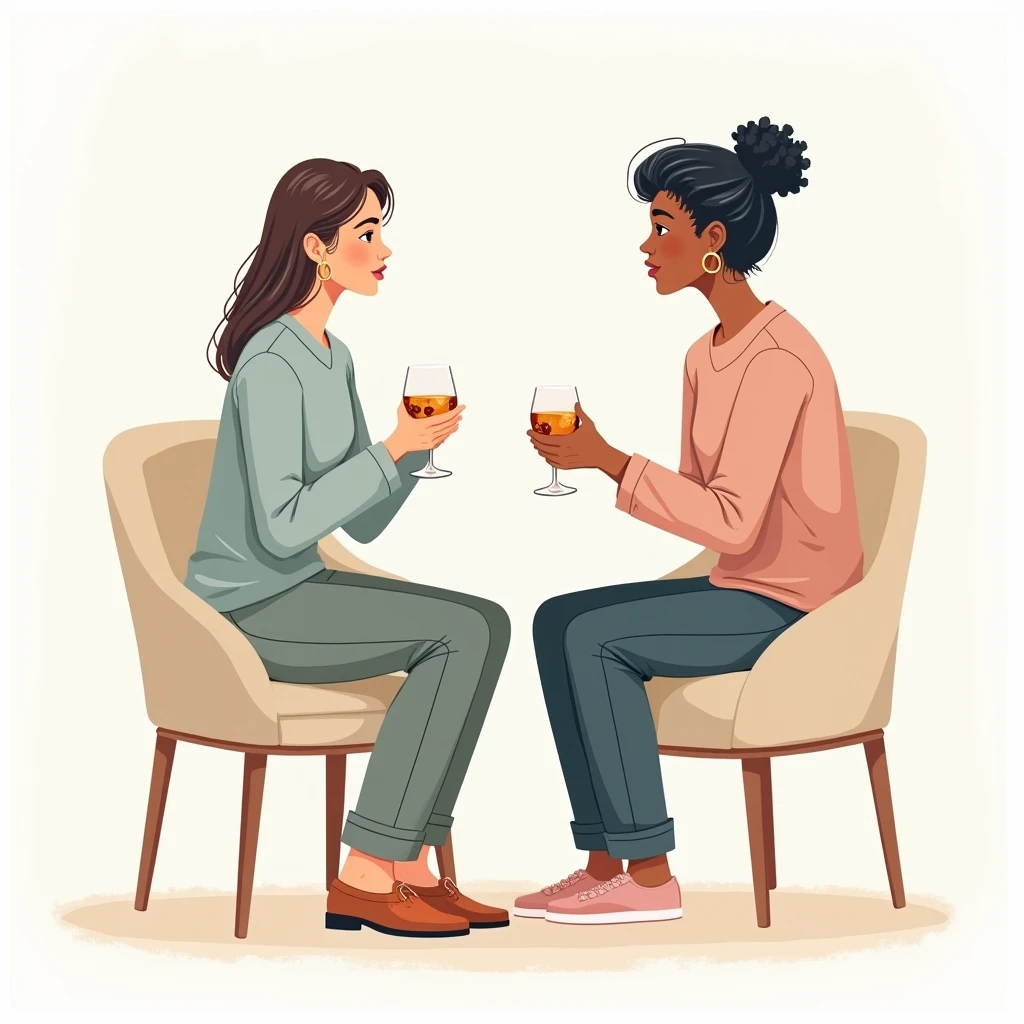
Stopping heavy regular alcohol use can cause seizures, delirium and dangerous changes in heart rate or blood pressure.
 Recovery
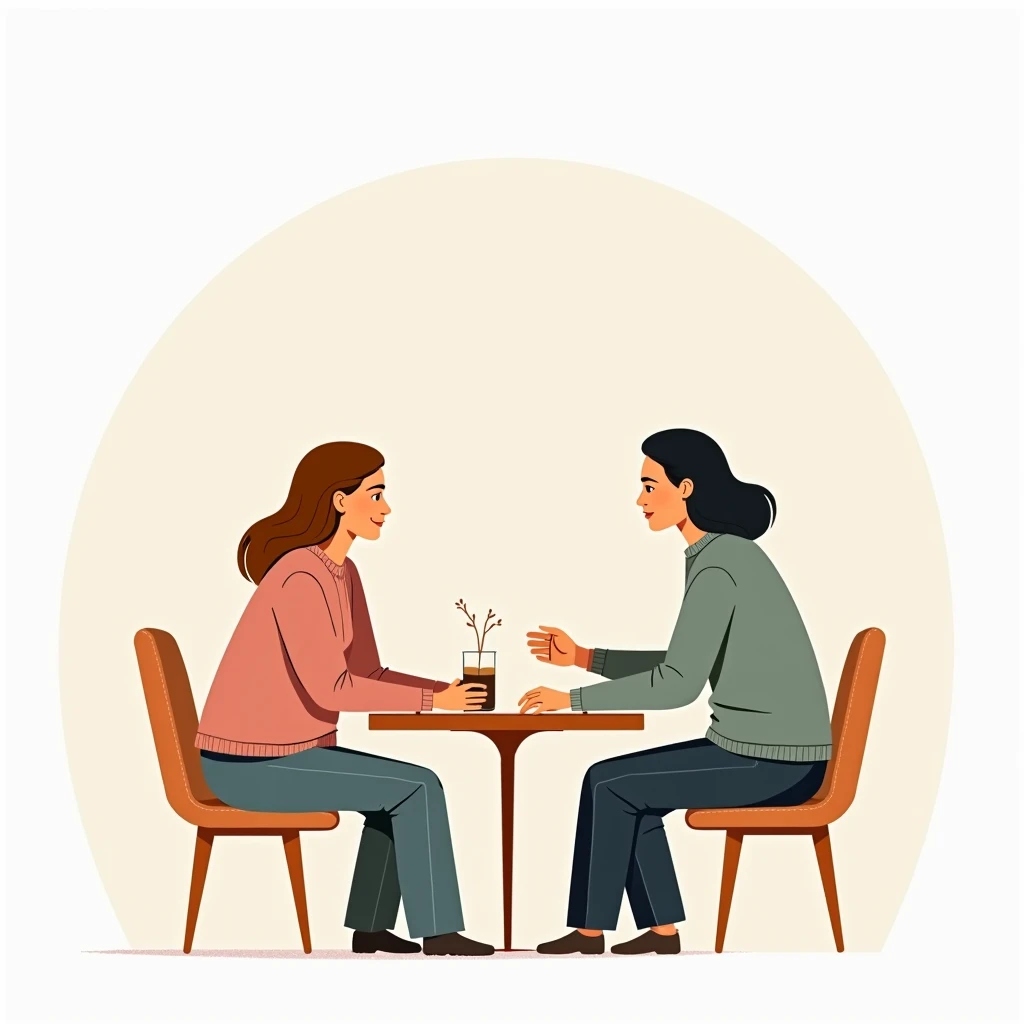
Recovery can include setbacks; shame and discharge from care can increase risk at the moment support matters most.
 Recovery
Peer workers can offer practical hope, navigation and connection grounded in lived experience.
 Eyes
EyesLooking away from a screen can reduce sustained near-focus and remind you to blink, but it will not fix every cause of eye strain.
 Eyes
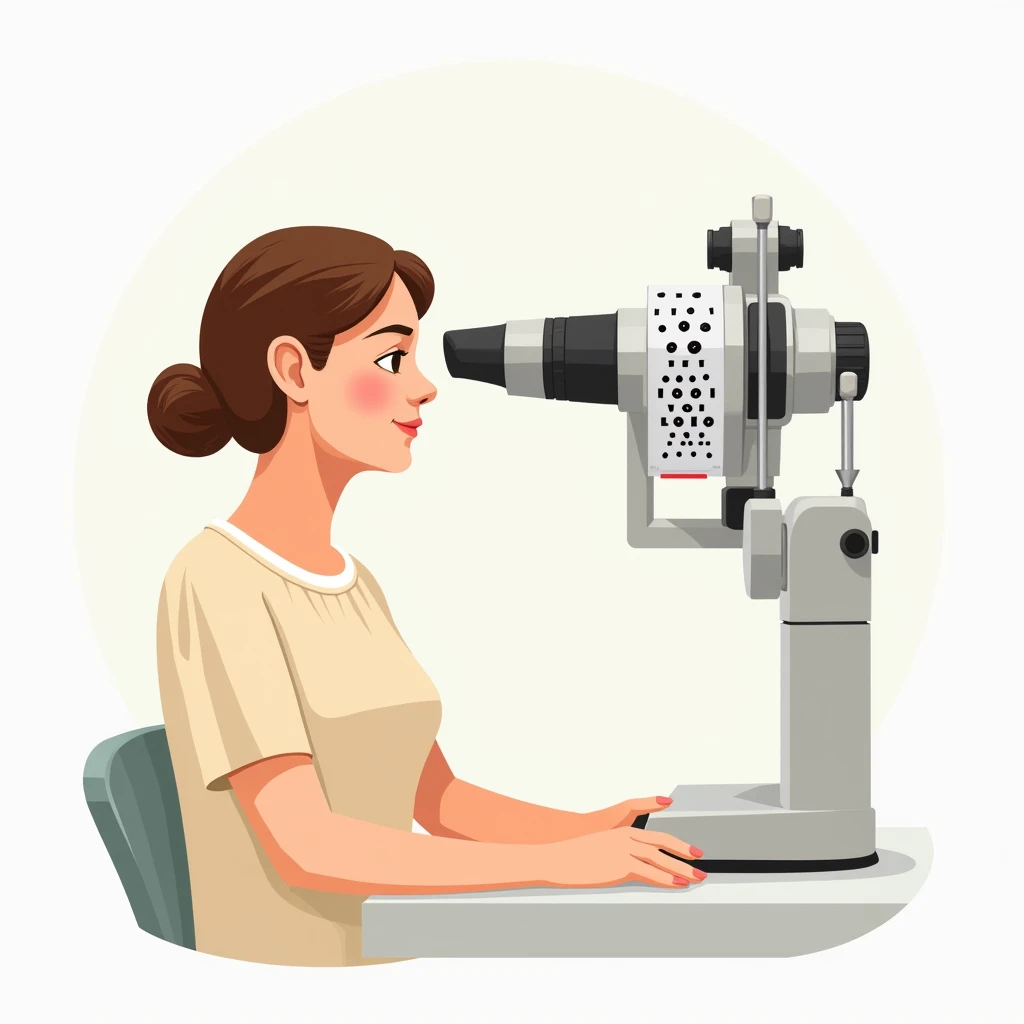
EyesSome common forms of glaucoma damage peripheral vision without early symptoms, which is why risk-based eye exams matter.
 Eyes
EyesTap, shower, pool and hot-tub water can carry organisms that cause serious corneal infection.
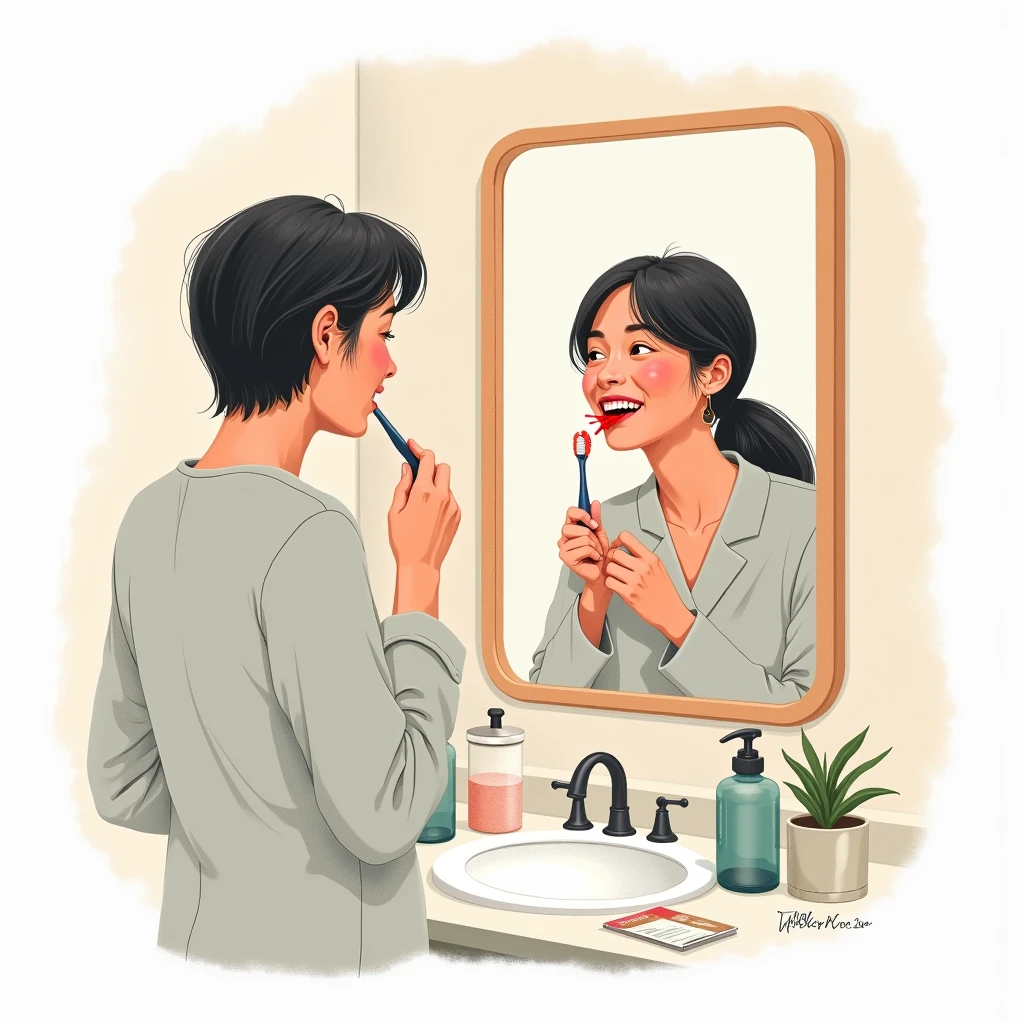 Dental
Bleeding gums often signal inflammation and should not be normalized or attacked with harder brushing.
 Dental
Fluoride strengthens enamel and helps prevent cavities; toothpaste, water and professional products deliver different amounts.
 Dental
Saliva protects teeth, supports swallowing and begins digestion; medicines and health conditions can reduce it.
 Skin
SkinBroad-spectrum sunscreen helps when used generously and reapplied, while shade, clothing and timing reduce exposure too.
 Skin
SkinEczema is an inflammatory condition, not poor hygiene; fragrance and over-washing can worsen a damaged barrier.
 Hair
HairShedding can follow illness, childbirth, stress, nutrition changes, medicines or genetic patterning.
 Heart
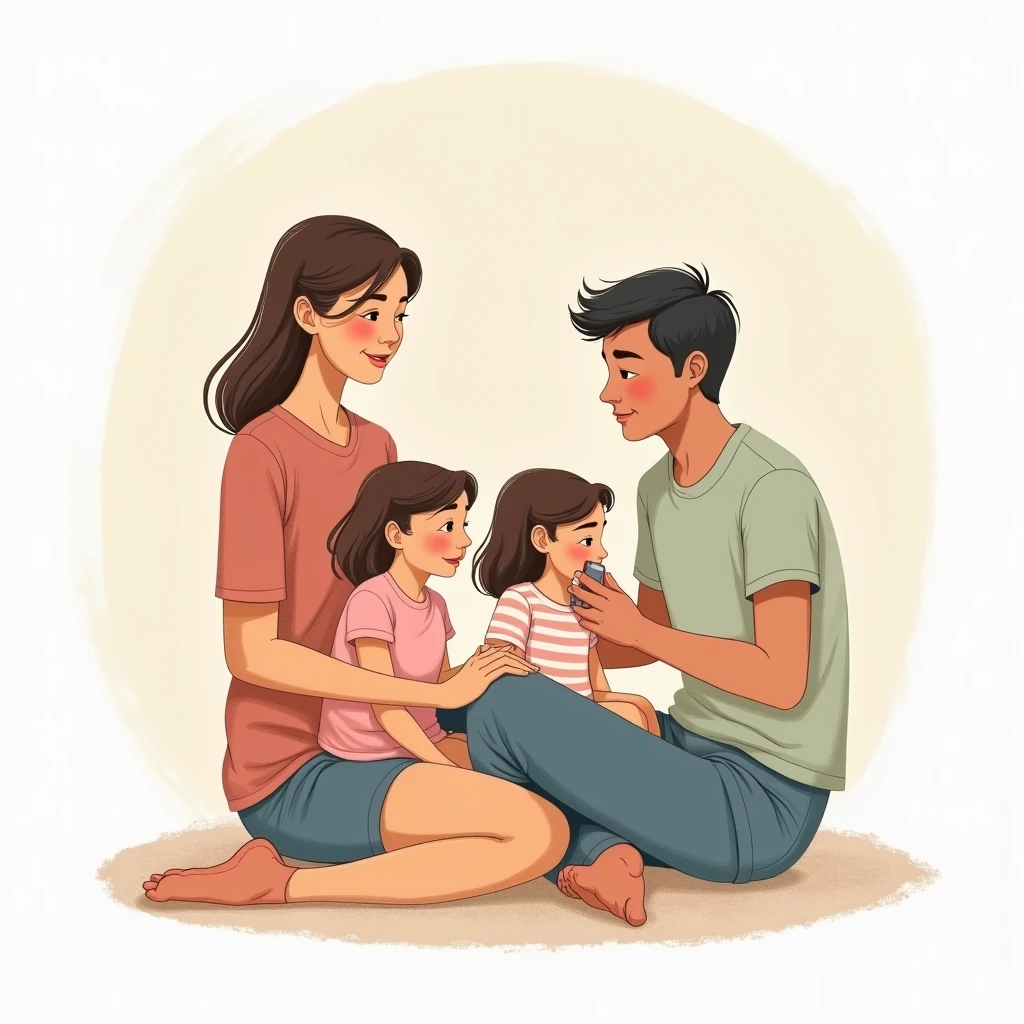
HeartPressure, breathlessness, nausea, sweating, unusual fatigue or jaw and back discomfort can all accompany a heart attack.
 Heart
HeartCardiac rehab combines supervised exercise, education and risk-factor support after heart events or procedures.
 Kidneys
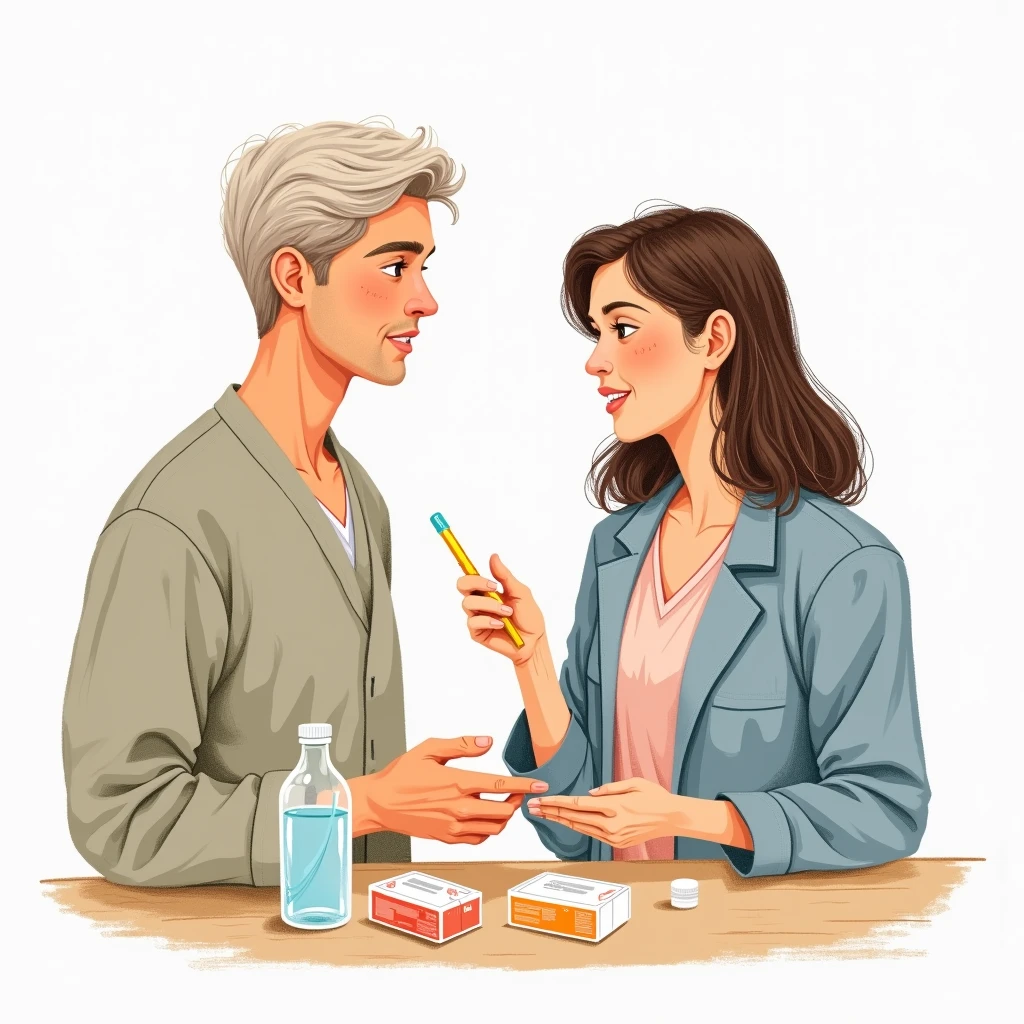
NSAID pain relievers can reduce kidney blood flow, especially with dehydration, kidney disease, heart failure or certain medicines.
 Kidneys
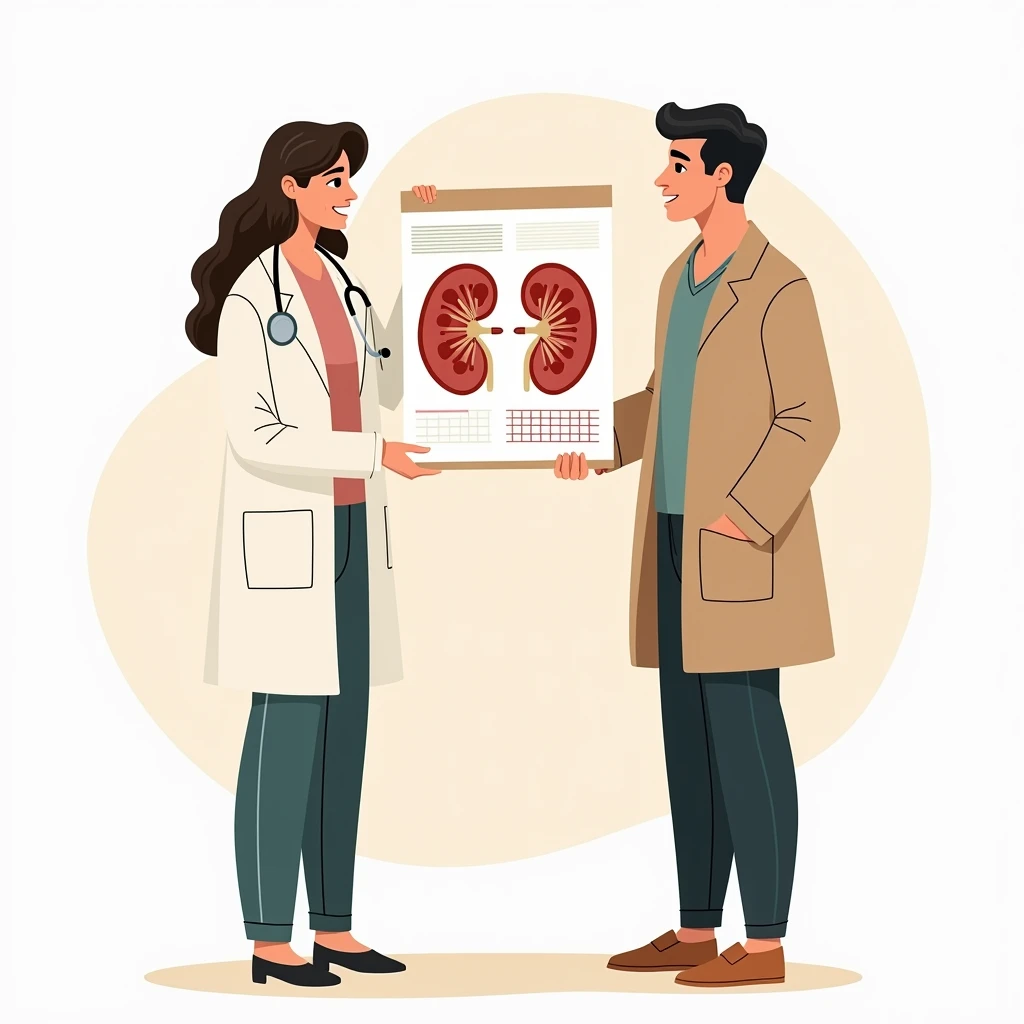
Estimated GFR describes filtering, while urine albumin can reveal damage even when filtration looks preserved.
 Liver
LiverMetabolic dysfunction-associated steatotic liver disease can be silent and is linked with diabetes and cardiovascular risk.
 Liver
LiverThe liver already transforms and clears many substances; some concentrated herbs and supplements can injure it.
Thoughtful conversations with clinicians, researchers and people rebuilding their health - without shortcuts or miracle language.
Audio stories are in development.
Short, expert-reviewed learning paths in food, movement, sleep and stress are coming to Livgently.
Build flexible meals without starting another restrictive plan.
COURSE IN DEVELOPMENTA practical foundation for walking, mobility and strength.
COURSE IN DEVELOPMENTEvidence-led tools for sleep, recovery and mental space.
COURSE IN DEVELOPMENT